

403
Sorry!!
Error! We're sorry, but the page you were looking for doesn't exist.
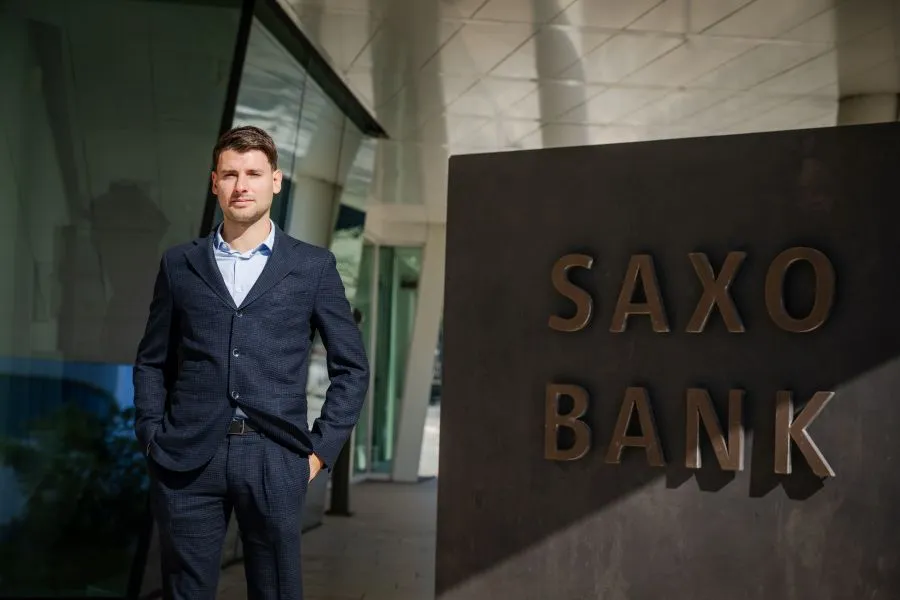
The Space Economy Is Coming Down To Earth Saxo Bank


(MENAFN- Mid-East Info) Space used to be easy to file under“science fiction, rockets and very expensive smoke.” That is changing. The space economy is becoming part of everyday infrastructure, from internet connections and weather data to defence, farming, shipping and navigation.
This matters now because the sector is no longer just about who can launch the most impressive rocket. It is about who can turn orbit into repeatable revenue. The global space economy reached USD 613 billion in 2024, according to Space Foundation, while the Satellite Industry Association reported fresh growth across satellite broadband, launches and ground equipment in 2025. According to several news outlets, SpaceX is preparing for a possible initial public offering (IPO), with a potential Nasdaq listing as early as June 2026. Nothing is certain until it happens, and private-company IPO plans can change faster than a launch window in bad weather. But the signal matters. A SpaceX listing would likely bring more investor attention to the wider space economy, from satellites and launch systems to connectivity, defence and ground infrastructure.
For investors who want to understand how IPOs work before any potential SpaceX listing, Saxo's guide to investing in IPO stocks offers a useful starting point: how the process works, what to watch, and why newly listed companies can be exciting but risky. That is the reason behind Saxo's new space economy shortlist. It is not a prediction machine, and it is not a list of“buy this now before Mars gets crowded.” It is a map. The goal is to help investors understand where listed companies sit across the value chain, from satellite operators to defence firms and the less glamorous suppliers that make the whole system work.
The useful space economy is not always the shiny bit
The public story of space often starts with rockets. Fair enough. Rockets are dramatic, loud and hard to ignore. But for investors, the more useful story often starts after launch. Satellites help planes stay connected, ships navigate, farmers monitor crops, insurers assess damage, governments secure communications and consumers use location services without thinking about them. Space is quietly becoming a utility layer for the modern economy. Not quite electricity, but closer to“useful plumbing in the sky” than many people realise. That is why the investment opportunity is broader than pure space companies. Some firms operate satellites. Some build rockets or spacecraft. Others provide aerospace systems, defence technology, sensors, chips, antennas, ground stations, software or connectivity services. The shortlist groups this world into practical buckets: launch and space operators, satellite, data and space intelligence companies, defence and aerospace leaders, and space picks and shovels, connectivity and communications. The last bucket may sound less romantic, but investing is not a romance contest. Often, the picks and shovels are where the steadier business models live. Why the theme is timely The timing is not only about long-term forecasts. It is also about what is happening now. Satellite broadband is growing quickly as companies try to connect remote areas, aircraft, ships and military users. The Satellite Industry Association said global satellite broadband subscribers rose strongly in 2025, while satellite services revenue reached USD 105 billion. That shows the sector is moving from“interesting technology” to customer demand. In Europe, the story has an extra layer: sovereignty. The European Union's IRIS2 programme aims to provide secure satellite communications for governments, businesses and citizens. In plain English, Europe wants more control over critical communications infrastructure. Recent updates from SES and Eutelsat show that demand is not only about consumer internet. It is also about aviation, military, maritime and secure government use. For investors, this changes the lens. Space is not one single theme. It overlaps with defence, telecoms, transport, cybersecurity, industrial supply chains and artificial intelligence. That creates both opportunity and confusion. A shortlist helps cut through the fog, which is helpful because fog is not an investment process. What investors can actually watch The most important question is not whether space is exciting. It is whether companies can earn attractive returns from it. That means watching contracts, backlog, margins and capital spending. Backlog is work already contracted but not yet delivered. It can show whether demand is becoming visible. Margins show whether growth is profitable, not just impressive in a slide deck. Capital spending matters because space infrastructure is expensive, and expensive dreams can still send invoices. Investors can also watch customer mix. Revenue from governments, airlines, defence agencies, telecom operators and maritime clients may be more durable than revenue built only on speculative future demand. The best signal is not a big vision statement. It is a signed customer paying real money. Revolutionary, almost suspiciously practical. The shortlist can help here by separating the theme into different business models. A satellite operator faces different risks from a defence contractor. A chip supplier has different drivers from a launch company. A data specialist depends on different customers from an aircraft connectivity provider. One theme, many moving parts. Risks: orbit is useful, but gravity still exists The first risk is valuation. Exciting themes often attract high expectations. When expectations rise faster than earnings, share prices can become fragile. Investors should watch whether companies are still delivering revenue growth, cash flow and margins, not only attractive stories. The second risk is execution. Space projects face delays, technical problems, regulation and heavy upfront costs. Launch schedules can slip. Satellites can fail. Government budgets can shift. In this sector, patience is useful, but blind patience is just a subscription to disappointment. The third risk is competition. Starlink has changed the satellite-connectivity market, and other players are trying to catch up. Some listed companies may benefit from the growth of the ecosystem, while others may see pricing pressure or older businesses decline. Eutelsat's recent shift away from legacy video and towards low Earth orbit connectivity is a good example of how the industry is changing in real time. Investor playbook
This matters now because the sector is no longer just about who can launch the most impressive rocket. It is about who can turn orbit into repeatable revenue. The global space economy reached USD 613 billion in 2024, according to Space Foundation, while the Satellite Industry Association reported fresh growth across satellite broadband, launches and ground equipment in 2025. According to several news outlets, SpaceX is preparing for a possible initial public offering (IPO), with a potential Nasdaq listing as early as June 2026. Nothing is certain until it happens, and private-company IPO plans can change faster than a launch window in bad weather. But the signal matters. A SpaceX listing would likely bring more investor attention to the wider space economy, from satellites and launch systems to connectivity, defence and ground infrastructure.
For investors who want to understand how IPOs work before any potential SpaceX listing, Saxo's guide to investing in IPO stocks offers a useful starting point: how the process works, what to watch, and why newly listed companies can be exciting but risky. That is the reason behind Saxo's new space economy shortlist. It is not a prediction machine, and it is not a list of“buy this now before Mars gets crowded.” It is a map. The goal is to help investors understand where listed companies sit across the value chain, from satellite operators to defence firms and the less glamorous suppliers that make the whole system work.
The useful space economy is not always the shiny bit
The public story of space often starts with rockets. Fair enough. Rockets are dramatic, loud and hard to ignore. But for investors, the more useful story often starts after launch. Satellites help planes stay connected, ships navigate, farmers monitor crops, insurers assess damage, governments secure communications and consumers use location services without thinking about them. Space is quietly becoming a utility layer for the modern economy. Not quite electricity, but closer to“useful plumbing in the sky” than many people realise. That is why the investment opportunity is broader than pure space companies. Some firms operate satellites. Some build rockets or spacecraft. Others provide aerospace systems, defence technology, sensors, chips, antennas, ground stations, software or connectivity services. The shortlist groups this world into practical buckets: launch and space operators, satellite, data and space intelligence companies, defence and aerospace leaders, and space picks and shovels, connectivity and communications. The last bucket may sound less romantic, but investing is not a romance contest. Often, the picks and shovels are where the steadier business models live. Why the theme is timely The timing is not only about long-term forecasts. It is also about what is happening now. Satellite broadband is growing quickly as companies try to connect remote areas, aircraft, ships and military users. The Satellite Industry Association said global satellite broadband subscribers rose strongly in 2025, while satellite services revenue reached USD 105 billion. That shows the sector is moving from“interesting technology” to customer demand. In Europe, the story has an extra layer: sovereignty. The European Union's IRIS2 programme aims to provide secure satellite communications for governments, businesses and citizens. In plain English, Europe wants more control over critical communications infrastructure. Recent updates from SES and Eutelsat show that demand is not only about consumer internet. It is also about aviation, military, maritime and secure government use. For investors, this changes the lens. Space is not one single theme. It overlaps with defence, telecoms, transport, cybersecurity, industrial supply chains and artificial intelligence. That creates both opportunity and confusion. A shortlist helps cut through the fog, which is helpful because fog is not an investment process. What investors can actually watch The most important question is not whether space is exciting. It is whether companies can earn attractive returns from it. That means watching contracts, backlog, margins and capital spending. Backlog is work already contracted but not yet delivered. It can show whether demand is becoming visible. Margins show whether growth is profitable, not just impressive in a slide deck. Capital spending matters because space infrastructure is expensive, and expensive dreams can still send invoices. Investors can also watch customer mix. Revenue from governments, airlines, defence agencies, telecom operators and maritime clients may be more durable than revenue built only on speculative future demand. The best signal is not a big vision statement. It is a signed customer paying real money. Revolutionary, almost suspiciously practical. The shortlist can help here by separating the theme into different business models. A satellite operator faces different risks from a defence contractor. A chip supplier has different drivers from a launch company. A data specialist depends on different customers from an aircraft connectivity provider. One theme, many moving parts. Risks: orbit is useful, but gravity still exists The first risk is valuation. Exciting themes often attract high expectations. When expectations rise faster than earnings, share prices can become fragile. Investors should watch whether companies are still delivering revenue growth, cash flow and margins, not only attractive stories. The second risk is execution. Space projects face delays, technical problems, regulation and heavy upfront costs. Launch schedules can slip. Satellites can fail. Government budgets can shift. In this sector, patience is useful, but blind patience is just a subscription to disappointment. The third risk is competition. Starlink has changed the satellite-connectivity market, and other players are trying to catch up. Some listed companies may benefit from the growth of the ecosystem, while others may see pricing pressure or older businesses decline. Eutelsat's recent shift away from legacy video and towards low Earth orbit connectivity is a good example of how the industry is changing in real time. Investor playbook
-
Use the shortlist as a map of the value chain, not as a shopping list.
Compare business models: operators, suppliers, defence firms and data companies carry different risks.
Watch contracts, backlog, margins and capital spending before reacting to big headlines.
Keep position size and diversification in mind, because theme investing can get crowded quickly.

Legal Disclaimer:
MENAFN provides the
information “as is” without warranty of any kind. We do not accept any
responsibility or liability for the accuracy, content, images, videos,
licenses, completeness, legality, or reliability of the information
contained in this article. If you have any complaints or copyright issues
related to this article, kindly contact the provider above.
Comments
No comment