



403
Sorry!!
Error! We're sorry, but the page you were looking for doesn't exist.
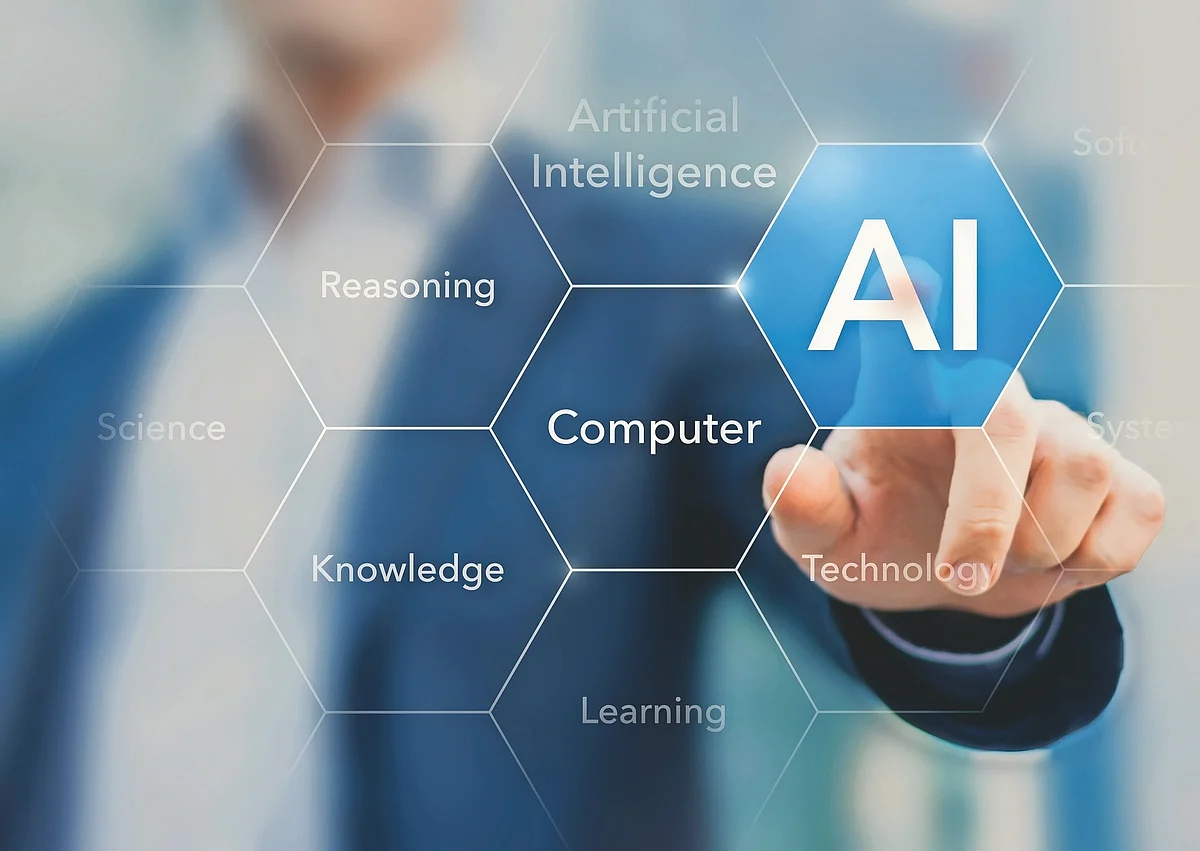
Most UAE Residents Use AI At Work Mid-Career Professionals Lead The Shift
(MENAFN- Khaleej Times) A new study shows that UAE professionals aged 35-44 are leading AI adoption and reporting the highest productivity gains
- By: Nandini Sircar
As artificial intelligence (AI) tools become increasingly embedded in workplaces across the UAE, a new study finds that professionals are leading adoption, with nearly two in three residents reporting higher productivity.
The findings are based on the SixthFactor UAE AI Attitudes Study 2026, a survey conducted in Q1 2026 among 1,046 UAE residents.
Recommended For YouFrom corporate offices to hybrid teams across the Emirates, AI is quietly reshaping how work gets done, speeding up tasks, supporting decision-making and reducing workload pressures.
Stay up to date with the latest news. Follow KT on WhatsApp Channels
But the shift is not being led by newcomers to the workforce. Instead, it is the country's mid-career professionals, those forming the backbone of the UAE's corporate ecosystem, who are driving confidence in AI's value.
Senior workforce drives AI confidenceThe study finds that 65.7 per cent of UAE residents believe AI tools increase their day-to-day productivit, underscoring how quickly digital adoption has moved from novelty to necessity.
The strongest conviction comes from professionals aged 35 to 44, with 70.9 per cent reporting higher productivity through AI use. The 25 to 34 age group follows closely at 68.2 per cent.
Analysts say this trend reflects real workplace experience rather than theoretical enthusiasm, particularly among seasoned professionals who are actively integrating AI into daily workflows.
Himanshu Vashishtha, Founder and Global CEO of SixthFactor, said:
“This study overturns a common assumption: that AI adoption is led by the young and resisted by the experienced. The 35 to 44 cohort is this country's professional engine. Their conviction that AI makes them more productive is not an aspiration; it is a lived, daily reality. For any organisation still debating whether AI delivers value, its own senior workforce has already answered that question.”
HR focus shifts from adoption to effective useWhile adoption is rising, experts warn that organisations must now focus on how AI is used, not just whether it is available.
Aws Ismail, General Manager at Marc Ellis, said workplace adoption often depends on education, trust and continuous training rather than initial enthusiasm.
“I would say the most important thing HR teams can do to better support employees in embracing the use of AI correctly and effectively is making them firstly understand that AI isn't here to replace anyone; it's here to enhance their productivity and allow them to get more done."
Ismael shared his experience, noting that he witnessed this firsthand with the adoption of AI in their office. He said there was initially strong resistance, but through consistent training, upskilling, and case studies, the team eventually came on board.
Ismael also said that preventing data leaks is also an important issue, adding that he advises his team to anonymise any content they upload to help minimise the risk.
He added that AI should remain a support tool rather than a replacement for human judgement, stressing the importance of prompt skills and responsible use.
Beyond adoption, experts stress that the bigger challenge for organisations is redefining performance measurement in an AI-augmented environment.
Ramprakash Ramamoorthy, director of AI research at Zoho Corp., said many organisations are still treating AI as a plug-in tool rather than a structural shift in work design.
“The risk of employees feeling overwhelmed by AI is real, and it largely comes down to how organisations introduce it. Most treat AI adoption as a tooling problem: deploy the product, run a demo, move on. That is orientation, not support teams need to reframe their role here. They are responsible for building the capability to use them well."
He says that the goal is to build confident precision, meaning that employees can use AI not carelessly or fearfully, but with a clear understanding of what it can and cannot do.
He explains what matters now is the quality of human judgement applied on top of AI output.
“The employee who catches a hallucinated figure in an AI-generated report before it reaches a client is performing exceptionally well. That needs to be visible and valued in how performance is defined and measured,” added Ramamoorthy.
- Jobs in UAE: AI-skilled employees earn more, but face tighter scrutiny from employers UAE investors lead global shift to AI tools for managing money, says survey

Legal Disclaimer:
MENAFN provides the
information “as is” without warranty of any kind. We do not accept
any responsibility or liability for the accuracy, content, images,
videos, licenses, completeness, legality, or reliability of the information
contained in this article. If you have any complaints or copyright
issues related to this article, kindly contact the provider above.
Most popular stories
Market Research

More Story







Comments
No comment