




403
Sorry!!
Error! We're sorry, but the page you were looking for doesn't exist.
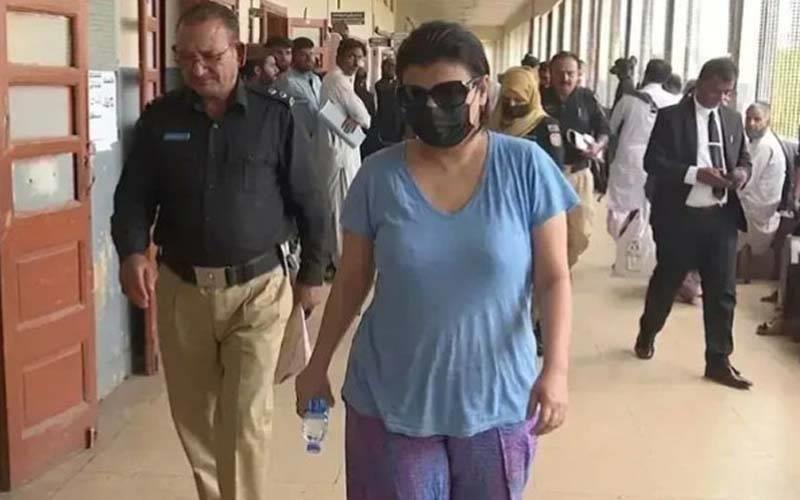
Beyond The Arrest: Why The Anmol Pinky Case Has Triggered Public Debate
(MENAFN- Tribal News Network) Whenever a high-profile figure is arrested in Pakistan, public attention does not remain limited to the case or allegations alone. People also focus on how the accused is treated during the arrest.
This is why the recent case of Anmol alias Pinky, arrested in Karachi, has become a major topic of discussion on social media and among the public.
People questioned why, despite facing serious allegations, she was not handcuffed like ordinary suspects and why a comparatively softer attitude was observed during her court appearance.
Anmol alias Pinky is said to have links with the modeling and fashion industry. According to reports, during this time she met a police officer, Rana Nasir, through whom she allegedly became connected to a drug network.
Later, allegations also surfaced that she had established her own network, allegedly spread across Lahore, Karachi, and Rawalpindi, and was involved in drug trafficking through various channels.
Also Read: One Killed, Two Abducted as Land Feud Turns Violent in Hangu
At the same time, claims also emerged that in the past she had accused police officials of bribery and corruption. However, all these matters are still under investigation, and the final decision rests with the court.
In Pakistan, there is a common perception that poor or middle-class individuals are often brought before the media in handcuffs and treated harshly at the time of arrest, whereas influential or famous personalities are dealt with more softly.
This difference creates a sense among the public of“VIP culture” and unequal justice.
This debate is not new. One major example is the case of model Ayyan Ali, who was arrested in 2015 at Islamabad Airport with a large amount of foreign currency. The case remained the center of media and public attention for a long time. The style of her court appearances and the media coverage further strengthened the perception that fame and influence can affect legal proceedings.
The case of Anmol alias Pinky has once again revived the same debate: why was she not handcuffed at the time of arrest, and why did the treatment during her appearance seem different?
This raises the broader question of whether justice is truly equal for everyone or changes according to circumstances.
According to legal experts, it is not mandatory to handcuff every arrested person. The decision depends on circumstances, security risks, and the possibility of escape.
In the case of female suspects, humanitarian considerations are also often taken into account. However, the real issue is not the law itself but its implementation and public perception.
Media coverage also amplifies this perception, where instead of focusing on the details of the case, greater emphasis is placed on the arrest visuals, style, and personality of the accused. As a result, the actual legal debate takes a back seat while public opinion moves in an emotional direction.
The real question is not about handcuffs, but about equal standards of justice. When ordinary citizens and influential personalities appear to be treated differently, public trust is inevitably affected.
This is why such cases do not remain merely judicial matters; they evolve into broader social questions about whether the law in Pakistan is truly equal for everyone.
Note: This article reflects the personal opinion of the writer, and it is not necessary for the institution to agree with it.

Legal Disclaimer:
MENAFN provides the
information “as is” without warranty of any kind. We do not accept
any responsibility or liability for the accuracy, content, images,
videos, licenses, completeness, legality, or reliability of the information
contained in this article. If you have any complaints or copyright
issues related to this article, kindly contact the provider above.
Most popular stories
Market Research

More Story







Comments
No comment