






403
Sorry!!
Error! We're sorry, but the page you were looking for doesn't exist.
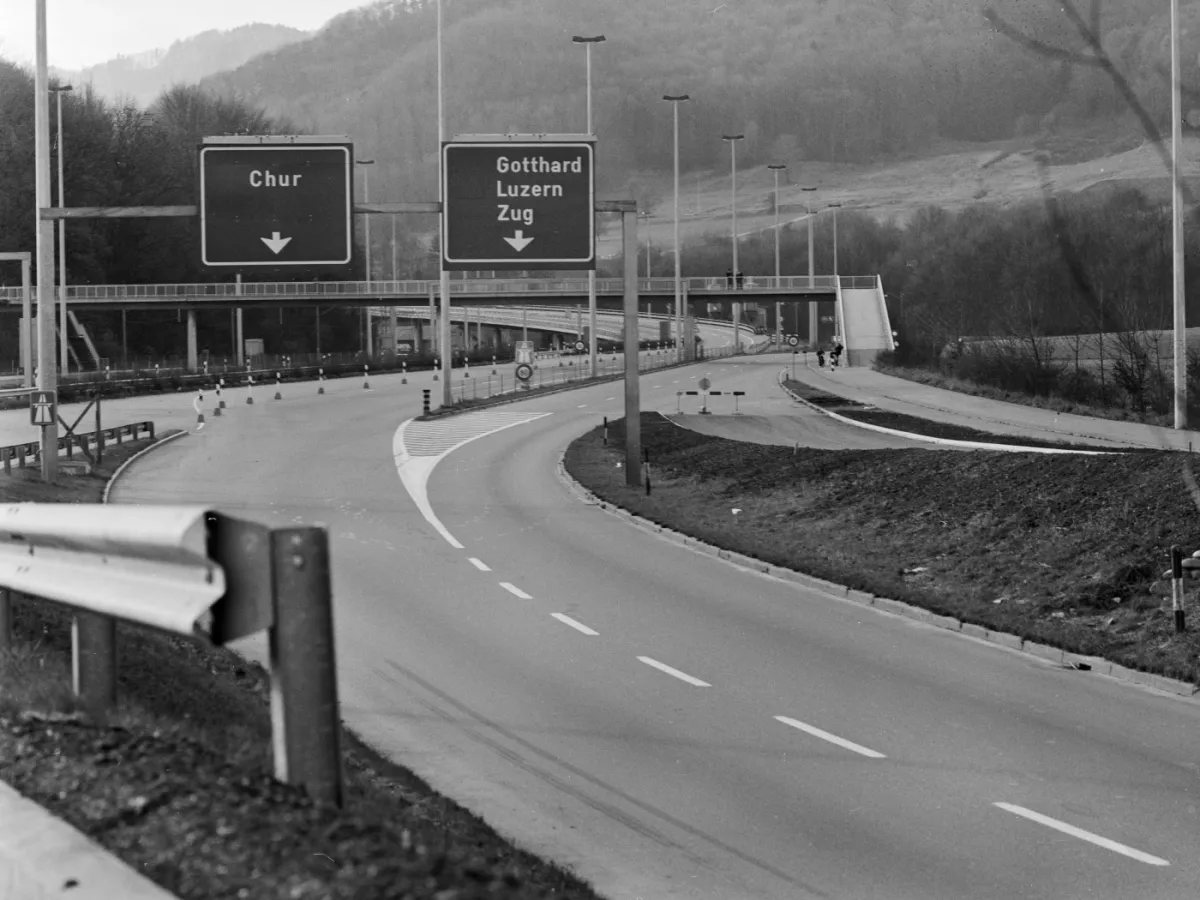
No Recession In Switzerland Despite Oil Crisis, Says Study
Alternative Headline:
(MENAFN- Swissinfo)
Unlike during the 1973 oil crisis, Switzerland is not threatened by a recession despite rising energy prices and the tense situation in the Middle East. Even if oil prices remain high, the economy should continue to grow in 2026.
Select your language
-
Deutsch
de
Raiffeisen sieht trotz Ölkrise keine Rezession in der Schweiz
Original
Read more: Raiffeisen sieht trotz Ölkrise keine Rezession in der Sc
Raiffeisen economists expect real growth in gross domestic product (GDP) of 0.5% to 1% in 2026, depending on the scenario.“Despite the current oil crisis, the Swiss economy remains on course for growth,” said chief economist Fredy Hasenmaile in a study published on Tuesday.
According to the study, the current energy crisis is in many ways reminiscent of the oil crises of the 1970s. Back then, the oil price shock hit an energy-intensive Swiss economy that was heavily dependent on crude oil. In 1975, real GDP collapsed by around 7%, while inflation rose to almost 10%.
+ Swiss fuel shortage 'very likely', warns trading expert
Today, however, the situation is much more robust. Oil now accounts for around 46% of energy consumption, down from around 80% in the early 1970s. At the same time, the energy intensity of the Swiss economy has more than halved since then.
As a result, Switzerland is now much less sensitive to rising oil prices. According to the analysis, an oil price increase of 10% now only dampens economic growth by around 0.05%.
This corresponds to only around one tenth of the effect during the 1973 oil crisis. The impact on inflation has also been significantly reduced.
+ Switzerland's fossil fuel dependence explained
Dependence continues to existHowever, the risks have not disappeared completely. Switzerland still imports around 68% of its energy. Transport in particular remains heavily dependent on fossil fuels. In addition, the export-orientated Swiss economy is now much more closely intertwined with the global economy than it was 50 years ago.
The Raiffeisen economists nevertheless see structural progress. Today, Switzerland is more energy-efficient, more diversified and institutionally more stable than during the oil crises of the 1970s. Although the current crisis could therefore slow down growth, it is unlikely to plunge the economy into recession.
Adapted from German by AI/ts

Legal Disclaimer:
MENAFN provides the
information “as is” without warranty of any kind. We do not accept
any responsibility or liability for the accuracy, content, images,
videos, licenses, completeness, legality, or reliability of the information
contained in this article. If you have any complaints or copyright
issues related to this article, kindly contact the provider above.
Most popular stories
Market Research

More Story






Comments
No comment