




403
Sorry!!
Error! We're sorry, but the page you were looking for doesn't exist.
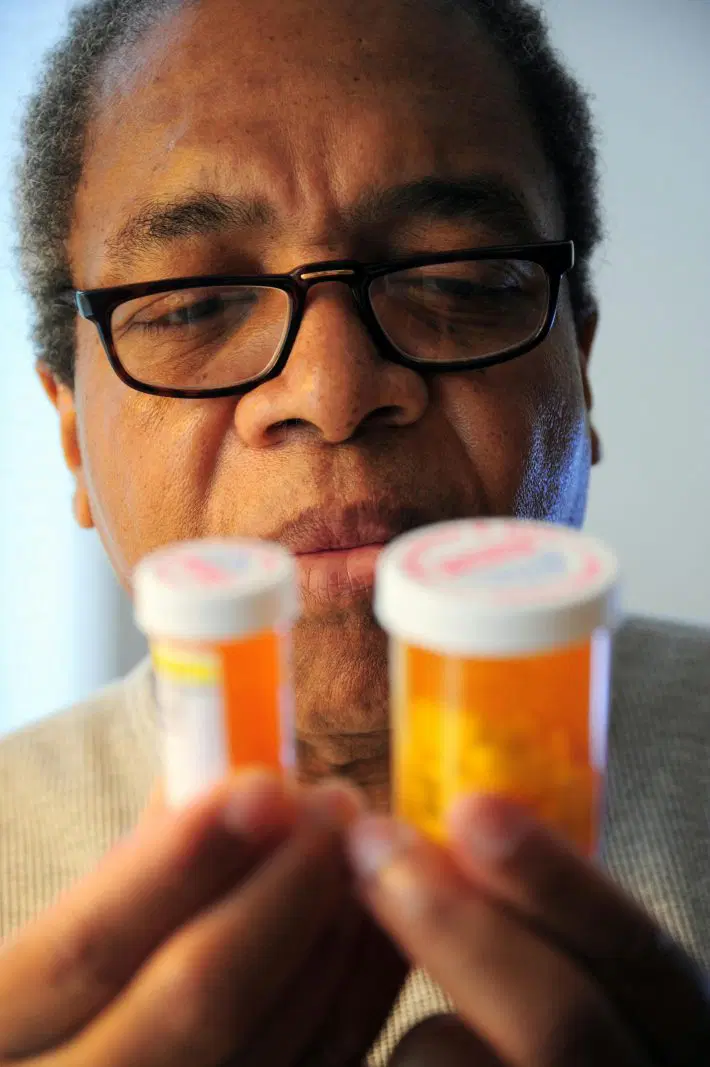
8 Dangerous Medications Seniors Still Take-Are You At Risk?
(MENAFN- Saving Advice) Many medications that were once considered routine for older adults are now raising serious concerns among doctors and pharmacists. As people age, the body processes drugs differently, making seniors far more vulnerable to side effects, falls, confusion, bleeding, and dangerous drug interactions. The American Geriatrics Society's Beers Criteria specifically identifies medications that may be inappropriate or risky for adults over 65 because the potential harms often outweigh the benefits. Despite these warnings, millions of seniors still take these medications every day, sometimes without realizing safer alternatives may exist. Here are eight medications you should be aware of.1. Benadryl and Similar Antihistamines Can Cause Confusion and Falls
Many seniors still rely on diphenhydramine products like Benadryl for allergies, sleep problems, or cold symptoms. Unfortunately, these medications have strong anticholinergic effects that may cause confusion, blurred vision, constipation, urinary retention, and dangerous dizziness in older adults. Doctors say these side effects significantly increase the risk of falls and emergency room visits among seniors. The Beers Criteria specifically lists first-generation antihistamines as medications older adults should generally avoid whenever possible.
2. Sleeping Pills May Increase Dementia and Injury RiskPrescription sleep medications such as Ambien remain widely used among older adults struggling with insomnia. However, experts warn these“Z-drugs” may increase confusion, memory problems, daytime grogginess, and fall risk in seniors. The danger becomes especially serious when older adults wake up during the night and become disoriented after taking these medications. Researchers have also raised concerns about possible links between long-term sedative use and cognitive decline.
3. Certain Anxiety Medications Can Become Dangerous Over TimeBenzodiazepines such as Xanax and Ativan are commonly prescribed for anxiety, panic attacks, or sleep problems. Unfortunately, these medications can remain in older adults' systems much longer than expected because aging slows drug metabolism. Seniors taking benzodiazepines face increased risks of falls, confusion, memory impairment, and car accidents. Combining these medications with opioids or alcohol dramatically raises the risk of dangerous sedation or breathing problems.
4. Muscle Relaxers Often Create More Problems Than ReliefMuscle relaxants are another category frequently flagged as dangerous medications that seniors should approach cautiously. Drugs such as Flexeril may cause sedation, dizziness, confusion, and severe balance problems in older adults. Many seniors take these medications for back pain, arthritis flare-ups, or muscle spasms without realizing how strongly they affect the nervous system. Doctors say muscle relaxers often provide limited benefit while significantly increasing fall and fracture risk.
5. Some Pain Relievers Can Trigger Bleeding and Kidney DamageNonsteroidal anti-inflammatory drugs, often called NSAIDs, remain extremely common among older adults managing arthritis or chronic pain. Medications like Ibuprofen and Naproxen can irritate the stomach lining, increase bleeding risk, worsen blood pressure, and damage kidney function in seniors. The risk becomes even higher when these medications are combined with blood thinners or certain heart medications. Experts say older adults often underestimate the danger because NSAIDs are available over the counter in most pharmacies.
6. Strong Antidepressants May Affect Memory and BalanceSome older antidepressants remain widely prescribed despite concerns about side effects in aging adults. Medications such as Paroxetine may cause sedation, dizziness, confusion, and increased fall risk because of their anticholinergic properties. The Beers Criteria specifically highlights certain antidepressants that may not be ideal for seniors compared to newer alternatives. Doctors also warn that combining antidepressants with multiple other medications can increase the likelihood of drug interactions and cognitive side effects.
7. Certain Diabetes Drugs Can Cause Dangerous Blood Sugar DropsSome diabetes medications become riskier as people age because seniors are more vulnerable to hypoglycemia, or dangerously low blood sugar. Older medications such as Glyburide have been repeatedly flagged in the Beers Criteria because they may trigger prolonged low blood sugar episodes in seniors. Severe hypoglycemia can lead to fainting, confusion, falls, seizures, and hospitalization. Seniors living alone face especially serious risks because they may not recognize symptoms quickly enough to seek help.
8. Opioid Pain Medications Remain a Major Concern for SeniorsOpioid medications continue to create serious risks for older adults, especially when combined with sleep aids or anxiety medications. Drugs like OxyContin may cause sedation, slowed breathing, confusion, constipation, and dangerous falls in seniors. Aging bodies often become more sensitive to opioids, meaning even standard doses can produce unexpectedly strong effects. Polypharmacy, or taking multiple medications simultaneously, dramatically increases the danger of serious drug interactions in older adults.
A Medication Checkup Could Be One of the Smartest Health Decisions You MakeDangerous medications seniors continue taking are not always unsafe for every individual, but they often require much closer monitoring as people age. Many older adults have taken the same prescriptions for years without realizing newer safety guidelines now recommend caution or safer alternatives. Experts strongly encourage seniors to schedule medication reviews regularly with doctors or pharmacists, especially if they take multiple prescriptions daily. Never stop a prescription suddenly without medical guidance, but do ask whether current medications still make sense for your age, health conditions, and overall risk factors. A simple medication review today could prevent a dangerous fall, hospitalization, or emergency room visit tomorrow.
Have you or a loved one ever discovered that a commonly prescribed medication was causing unexpected side effects? Share your experience in the comments below.

Legal Disclaimer:
MENAFN provides the
information “as is” without warranty of any kind. We do not accept
any responsibility or liability for the accuracy, content, images,
videos, licenses, completeness, legality, or reliability of the information
contained in this article. If you have any complaints or copyright
issues related to this article, kindly contact the provider above.
Most popular stories
Market Research

More Story








Comments
No comment