




403
Sorry!!
Error! We're sorry, but the page you were looking for doesn't exist.
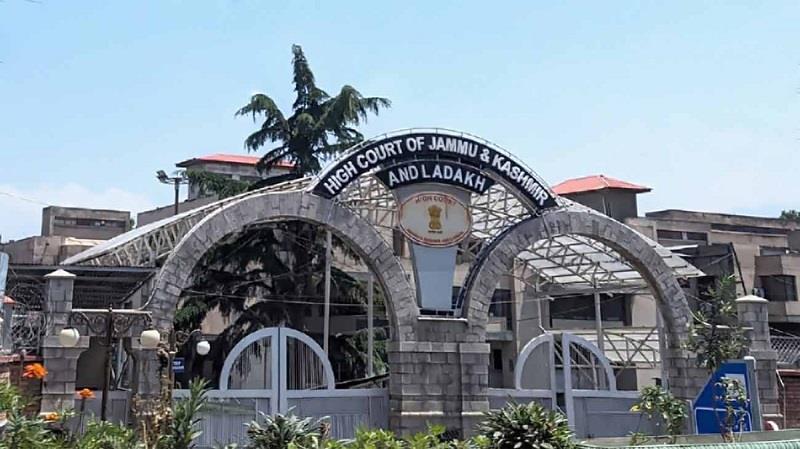
Extraction Of Minor Minerals Only As Per Statute: J&K HC
(MENAFN- Kashmir Observer) Srinagar- The High Court of J&K and Ladakh has dismissed a plea filed by residents of Baramulla's Pariswani village, seeking permission to extract sand, stones and boulders from a local nallah, ruling that no such activity can be carried out without statutory approval under mining laws.
ADVERTISEMENT
A bench of Justice Wasim Sadiq Nargal held that ownership of land or past practice of mineral extraction does not confer any vested right to exploit minor minerals. The court emphasized that minerals are governed by a separate statutory regime and are treated as public resources held in trust by the State.
ADVERTISEMENT
The petitioners had argued that extraction from the nallah, partly flowing through their proprietary land, was their traditional source of livelihood and that they had earlier deposited royalty with authorities. They alleged harassment, seizure of vehicles and denial of permission by the administration.
Rejecting the plea, the court said that extraction, transportation or storage of minerals without a valid licence, lease or concession under the Mines and Minerals (Development and Regulation) Act, 1957 is illegal. It observed that payment of royalty in the past does not create any enforceable right to continue mining activities.
The court further held that restrictions imposed by authorities do not violate the fundamental right to trade under Article 19(1)(g), as such rights are subject to reasonable restrictions in public interest, particularly in environmentally sensitive activities like mining.
Highlighting environmental concerns, the court noted that unregulated extraction from nallahs can cause ecological damage, including soil erosion, groundwater depletion and increased flood risks.
“A Nallah is not merely a source of sand and stones for private exploitation, it is a living ecological asset, an integral component of environmental balance, replenishment of groundwater, biodiversity preservation and the larger public trust doctrine,” the court said, adding,“Riverbeds, streams and Nallahs perform a vital ecological function by maintaining the natural flow of water, preventing soil erosion, sustaining aquatic life and preserving the hydrological balance of the surrounding region.” Indiscriminate extraction of sand, boulders and minor minerals from such natural watercourses disturbs the ecological equilibrium and causes irreversible environmental damage, the court said.
“Unregulated sand mining from a Nallah results in deepening of the riverbed, destabilization of banks, erosion of adjoining agricultural land and weakening of embankments, thereby increasing the risk of floods and landslides,” the court said, adding,“It lowers the groundwater table by disrupting the natural recharge mechanism and adversely affects irrigation and drinking water availability for nearby inhabitants.”
Read Also J&K HC Orders 30% Quota for Women in Bar Bodies J&K HC Asks Govt To Revisit Panchayati Raj Building Permission RulesExcessive removal of stones and boulders also damages the natural flow pattern of the stream, destroys fish habitats, affects aquatic biodiversity and leads to the collapse of ecosystems, the court said.
“Such activity further endangers public infrastructure such as bridges, culverts and roads by undermining their structural foundation,” the court said, adding,“Therefore, illegal mining is not merely a question of unauthorized extraction of minerals. it is a direct impact on environmental sustainability and inter-generational equity.”
ADVERTISEMENTDismissing the petition as“misconceived and without legal basis,” the court, however, granted liberty to the petitioners to apply for mineral concessions in accordance with the law. It directed that any such application be considered expeditiously on its merits.
Legal Disclaimer:
MENAFN provides the
information “as is” without warranty of any kind. We do not accept
any responsibility or liability for the accuracy, content, images,
videos, licenses, completeness, legality, or reliability of the information
contained in this article. If you have any complaints or copyright
issues related to this article, kindly contact the provider above.
Most popular stories
Market Research

More Story




Comments
No comment