




403
Sorry!!
Error! We're sorry, but the page you were looking for doesn't exist.
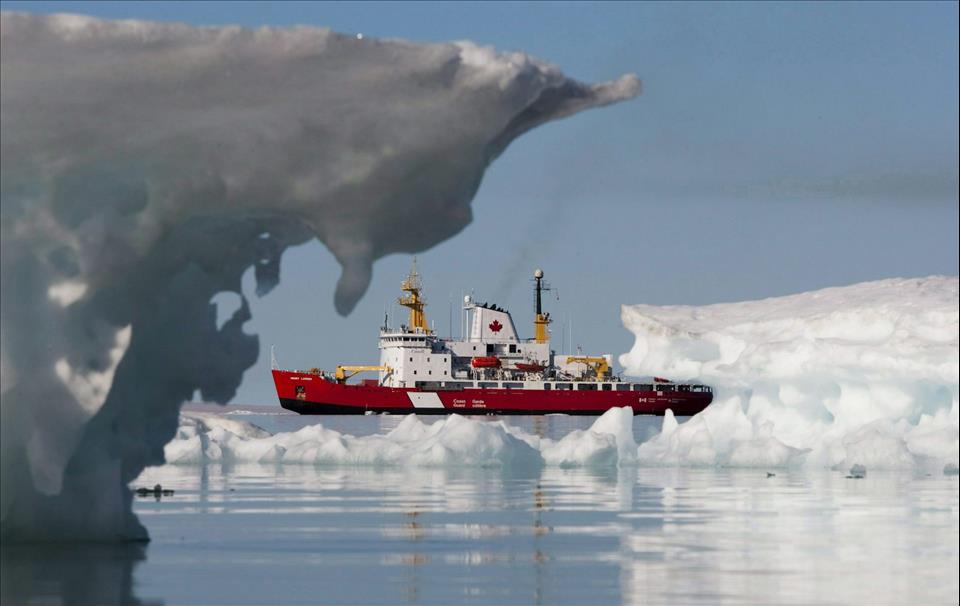
As Arctic Waters Open Up, Canada Must Prepare For Oil Spills
Author: Chunjiang An
(MENAFN- The Conversation) Canada's Arctic is opening faster than protection efforts are keeping pace. As sea ice declines, shipping is expanding across Arctic and sub-Arctic waters.

That may bring economic opportunities, but it also raises the risk of fuel spills and other pollution in some of the most fragile coastal environments on Earth. The real question is no longer whether the Arctic is at risk. It's whether Canada is ready for the kind of spill response these places actually require.
The answer is: not yet.
Arctic conditions are changing. September sea ice extent fell from 7.05 million square kilometres in 1979 to 4.37 million square kilometres in 2023. Over the same period, Arctic shipping grew, with traffic in the region reaching 12 million nautical miles in 2022.
More open water means more vessel traffic, longer shipping seasons and more pressure on northern coastlines. It also means a higher chance that a marine accident could turn into a shoreline emergency.
Arctic shorelines aren't easy places to clean up. Oil does not behave the same way in icy, remote and cold environments as it does in warmer waters. It can be trapped by sea ice, pushed onto shorelines, mixed into snow or persist in sediments and coastal habitats that recover very slowly.
Cleanup is also harder because responders, vessels and equipment may have to travel long distances, often with limited local infrastructure. Even methods that work elsewhere can become far less effective once ice, cold temperatures and remoteness are part of the picture.
Oil spills in the ArcticIn our recently published research, colleagues and I highlight the dangers oil spills pose in the Arctic and the steps policymakers need to take to prepare for them.
The federal government's Oceans Protection Plan and Multi-Partner Research Initiative are important steps in the right direction. Research supported through these programs has helped improve understanding of spill impacts, response methods and decision-making.
Policies like the Canada Shipping Act and the Arctic Waters Pollution Prevention Act also provide an important regulatory base. Canada is not standing still. But being on the right track is not the same as being ready for an accident.
Preparing before a spillCanada needs better shoreline vulnerability mapping for Arctic and sub-Arctic regions. Not every shoreline is equally sensitive, and not every place has the same ecological, cultural or community value. A spill near a harvesting area, a culturally important coastal site or a fish habitat used by a nearby community may cause damage far beyond what a standard response map can show.
Preparedness should identify which shorelines matter most, why they matter and what kind of response makes sense in each place. That means combining physical data with ecological, social and cultural knowledge.
Second, we need a better grasp of how oil moves and changes in Arctic coastal areas. Ice cover, water salinity, waves, shoreline slope and sediment type all affect where spilled oil goes and how long it stays. Without that knowledge, response plans can look good on paper but fail in practice. More research is needed on cold-region transport and the special challenge posed by oil mixed with snow and ice.
Third, we need cleanup tools designed for these environments, not borrowed from somewhere else and assumed to work.
Our research points to the need for low-toxicity shoreline cleaners made from more environmentally friendly materials, along with treatment methods that avoid creating secondary waste during cleanup. Being ready for spills should not just mean faster response. It should also mean a safer and more sustainable response.
Indigenous communities vitalMost importantly, Canada's Arctic cannot adequately prepare for spills without Indigenous partnership at the centre of planning. Many Indigenous communities are located along Canada's coast, and about 75 per cent of the country's coastline lies along the Arctic Ocean.
These communities are often among the first to face the effects of shoreline pollution, whether through impacts on food harvesting, water safety, coastal use or culturally important places.
My ongoing research looks into how shoreline protection can be improved through community-led monitoring, local training and stronger participation in governance. Those are not optional add-ons. They are part of what real preparedness looks like.
Read more: Canada's Arctic security depends on more than defence - here's how immigration could help
That also means respecting Indigenous knowledge in spill planning and response. By bringing Indigenous knowledge and western science together to guide shoreline protection, governments can identify culturally important areas and support better responses. In the Arctic, local knowledge is not just helpful; it's essential operational knowledge.
If Canada wants to open up its Arctic waters to more shipping, it must also prepare for accidents. That means investing in prevention, local capacity, science, Indigenous partnership and region-specific cleanup tools before the next major spill happens, not after.
Canada has made meaningful progress. But there is still a long way to go. A truly spill-ready Arctic will depend on governments, researchers, responders, industry and communities working together, with northern and Indigenous communities treated not as voices on the sidelines, but as core partners in protecting the coast.
Institution:Concordia University

Legal Disclaimer:
MENAFN provides the
information “as is” without warranty of any kind. We do not accept
any responsibility or liability for the accuracy, content, images,
videos, licenses, completeness, legality, or reliability of the information
contained in this article. If you have any complaints or copyright
issues related to this article, kindly contact the provider above.
Most popular stories
Market Research








Comments
No comment