




403
Sorry!!
Error! We're sorry, but the page you were looking for doesn't exist.
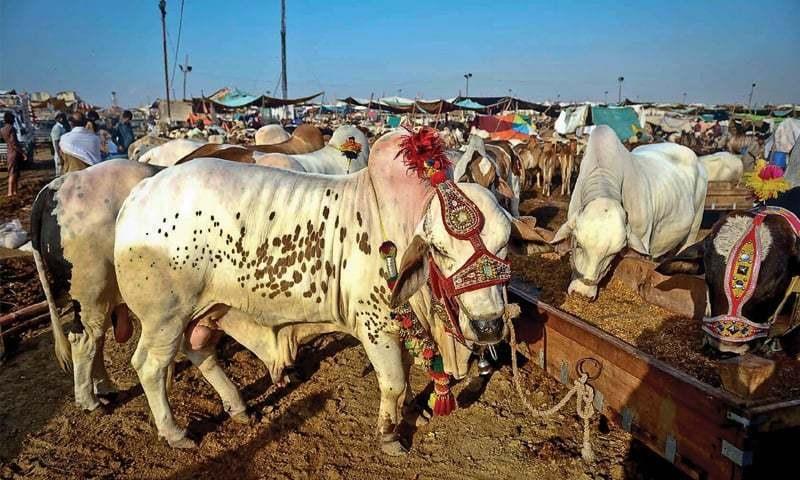
Rising Prices And Transport Costs Deepen Burden On Public Ahead Of Eidul Azha
(MENAFN- Tribal News Network) By Khola Zarfashan
Soaring inflation has made life increasingly difficult for the common man. Prices of essential food items continue to rise, making even basic daily needs hard to afford.
In such circumstances, the arrival of Eidul Azha brings a message of joy and worship, but it also adds financial pressure and increases household expenses.
Fuel prices, particularly petrol and diesel, have risen significantly, sharply increasing transportation costs. Since most sacrificial animals are transported from major markets in Punjab and Sindh to other parts of the country, higher transport fares directly affect animal prices.
For instance, animals that were previously transported at lower costs now require thousands of rupees more just for delivery. This added expense is ultimately passed on to the buyer.
In addition, the cost of animal feed has also increased. Proper care, space, water, and feeding expenses have made livestock farming more expensive overall.
Also Read: When Survival Becomes a Performance: Children on the Streets
As a result, sacrificial animals are becoming costlier not just in markets but throughout the entire supply chain, placing a direct burden on consumers.
Meat prices have also surged, currently ranging between Rs1,000 to Rs1,600 per kilogram, compared to relatively lower rates last year. This increase has made meat less affordable for middle- and low-income groups, affecting their ability to fully celebrate Eid.
Experts say that the regional border situation can also impact livestock prices. If cross-border movement with Afghanistan remains restricted, supply may decrease, potentially stabilizing prices. However, if restrictions ease or informal trade increases, prices could rise by 20 to 30 percent.
This means animals that were available for Rs200,000 to Rs300,000 last year may become even more expensive this year.
Sacrifice is a deeply spiritual obligation in Islam, meant to promote devotion, sincerity, and selflessness. However, in modern times, some people turn it into a display of wealth and competition.
Buying large and expensive animals to show superiority undermines the true purpose of sacrifice and disrupts social balance.
If financially capable individuals promote collective sacrifice instead of purchasing large animals alone, it could reduce financial burden and allow more people to participate.
In the past, five to seven people would share in the sacrifice, fostering ease as well as unity, cooperation, and brotherhood.
Despite rising inflation, the middle class remains the most affected. Yet many still try to fulfill this obligation by cutting back on personal expenses, reflecting their strong faith and spirit of sacrifice.
There is a need to understand the true philosophy of sacrifice, embrace simplicity and sincerity, and avoid unnecessary showmanship. This will enable more people to participate and strengthen compassion, empathy, and social harmony.
Note: This article reflects the author's personal opinion and does not necessarily represent the views of the organization.

Legal Disclaimer:
MENAFN provides the
information “as is” without warranty of any kind. We do not accept
any responsibility or liability for the accuracy, content, images,
videos, licenses, completeness, legality, or reliability of the information
contained in this article. If you have any complaints or copyright
issues related to this article, kindly contact the provider above.
Most popular stories
Market Research





Comments
No comment