








403
Sorry!!
Error! We're sorry, but the page you were looking for doesn't exist.
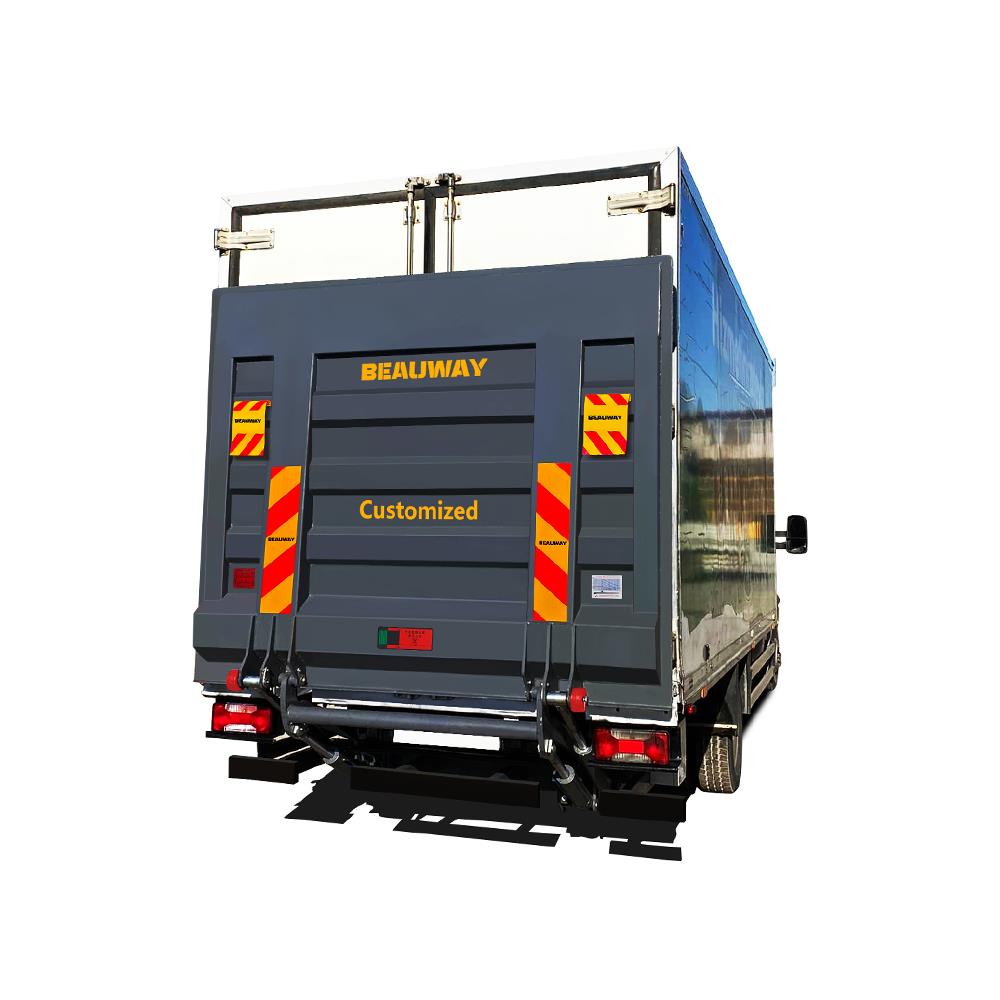
Cantilever Tail Lift Technical Overview and Maintenance Guide for Commercial Vehicles
(MENAFNEditorial) Cantilever Tail Lift Technical Overview and Maintenance Guide for Commercial Vehicles
In real-world logistics operations, a cantilever tail lift is not just another loading device. It is usually the point where efficiency either improves or breaks down. Anyone who has worked around tail lift truck operations knows that the difference between a stable system and a problematic one is rarely in the spec sheet—it is in how the system behaves after months of daily cargo handling.
Compared with a conventional tailgate lift or basic liftgate for trucks, the cantilever design introduces a different mechanical logic. Instead of relying purely on vertical guide structures, it uses a moment-based support system that distributes load toward the vehicle chassis. This is why it is commonly found in truck tail lift applications where off-center loading is unavoidable.
Structural Design in Real Operating Conditions
A typical hydraulic tail lift setup includes a pump unit, hydraulic cylinders, and a control valve system. In theory, this sounds straightforward. In practice, however, the system is constantly exposed to uneven loading, forklift impact, and repeated stress cycles.
The cantilever structure itself is what changes the behavior of the system. By shifting load transfer away from the platform edge and into a controlled pivot system, the cargo lift gate becomes more stable under dynamic conditions. This is especially noticeable in warehouse docking environments where ground level differences are inconsistent.
Most truck liftgate systems today still rely on variations of this principle, but not all of them handle fatigue stress equally well. In heavy duty tail lift applications, structural reinforcement around pivot joints becomes more important than the platform material itself.
Hydraulic System Behavior Under Load
The hydraulic tail lift system is often treated as a static component in documentation, but in real fleet usage it behaves like a living system. Pressure variation, oil contamination, and temperature shifts all directly affect performance.
A properly functioning electric tail lift or hydraulic system should respond smoothly under load without delay or vibration. However, in long-term use, pump efficiency gradually declines, and minor internal leakage becomes more noticeable during mid-range lifting positions.
This is one of the reasons why experienced technicians pay more attention to system behavior rather than nominal specifications. In actual tail lift truck operations, a small delay in cylinder response is often the first sign of hydraulic fatigue.
Operational Advantages in Logistics Environments
From a practical logistics perspective, the main advantage of a cantilever system is not just lifting power. It is consistency.
In liftgate for trucks operations, consistency means the platform behaves predictably regardless of load distribution. This becomes critical in multi-stop delivery routes where cargo type changes frequently.
Compared with older tailgate lift designs, the cantilever system reduces platform swing and improves stability during partial loading. This is particularly useful in urban delivery scenarios where cargo lift gate systems are used multiple times per hour.
In heavy duty tail lift configurations, the structure also handles repeated stress cycles better, which reduces the frequency of major mechanical repairs over time.
Maintenance Reality in Fleet Operation
Maintenance manuals usually describe ideal conditions. Fleet operation does not follow ideal conditions.
In real truck tail lift systems, the first component that requires attention is almost always the hydraulic circuit. Oil degradation, seal wear, and pressure inconsistency tend to appear gradually rather than suddenly.
Another area that is often underestimated is the mechanical pivot assembly. Over time, even small clearance changes in the cantilever joints can lead to noticeable vibration during lifting operations. This is not an immediate failure, but it affects long-term reliability.
Electrical issues are less frequent but more disruptive. In electric tail lift configurations, intermittent signal loss or delayed response usually points to control wiring fatigue rather than complete system failure.
Regular lubrication and inspection are not optional in liftgate for trucks systems. They directly determine whether the system remains stable under continuous use or begins to degrade prematurely.
Failure Patterns Observed in Field Use
In field operations, most failures in cargo lift gate systems do not happen suddenly. They develop gradually.
Slow lifting speed is usually linked to pump efficiency loss or fluid contamination in the hydraulic tail lift system. Platform vibration, on the other hand, is more often related to structural looseness rather than hydraulic pressure itself.
In heavy duty tail lift usage, long-term stress accumulation around weld points and pivot joints can also lead to micro-deformation. This is rarely visible in early stages but becomes noticeable under uneven loading conditions.
For truck liftgate systems used in daily logistics routes, these patterns are more common than catastrophic breakdowns.
Engineering Perspective and Industry Value
A cantilever tail lift should be understood as a full vehicle liftgate system rather than a standalone accessory. Its performance depends on how well structural mechanics and hydraulic behavior are balanced over time.
In modern logistics networks, both tail lift truck and cargo lift gate systems are no longer optional equipment—they are part of operational efficiency infrastructure. As delivery cycles become shorter and loading frequency increases, system stability becomes more valuable than peak capacity alone.
This is why hydraulic tail lift and heavy duty tail lift designs continue to evolve toward better fatigue resistance and smoother control behavior rather than simply higher load ratings.
Beauway Engineering Approach
Beauway focuses on the development and manufacturing of truck tail lift and liftgate for trucks systems designed for real logistics environments rather than controlled test conditions.
In practical applications, the emphasis is placed on hydraulic stability, structural durability, and long-cycle operation reliability. Whether used in tailgate lift configurations or electric tail lift systems, the goal is consistent performance under repeated loading cycles.
In heavy duty tail lift and cargo lift gate applications, Beauway systems are designed to maintain operational stability in high-frequency logistics routes, where equipment downtime directly affects delivery efficiency.
In real-world logistics operations, a cantilever tail lift is not just another loading device. It is usually the point where efficiency either improves or breaks down. Anyone who has worked around tail lift truck operations knows that the difference between a stable system and a problematic one is rarely in the spec sheet—it is in how the system behaves after months of daily cargo handling.
Compared with a conventional tailgate lift or basic liftgate for trucks, the cantilever design introduces a different mechanical logic. Instead of relying purely on vertical guide structures, it uses a moment-based support system that distributes load toward the vehicle chassis. This is why it is commonly found in truck tail lift applications where off-center loading is unavoidable.
Structural Design in Real Operating Conditions
A typical hydraulic tail lift setup includes a pump unit, hydraulic cylinders, and a control valve system. In theory, this sounds straightforward. In practice, however, the system is constantly exposed to uneven loading, forklift impact, and repeated stress cycles.
The cantilever structure itself is what changes the behavior of the system. By shifting load transfer away from the platform edge and into a controlled pivot system, the cargo lift gate becomes more stable under dynamic conditions. This is especially noticeable in warehouse docking environments where ground level differences are inconsistent.
Most truck liftgate systems today still rely on variations of this principle, but not all of them handle fatigue stress equally well. In heavy duty tail lift applications, structural reinforcement around pivot joints becomes more important than the platform material itself.
Hydraulic System Behavior Under Load
The hydraulic tail lift system is often treated as a static component in documentation, but in real fleet usage it behaves like a living system. Pressure variation, oil contamination, and temperature shifts all directly affect performance.
A properly functioning electric tail lift or hydraulic system should respond smoothly under load without delay or vibration. However, in long-term use, pump efficiency gradually declines, and minor internal leakage becomes more noticeable during mid-range lifting positions.
This is one of the reasons why experienced technicians pay more attention to system behavior rather than nominal specifications. In actual tail lift truck operations, a small delay in cylinder response is often the first sign of hydraulic fatigue.
Operational Advantages in Logistics Environments
From a practical logistics perspective, the main advantage of a cantilever system is not just lifting power. It is consistency.
In liftgate for trucks operations, consistency means the platform behaves predictably regardless of load distribution. This becomes critical in multi-stop delivery routes where cargo type changes frequently.
Compared with older tailgate lift designs, the cantilever system reduces platform swing and improves stability during partial loading. This is particularly useful in urban delivery scenarios where cargo lift gate systems are used multiple times per hour.
In heavy duty tail lift configurations, the structure also handles repeated stress cycles better, which reduces the frequency of major mechanical repairs over time.
Maintenance Reality in Fleet Operation
Maintenance manuals usually describe ideal conditions. Fleet operation does not follow ideal conditions.
In real truck tail lift systems, the first component that requires attention is almost always the hydraulic circuit. Oil degradation, seal wear, and pressure inconsistency tend to appear gradually rather than suddenly.
Another area that is often underestimated is the mechanical pivot assembly. Over time, even small clearance changes in the cantilever joints can lead to noticeable vibration during lifting operations. This is not an immediate failure, but it affects long-term reliability.
Electrical issues are less frequent but more disruptive. In electric tail lift configurations, intermittent signal loss or delayed response usually points to control wiring fatigue rather than complete system failure.
Regular lubrication and inspection are not optional in liftgate for trucks systems. They directly determine whether the system remains stable under continuous use or begins to degrade prematurely.
Failure Patterns Observed in Field Use
In field operations, most failures in cargo lift gate systems do not happen suddenly. They develop gradually.
Slow lifting speed is usually linked to pump efficiency loss or fluid contamination in the hydraulic tail lift system. Platform vibration, on the other hand, is more often related to structural looseness rather than hydraulic pressure itself.
In heavy duty tail lift usage, long-term stress accumulation around weld points and pivot joints can also lead to micro-deformation. This is rarely visible in early stages but becomes noticeable under uneven loading conditions.
For truck liftgate systems used in daily logistics routes, these patterns are more common than catastrophic breakdowns.
Engineering Perspective and Industry Value
A cantilever tail lift should be understood as a full vehicle liftgate system rather than a standalone accessory. Its performance depends on how well structural mechanics and hydraulic behavior are balanced over time.
In modern logistics networks, both tail lift truck and cargo lift gate systems are no longer optional equipment—they are part of operational efficiency infrastructure. As delivery cycles become shorter and loading frequency increases, system stability becomes more valuable than peak capacity alone.
This is why hydraulic tail lift and heavy duty tail lift designs continue to evolve toward better fatigue resistance and smoother control behavior rather than simply higher load ratings.
Beauway Engineering Approach
Beauway focuses on the development and manufacturing of truck tail lift and liftgate for trucks systems designed for real logistics environments rather than controlled test conditions.
In practical applications, the emphasis is placed on hydraulic stability, structural durability, and long-cycle operation reliability. Whether used in tailgate lift configurations or electric tail lift systems, the goal is consistent performance under repeated loading cycles.
In heavy duty tail lift and cargo lift gate applications, Beauway systems are designed to maintain operational stability in high-frequency logistics routes, where equipment downtime directly affects delivery efficiency.

Legal Disclaimer:
MENAFN provides the
information “as is” without warranty of any kind. We do not accept
any responsibility or liability for the accuracy, content, images,
videos, licenses, completeness, legality, or reliability of the information
contained in this article. If you have any complaints or copyright
issues related to this article, kindly contact the provider above.
Most popular stories
Market Research

More Story








Comments
No comment