




403
Sorry!!
Error! We're sorry, but the page you were looking for doesn't exist.
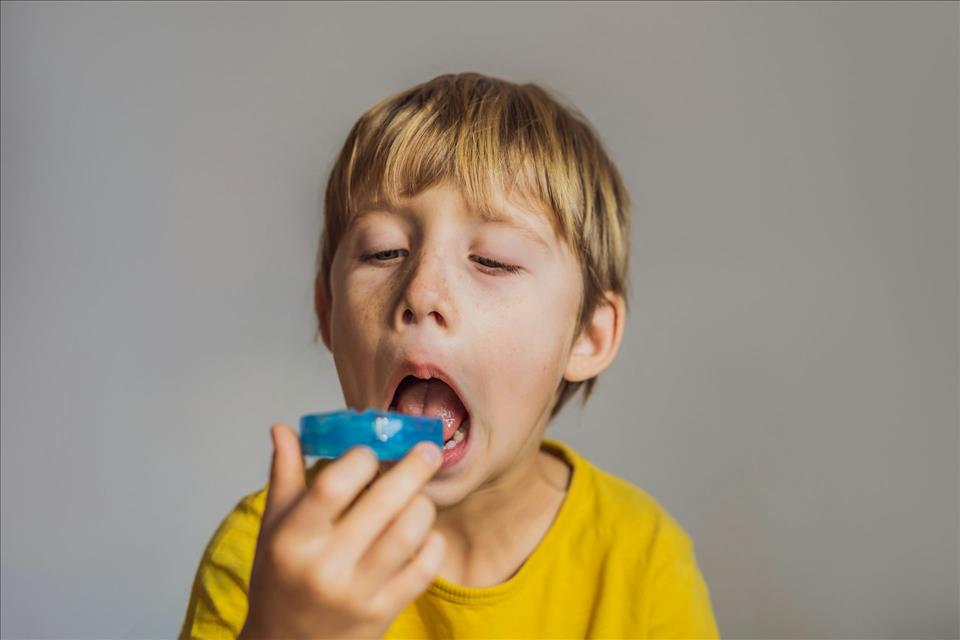
We Studied The Bacteria On Kids' Sports Mouthguards. The Results Were Eye-Opening
Author: Huseyin Sumer
(MENAFN- The Conversation) Many young Australians are beginning their winter sports season, gearing up for sports such as football, hockey and rugby. Apart from the training sessions, weekend games and oranges at half-time, these contact sports also involve mouthguards.

Mouthguards protect the teeth, gums and jaw from serious injury. But while most parents and coaches insist kids wear them, far fewer think about what happens after the game – and whether mouthguards get cleaned properly.
Our research suggests poor mouthguard care can lead to bacterial buildup and potential health risks.
Our researchWe studied mouthguards used by under-12s Australian rules football players. This involved ten players who regularly used mouthguards in training and for matches.
We collected samples immediately before a training session. We collected samples from the mouthguard surface and the storage case.
Using advanced microscopic imaging to look at surfaces in very high detail and to map their shape, we examined how the mouthguard surface had changed and how bacteria attached to it.
From this, we could assess just how much bacterial colonisation was occurring - and how it related to mouthguard condition and cleaning habits.
We also swabbed the players' tongues and mouths to see if the bacteria were the same or different from the mouthguards.
What we foundThe results were eye-opening.
We found around seventeen 17 potentially harmful types of bacteria on the mouthguards and in the cases. Some of these are linked to gum disease, tooth decay, oral infections and even respiratory infections if inhaled.
These bacteria were different from those found in players' mouths.
Even though a mouthguard may look fine to the naked eye, under magnification it was obvious that over time, chewing, contact and improper storage (such as tossing it in the bottom of a sports bag) scratch the mouthguard material, facilitating bacterial attachment.
The roughness on the mouthguard surfaces created tiny grooves and pits - perfect hiding places for bacteria to cling to and multiply.
A quick rinse isn't enoughThese bacterial communities aren't easily washed away with a quick rinse under the tap.
Our study showed a simple water rinse removed only 60–70% of bacteria. Alcohol-containing mouthwash, hydrogen peroxide mouthwash and denture cleaning tablets also did not remove all the bacteria.
We found a thorough clean with a toothbrush and toothpaste removed up to 98% of bacteria.
The pictures don't liePoorly maintained mouthguards don't just smell bad, they can become a vehicle for infection.
The same bacteria that thrive on a dirty mouthguard can contribute to oral ulcers or infections, especially when the inside of the mouth is already irritated from sport.
Advice for players and parentsThe good news is that mouthguards can be cleaned and maintained easily.
- After every use, rinse thoroughly under cool, clean water to remove debris.
When kids return home from training or games, we highly recommend further cleaning with a soft toothbrush and toothpaste or mild soap.
Dry the mouthguard completely before storing it in a clean, ventilated container.Regularly clean the case with mild detergent.
Regularly inspect and replace mouthguards that become rough, cracked or ill-fitting.Parents should remind kids not to chew on them during games as this can promote bacterial attachment to the tiny scratches and crevices that are formed.
For coaches and clubs, simple hygiene talks and reminders can make a big difference – especially for younger players who might not think twice before shoving their mouthguard into a muddy pocket, bag or sock.
Just as players look after their boots and uniforms, their mouthguards need the same attention. With proper cleaning and care, they'll not only last longer but be safer for those using them.
Institution:Swinburne University of Technology

Legal Disclaimer:
MENAFN provides the
information “as is” without warranty of any kind. We do not accept
any responsibility or liability for the accuracy, content, images,
videos, licenses, completeness, legality, or reliability of the information
contained in this article. If you have any complaints or copyright
issues related to this article, kindly contact the provider above.
Most popular stories
Market Research

More Story








Comments
No comment