








403
Sorry!!
Error! We're sorry, but the page you were looking for doesn't exist.
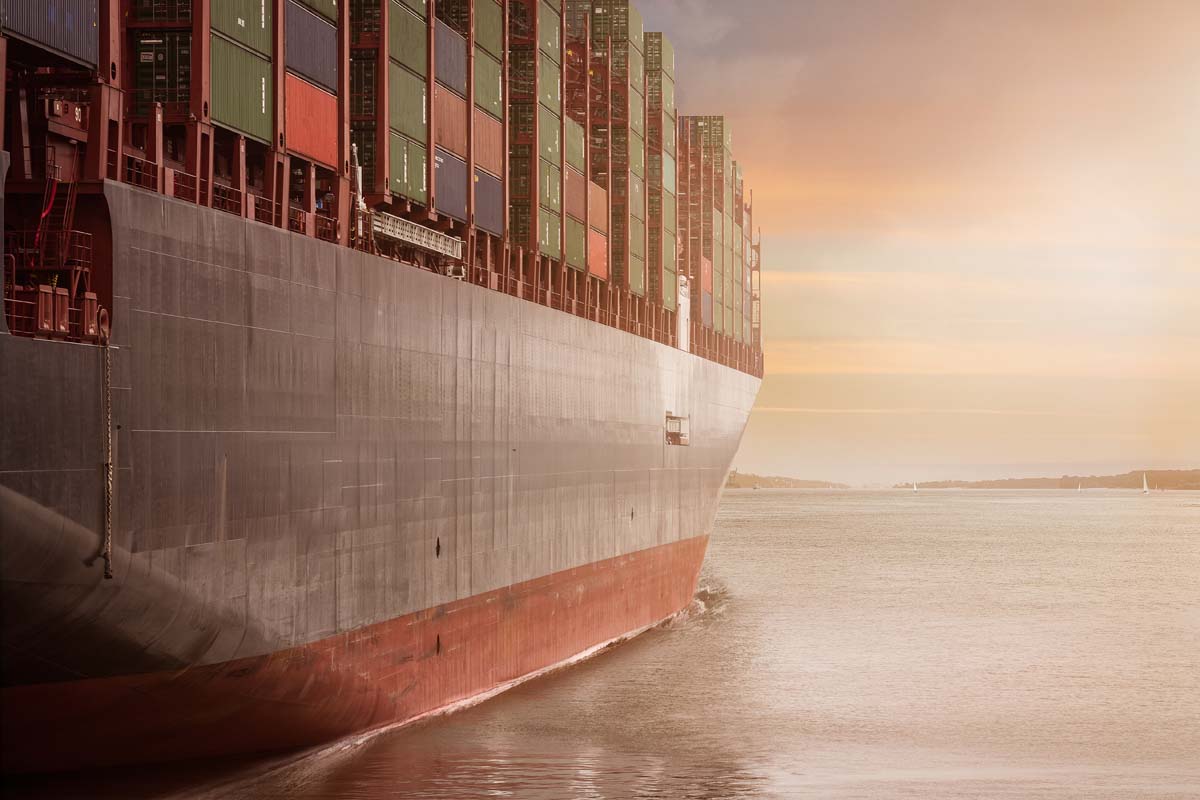
37 Ships Redirected as US Tightens Its Grip on Iran's Ports
(MENAFN) US military forces are maintaining an active enforcement of sanctions and a full naval blockade against vessels entering or departing Iranian ports, US Central Command announced Saturday via social media.
In a post on X, US Central Command disclosed that 37 ships have been redirected since the blockade's inception. Among the latest intercepts, a merchant vessel identified as the Sevan was stopped in the Arabian Sea earlier Saturday by US forces and is currently "complying with U.S. military direction to turn back to Iran under escort."
The blockade traces back to April 12, when President Donald Trump ordered the US Navy to begin intercepting vessels attempting to transit the Strait of Hormuz. The decision followed the collapse of the inaugural round of US-Iranian negotiations held on April 11 and 12 in Islamabad, Pakistan, which failed to yield a peace agreement.
Iranian President Masoud Pezeshkian responded sharply to Trump's announcement, warning that "any threat against the security of the Strait of Hormuz will have large-scale consequences for global trade."
Tehran's principal military command, Khatam al-Anbiya Central Headquarters, echoed that posture Saturday, reaffirming its pledge to respond should Washington persist in what it characterized as "blockade, banditry and piracy" across the West Asia region.
Diplomatic prospects dimmed further Saturday after Trump announced the cancellation of a planned US delegation visit to Islamabad for a new round of talks with the Iranian side — a move likely to deepen the impasse between the two powers.
In a post on X, US Central Command disclosed that 37 ships have been redirected since the blockade's inception. Among the latest intercepts, a merchant vessel identified as the Sevan was stopped in the Arabian Sea earlier Saturday by US forces and is currently "complying with U.S. military direction to turn back to Iran under escort."
The blockade traces back to April 12, when President Donald Trump ordered the US Navy to begin intercepting vessels attempting to transit the Strait of Hormuz. The decision followed the collapse of the inaugural round of US-Iranian negotiations held on April 11 and 12 in Islamabad, Pakistan, which failed to yield a peace agreement.
Iranian President Masoud Pezeshkian responded sharply to Trump's announcement, warning that "any threat against the security of the Strait of Hormuz will have large-scale consequences for global trade."
Tehran's principal military command, Khatam al-Anbiya Central Headquarters, echoed that posture Saturday, reaffirming its pledge to respond should Washington persist in what it characterized as "blockade, banditry and piracy" across the West Asia region.
Diplomatic prospects dimmed further Saturday after Trump announced the cancellation of a planned US delegation visit to Islamabad for a new round of talks with the Iranian side — a move likely to deepen the impasse between the two powers.

Legal Disclaimer:
MENAFN provides the
information “as is” without warranty of any kind. We do not accept
any responsibility or liability for the accuracy, content, images,
videos, licenses, completeness, legality, or reliability of the information
contained in this article. If you have any complaints or copyright
issues related to this article, kindly contact the provider above.
Most popular stories
Market Research

More Story







Comments
No comment