







403
Sorry!!
Error! We're sorry, but the page you were looking for doesn't exist.
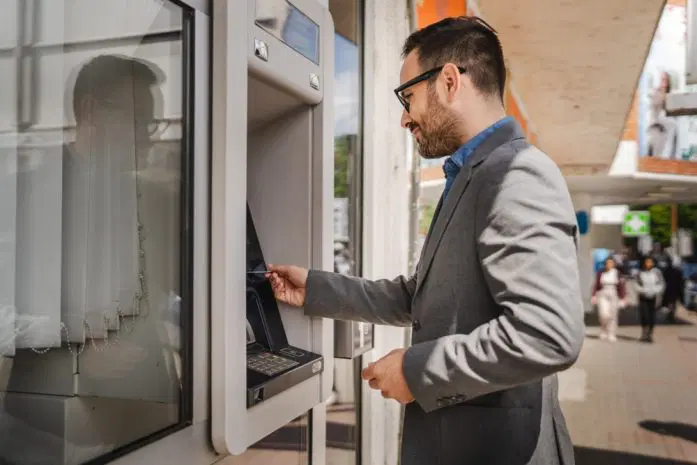
Why Banks Are Quietly Reducing Cash Withdrawal Limits In California, New York, Texas, Florida, And Illinois
(MENAFN- Free Financial Advisor) Image Source: Shutterstock
Cash still feels like control. It's immediate, tangible, and doesn't depend on a Wi-Fi signal or a battery percentage. Yet across major states like California, New York, Texas, Florida, and Illinois, banks have started dialing back how much cash customers can pull out at once. This shift hasn't arrived with loud announcements or splashy headlines, but it's happening steadily-and it's catching people off guard at ATMs and teller windows alike. For everyday consumers, that quiet change can quickly turn into a frustrating moment when access to funds suddenly feels restricted.
This trend isn't random, and it certainly isn't temporary. Financial institutions are making calculated moves based on evolving risks, technology adoption, and changing customer behavior. While digital payments dominate more transactions than ever, cash still plays a crucial role in budgeting, emergencies, and small businesses.
The Real Reasons Banks Are Tightening Withdrawal LimitsBanks don't make changes like this on a whim, and several forces drive the decision to reduce cash withdrawal limits. Fraud prevention sits at the top of the list, as criminals increasingly target ATM withdrawals and debit card access. Lower limits help reduce potential losses if someone gains unauthorized access to an account, especially in cases involving stolen cards or hacked PINs. Financial institutions also face pressure from regulators to strengthen security measures, and limiting withdrawals offers a simple, effective layer of protection. This approach allows banks to act quickly without overhauling entire systems or disrupting digital services.
Operational efficiency plays a major role as well, and it often flies under the radar. Banks spend significant resources transporting, storing, and securing physical cash, and those costs add up fast. By reducing withdrawal limits, institutions can streamline cash flow and reduce the need for frequent ATM replenishment. That shift also aligns with a broader industry push toward digital transactions, which cost less to process and track. In short, limiting cash access helps banks cut expenses while nudging customers toward electronic payments.
How This Impacts Everyday CustomersFor many people, these changes don't seem like a big deal-until they need more cash than the new limit allows. Imagine planning a last-minute home repair, paying a contractor, or covering an emergency expense that requires cash. Suddenly, multiple trips to the ATM or a visit to the bank becomes necessary, adding inconvenience and delays. Small business owners, in particular, feel the strain because they often rely on cash for daily operations, tips, or vendor payments. These limits can disrupt routines and force adjustments that weren't necessary before.
There's also a psychological shift that comes with reduced access to cash. Consumers often view their bank balance as fully accessible, so restrictions can create a sense of losing control over their own money. That perception matters, especially during times of economic uncertainty when people want quick access to funds. While banks emphasize security and efficiency, customers may interpret the move as a lack of transparency. This disconnect highlights the growing tension between traditional banking expectations and modern financial systems.
The Push Toward a Cashless EconomyBanks aren't just reacting to risks-they're actively shaping the future of how money moves. Digital wallets, peer-to-peer payment apps, and contactless transactions have exploded in popularity, making cash less essential for daily life. By lowering withdrawal limits, banks subtly encourage customers to rely more on these digital tools. This shift benefits institutions because electronic transactions generate data, reduce overhead, and integrate seamlessly with modern financial platforms. Over time, that convenience can outweigh the perceived need for physical cash.
However, the move toward a cashless society doesn't come without challenges. Not everyone has equal access to digital banking tools, especially older adults or underserved communities. Cash still serves as a critical resource for budgeting and avoiding debt, since it limits overspending in a way digital payments often don't. Reducing access to cash can unintentionally create barriers for those who depend on it most. That's why this trend sparks debate about fairness, accessibility, and the future of financial inclusion.
Image Source: Shutterstock
Smart Strategies to Stay Ahead of These ChangesAdapting to lower withdrawal limits doesn't require a complete financial overhaul, but it does call for a smarter approach. Planning ahead becomes essential, especially for larger expenses that require cash, so spreading withdrawals over several days can help avoid last-minute stress. Keeping a small emergency cash reserve at home can also provide a safety net when limits get in the way. Many consumers are also exploring hybrid strategies, using a mix of digital payments and cash to maintain flexibility. These adjustments may seem minor, but they can make a big difference when access becomes restricted.
Communication with your bank can also go a long way. Some institutions allow temporary limit increases for specific situations, especially if requested in advance. Understanding your bank's policies, daily limits, and available options helps avoid surprises at the worst possible moment. It's also wise to explore alternative payment methods that offer speed and security without relying on cash. Taking these proactive steps ensures that reduced limits feel manageable rather than restrictive.
What This Quiet Shift Means for Your Financial FutureThe reduction in cash withdrawal limits signals more than just a policy tweak-it reflects a broader transformation in banking. Financial institutions are prioritizing security, efficiency, and digital innovation, even if it means reshaping how customers access their own money. While the changes may feel inconvenient at times, they also highlight the importance of adapting to a rapidly evolving financial landscape. Consumers who stay informed and flexible will navigate these shifts with far less friction. Those who rely solely on old habits may find themselves increasingly constrained.
At the same time, this trend raises important questions about control, access, and trust in the banking system. Cash has long represented independence, and any limitation on it naturally draws attention. As banks continue to refine their strategies, customers will need to balance convenience with preparedness. Staying ahead of these changes ensures financial stability, even as the rules quietly evolve. The key lies in awareness, planning, and a willingness to adjust.
Have you noticed lower withdrawal limits at your bank, and how has it affected your daily routine? Share your story in the comments section below.

Legal Disclaimer:
MENAFN provides the
information “as is” without warranty of any kind. We do not accept
any responsibility or liability for the accuracy, content, images,
videos, licenses, completeness, legality, or reliability of the information
contained in this article. If you have any complaints or copyright
issues related to this article, kindly contact the provider above.
Most popular stories
Market Research

More Story








Comments
No comment