






403
Sorry!!
Error! We're sorry, but the page you were looking for doesn't exist.
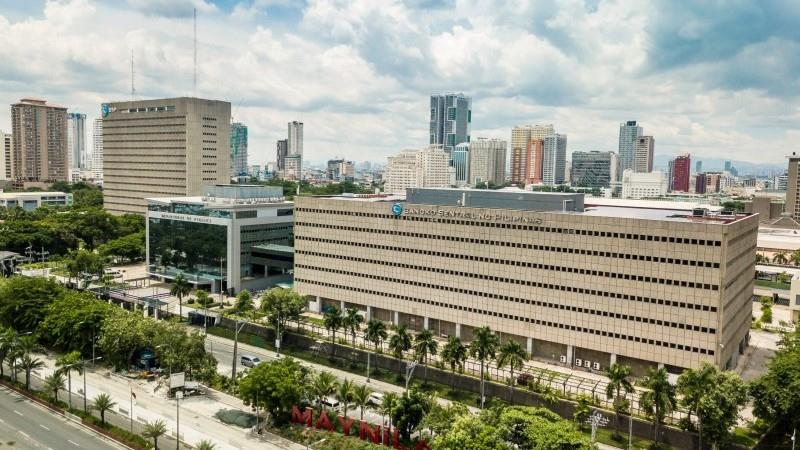
The Philippines Kicks Off Hiking Cycle, Reasserting Inflation Control Amid Rising Oil Prices
(MENAFN- ING)
BSP hikes policy rate
The Philippines – one of the Asian economies most exposed to higher oil prices – surprised markets by raising the policy rate by 25bp to 4.5%, contrary to our expectation of no change. The move reinforces the Bank's long‐standing commitment to price stability, while downplaying the role of monetary policy in addressing near‐term growth risks. With this action, the BSP reiterated its low tolerance for inflation target breaches and emphasised that price stability remains its primary mandate. This approach is consistent with past behaviour – most notably in 2018 and 2022, when the BSP moved swiftly to tighten policy as soon as inflation breached the 4% upper bound of its target range.
Key reasons for tightening:
-
Elevated geopolitical risks: Expectations of a prolonged Middle East conflict have raised upside risks to commodity prices – particularly oil and fertilisers – reinforcing the BSP's proactive policy bias. Policymakers noted that a 50bp hike was actively discussed, underscoring concerns that inflation risks could become more persistent amid intensifying geopolitical tensions.
Broadening inflation pressures: Price pressures are becoming more widespread, driven by rising transport and fertiliser costs. These developments point to a more entrenched inflation outlook, reflecting not only higher energy prices but also spillovers into core input costs, raising concerns about second‐round effects.
Higher inflation outlook: Against this backdrop, the BSP revised its inflation forecasts upward, with headline inflation now projected at 6.3% in 2026 (from 5.1% earlier) and 4.3% in 2027 (from 3.8% earlier), remaining above the upper end of the target range for an extended period.
-
Rate-cutting cycle over. Given that the BSP does not expect CPI inflation to sustainably fall below 4% in 2026 or 2027, it is reasonable to conclude that the rate‐cut cycle is effectively off the table, even if growth continues to disappoint into 2027. That said, amid heightened geopolitical uncertainty, the BSP is likely to proceed in a measured and sequential manner to avoid exacerbating growth risks from the oil supply shock.
Fast but measured rate hikes are likely ahead. With CPI inflation projected to average 6.3% in 2026, the BSP is unlikely to be done tightening. In our base case, Brent oil prices are expected to average USD 96/bbl in 2Q before gradually easing to around USD 77/bbl by 4Q. This profile implies inflation will peak above 6% in 2Q, prompting the BSP to front‐load policy tightening.
We now expect an additional 50bp of hikes in 2026, assuming material de‐escalation in the US–Iran conflict by the end of 2Q. However, should disruptions persist, and Brent prices remain above USD 100/bbl for most of 2026, a deeper and more aggressive hiking cycle would likely follow.
Rates not a tool to manage currency. Importantly, the BSP is unlikely to rely on policy rate hikes as a primary tool to support the peso, preferring other instruments to manage currency stability. The BSP's recent guidance – that it is not defending any specific exchange‐rate level and that intervention in the FX market remains modest – suggests limited resistance to further currency weakness. Domestic tightening alone is unlikely to materially shift the peso's trajectory.

Legal Disclaimer:
MENAFN provides the
information “as is” without warranty of any kind. We do not accept
any responsibility or liability for the accuracy, content, images,
videos, licenses, completeness, legality, or reliability of the information
contained in this article. If you have any complaints or copyright
issues related to this article, kindly contact the provider above.
Most popular stories
Market Research

More Story






Comments
No comment