







403
Sorry!!
Error! We're sorry, but the page you were looking for doesn't exist.
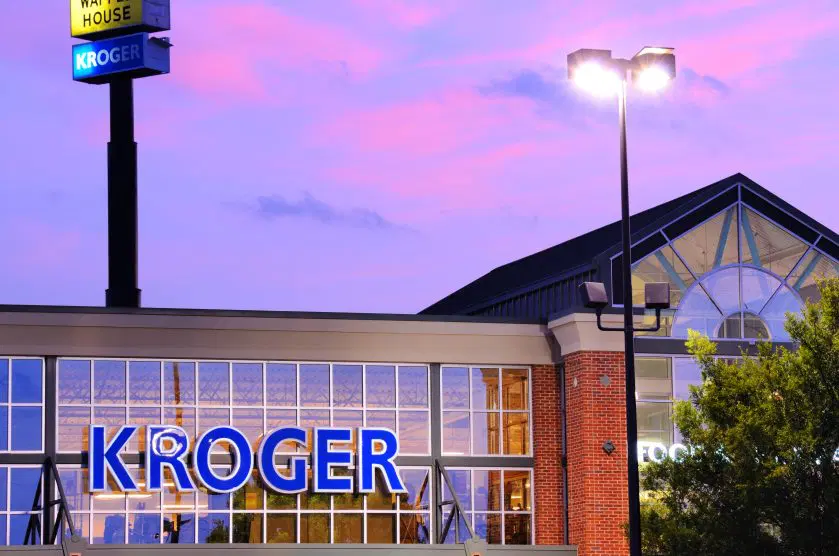
Ohio Grocery Chains Shift Strategy Why Smaller Stores Are Closing This Spring
(MENAFN- Grocery Coupon Guide)


Image Source: Shutterstock
The grocery landscape in Ohio is evolving rapidly this spring as corporate executives execute massive business strategies. Rather than simply falling victim to high rent or demographic shifts, major retail chains are making highly calculated decisions to optimize their physical real estate. The recent announcements regarding Ohio grocery closures actually represent a massive shift in how national brands approach suburban shopping in 2026. Giant corporations are actively abandoning their older buildings to fund the construction of massive regional supercenters. Understanding this strategic corporate pivot helps local shoppers anticipate exactly where the grocery industry is heading over the next decade. Let us explore exactly why Ohio grocery chains are closing specific older locations and what this strategic shift means for your daily household errands.
The Post-Merger Optimization PlanThe biggest driver behind these spring closures involves the massive footprint optimization plan currently being executed by Kroger. After federal judges officially blocked their historic merger attempt with Albertsons last year, the company immediately pivoted to strict internal restructuring. Corporate executives identified roughly 60 underperforming stores across the country that failed to meet modern revenue standards. Ohio serves as a major hub for this retail evaluation because the regional market is heavily saturated with older store formats. Closing these specific outdated locations allows the corporate office to streamline its daily operations and reinvest massive capital into the remaining stores.
The End of Small Format BuildingsThe supermarket industry no longer values the tiny neighborhood grocery stores built during the late 1990s. Modern shoppers demand huge selections of organic produce, expansive custom deli counters, and dedicated spaces for digital order pickups. The older retail buildings lack the physical square footage required to house these massive modern grocery amenities. Rather than spending millions of dollars trying to renovate a tiny, outdated building, executives prefer to shut it down completely. Liquidating these small-format stores frees up valuable cash flow that the company can use to dominate the local retail market.
Funding Massive Marketplace SupercentersThe permanent closures of these smaller stores directly fund the rapid expansion of massive new supercenters across the state. Major chains are actively transitioning toward massive Marketplace formats that directly rival giant retailers like Walmart and Target. These sprawling new buildings feature full-service pharmacies, walk-in medical clinics, and massive aisles dedicated to home goods and clothing. Supermarket executives understand that modern families want to consolidate all of their weekly errands into 1 single shopping trip. Sacrificing a few older neighborhood stores is the exact strategic financial price required to build these modern retail mega stores.
Relocating Essential Union EmployeesWhen independent discount stores close unexpectedly, the local community immediately suffers a massive loss of reliable retail jobs. However, the strategic closures executed by major unionized chains involve a completely different and highly protective labor approach. The corporate office works directly with local labor unions to ensure that essential employees do not lose their weekly paychecks. Cashiers and butchers from the closing locations are actively relocated to fully staffed roles at the newly expanded regional supercenters. This strategic labor shift protects the local workforce while ensuring the new massive stores have enough experienced staff to operate smoothly.
The Aggressive Push for Digital DominanceImage Source: Shutterstock
The physical footprint of a modern grocery store must now accommodate a massive volume of digital smartphone orders. Older Ohio stores feature narrow shopping aisles and tiny parking lots that completely bottleneck the daily curbside pickup process. Shutting down these highly congested locations allows the company to route all digital orders to newer stores designed specifically for digital fulfillment. These modern buildings feature dedicated backroom staging areas and specialized parking zones reserved exclusively for busy digital shoppers. Streamlining this digital infrastructure is necessary to compete with the aggressive delivery networks currently dominating the retail landscape.
Redefining the Ohio Grocery ExperienceThe supermarket industry is not dying, but it is undergoing a massive physical transformation to meet modern consumer demands. The strategic closure of older grocery stores proves that corporate brands are willing to sacrifice outdated real estate to secure future profits. Shoppers must quickly adapt to this new reality by transitioning their weekly trips to these massive regional supercenters. While losing a tiny neighborhood store is frustrating, the new massive formats provide unparalleled retail convenience and extreme product variety. Understanding this corporate retail strategy helps you navigate the changing Ohio market with absolute financial confidence this spring.
Do you prefer shopping at a massive supercenter or a tiny neighborhood grocery store? Share your favorite shopping habits in the comments below!

Legal Disclaimer:
MENAFN provides the
information “as is” without warranty of any kind. We do not accept
any responsibility or liability for the accuracy, content, images,
videos, licenses, completeness, legality, or reliability of the information
contained in this article. If you have any complaints or copyright
issues related to this article, kindly contact the provider above.
Most popular stories
Market Research

More Story








Comments
No comment