




403
Sorry!!
Error! We're sorry, but the page you were looking for doesn't exist.
Israel-Lebanon Ceasefire No Tidy End To Fighting, Hormuz Shutdown
(MENAFN- Asia Times)
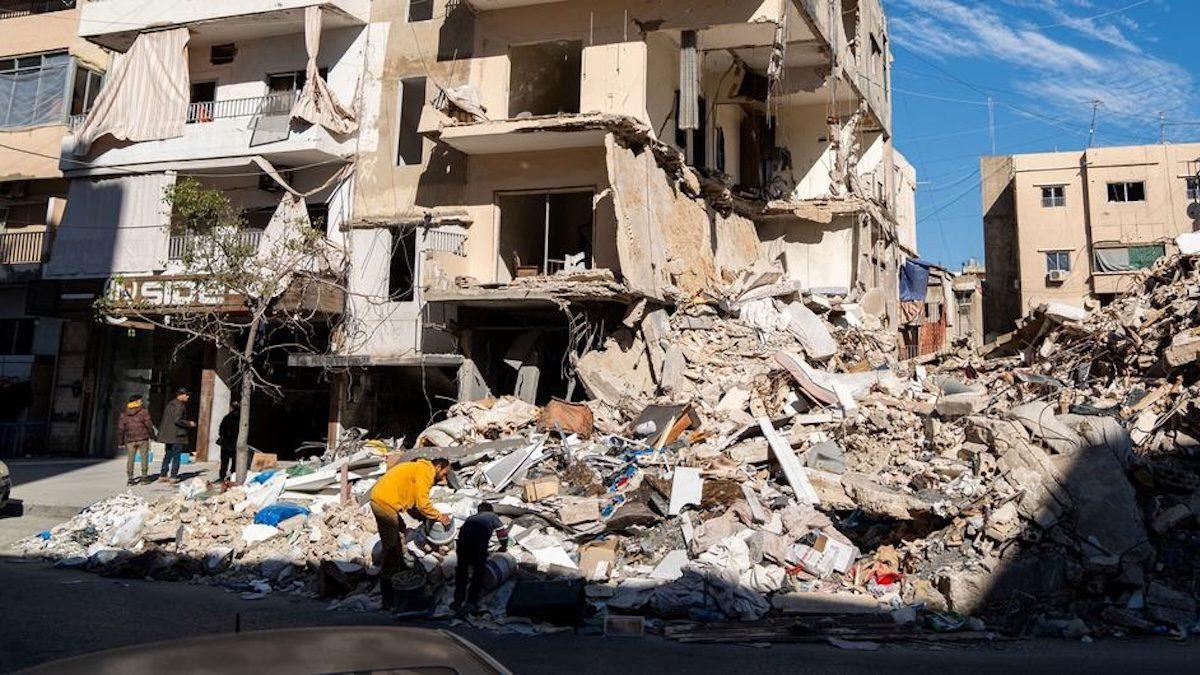
After weeks of bombardments in southern Lebanon that have killed more than 2,000 people and displaced more than one million residents Israel has announced a ten-day ceasefire with Lebanon, prompting Iran to declare the Strait of Hormuz“completely open” – although US President Donald Trump said the US blockade“will remain in full force” until there's an Iran peace deal.
Israeli Prime Minister Benjamin Netanyahu, meanwhile, vowed to keep Israeli troops in southern Lebanon to create a ten-kilometer“security zone,” raising immediate questions about whether the ceasefire would actually stop Israeli attacks against Hezbollah.
After a previous ceasefire in late 2024 ended 13 months of fighting between Israel and Hezbollah, Israeli troops continued to launch airstrikes and carry out targeted killings of Hezbollah fighters.
People like to bound events such as wars with tidy dates and years. It makes them easier to understand and entertains the fantasy that historic events are neat, with understandable beginnings, middles and eventual ends.
But in reality, the messiness and complexities of war rarely hold to these manmade boundaries.
Instead, even after a ceasefire or a peace agreement is in place, many dynamics of war continue. This is the paradox of such agreements: they might end one phase of a conflict, but they inevitably usher in another.
The good and bad of ceasefiresTake Israel's war in Gaza as an example.
The war came to an end after Israel and Hamas signed the Gaza Peace Plan, a 20-point deal brokered by the Trump administration, in October 2025.

Legal Disclaimer:
MENAFN provides the
information “as is” without warranty of any kind. We do not accept
any responsibility or liability for the accuracy, content, images,
videos, licenses, completeness, legality, or reliability of the information
contained in this article. If you have any complaints or copyright
issues related to this article, kindly contact the provider above.
Most popular stories
Market Research

More Story








Comments
No comment