






403
Sorry!!
Error! We're sorry, but the page you were looking for doesn't exist.
The Fiber Optic Industry Enters A Low-Carbon Era: The Future Of Sustainable Connectivity
(MENAFN- GetNews) Oyi International., Ltd. is a dynamic and innovative fiber optic cable company based in Shenzhen, China. Since its inception in 2006, OYI has been dedicated to providing world-class fiber optic products and solutions to businesses and individuals across the globe the world accelerates toward carbon neutrality, the fiber optic industry is undergoing a clear transformation. No longer focused solely on speed and bandwidth, fiber networks are now recognized as a key component of sustainable digital infrastructure. This shift is gradually reshaping how communication networks are designed and deployed.
Growing Demand for Low-Carbon Networks
The expansion of cloud computing, 5G, and data centers has significantly increased global energy consumption. Against this backdrop, energy-efficient communication solutions are becoming more important than ever. Compared with traditional copper networks, fiber optics offer a more sustainable alternative, helping operators reduce both power usage and long-term operating costs.
Why Fiber Optics Are More Energy-Efficient
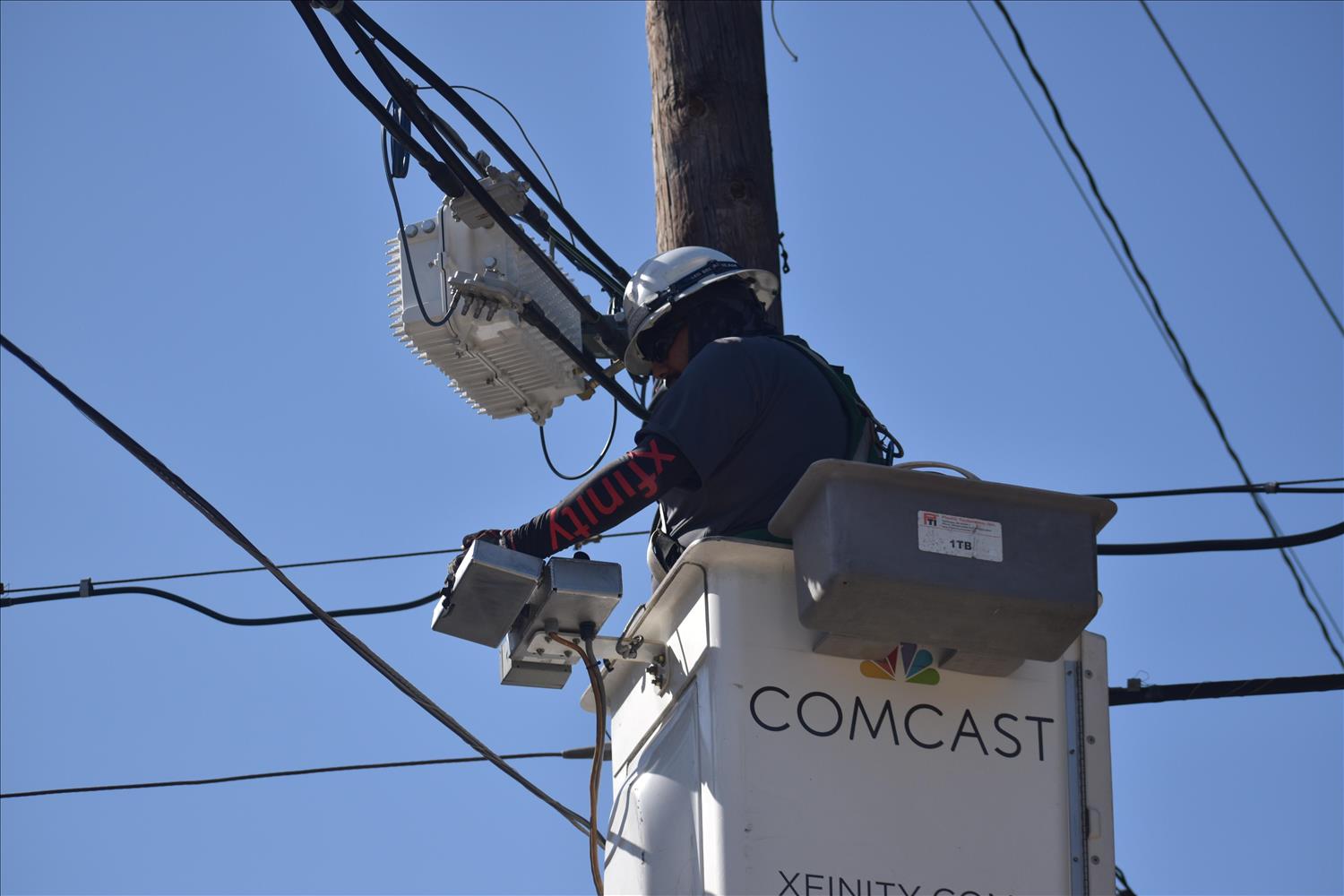
Fiber optic cables transmit data using light rather than electrical signals. This reduces heat generation and minimizes energy loss during transmission. As a result, networks require less power to maintain performance, especially over long distances.
In addition, fiber systems need fewer signal boosters, which further lowers electricity consumption. For large-scale networks, this efficiency can make a noticeable difference in overall carbon emissions.
Longer Lifespan, Lower Environmental Impact
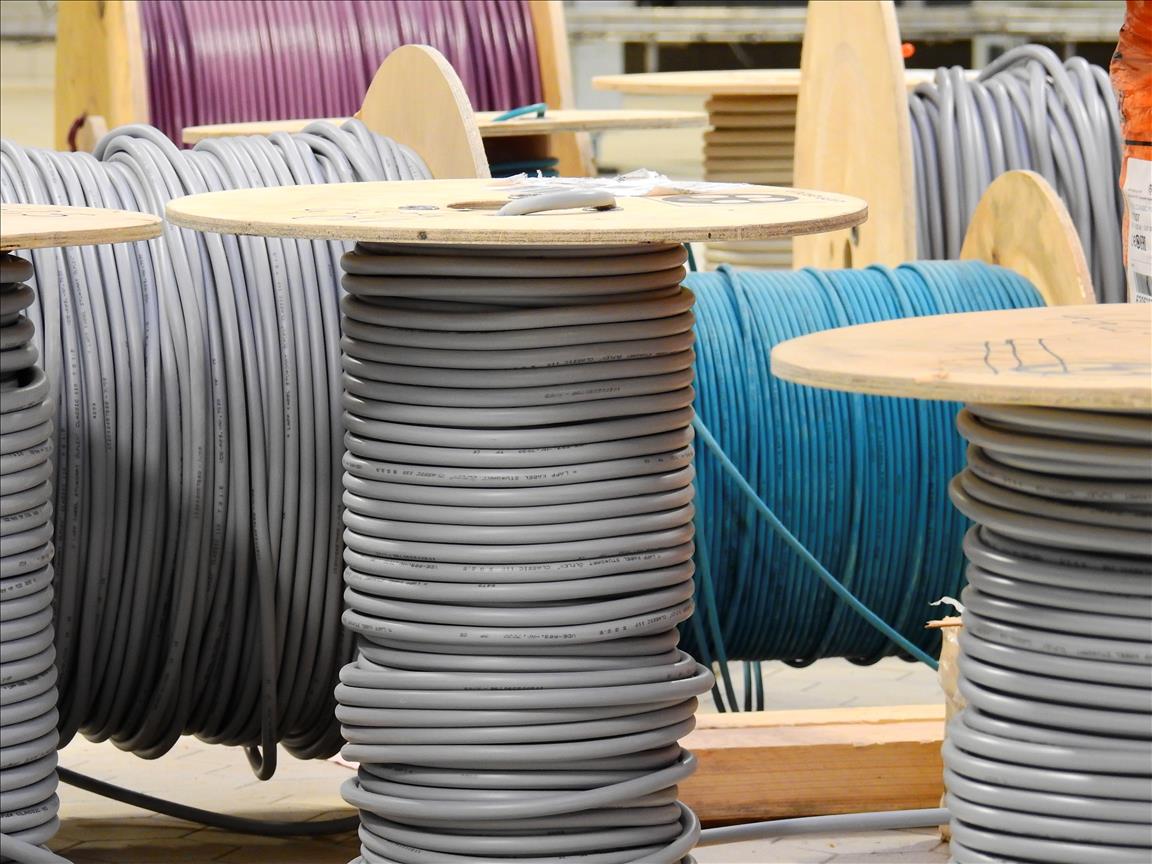
Another important advantage is durability. Fiber optic cables can last more than 25 years, reducing the frequency of replacement and maintenance. This not only lowers costs but also cuts down on material waste lighter weight also means fewer raw materials are required during manufacturing and transportation, contributing to a smaller environmental footprint throughout the product lifecycle.

Greener Manufacturing Practices
Sustainability is no longer limited to the product itself. Many manufacturers are improving their production processes by adopting environmentally friendly materials and reducing emissions. Efforts such as using recyclable or halogen-free materials, optimizing energy use in factories, and reducing packaging waste are becoming increasingly common. These changes are helping the industry move toward more responsible and sustainable production.
Enabling a More Sustainable Digital Economy
Fiber optics do more than reduce emissions within the telecom sector-they also support sustainability across other industries. Reliable high-speed connectivity enables remote work, smart city systems, and digital services that reduce unnecessary travel and improve resource efficiency. In this way, fiber networks are becoming the backbone of a more efficient and low-carbon economy.
Challenges and Future Outlook
Despite these advantages, challenges remain. High initial deployment costs and the need for better recycling solutions are still issues the industry must address. However, with ongoing technological improvements and stronger environmental policies, these barriers are gradually being reduced. Looking ahead, fiber optics will play an increasingly important role in building a cleaner, more connected world. As demand for sustainable solutions continues to grow, the industry is well positioned to support the transition to a low-carbon future.

Legal Disclaimer:
MENAFN provides the
information “as is” without warranty of any kind. We do not accept
any responsibility or liability for the accuracy, content, images,
videos, licenses, completeness, legality, or reliability of the information
contained in this article. If you have any complaints or copyright
issues related to this article, kindly contact the provider above.
Most popular stories
Market Research

More Story







Comments
No comment