




403
Sorry!!
Error! We're sorry, but the page you were looking for doesn't exist.
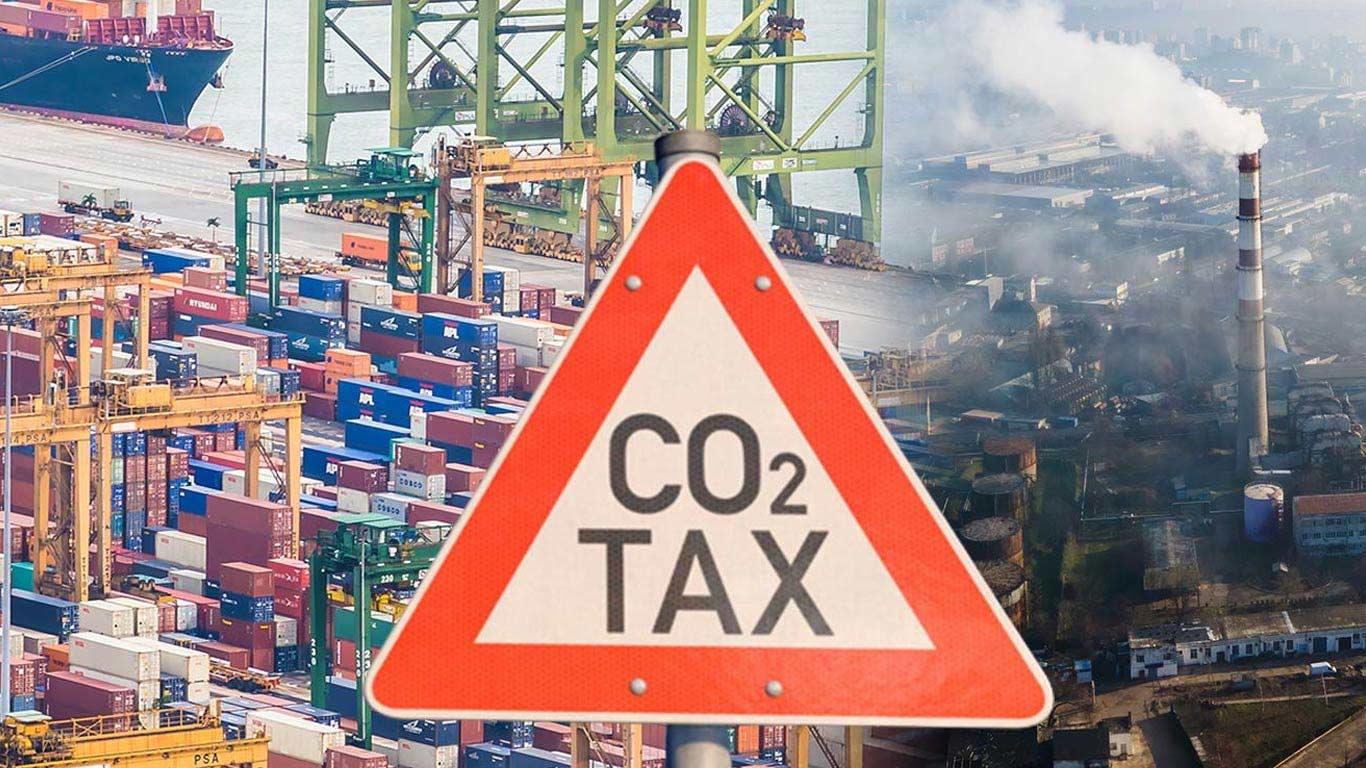
EU May Expand CBAM, Raising Carbon Costs For Indian Exports: GTRI
(MENAFN- KNN India)
New Delhi, Apr 17 (KNN) The European Union (EU) is considering a significant expansion of its Carbon Border Adjustment Mechanism (CBAM), a move that could raise carbon-related costs for Indian exports to Europe, according to the Global Trade Research Initiative (GTRI).
CBAM is a border carbon tax that imposes a cost on emissions embedded in imported goods, effectively placing foreign manufacturers under similar carbon pricing as European producers.
Proposed Changes Under Consideration
In a draft report released on April 10, 2026, the European Parliament's Committee on the Environment, Climate and Food Safety proposed key changes to the mechanism.
These include expanding the scope of CBAM to around 180 additional steel- and aluminium-based manufactured products from January 1, 2028, and tightening carbon accounting rules-particularly for scrap-based production-by including emissions from pre-consumer scrap, PTI reported, citing GTRI.
The proposal also considers extending the levy to indirect emissions, such as those arising from electricity use, across more sectors.
Impact on Indian Exporters
GTRI Founder Ajay Srivastava said, "Together, these steps would turn CBAM from a tax mainly on steel and aluminium raw materials into a much wider carbon tax covering manufactured industrial goods."
He added that the proposed expansion is expected to bring a wide range of additional products under the Carbon Border Adjustment Mechanism (CBAM), including fabricated metal products, tubes and pipes, fasteners, structural components, machinery parts, aluminium containers, and other semi-finished and finished engineering goods.
Although the EU has not yet released a detailed product list, the proposed changes indicate that the mechanism will move deeper into the manufacturing value chain, Srivastava noted.
The GTRI Founder said, "The European Union is planning a major expansion of its CBAM. This move could sharply increase carbon tax costs on Indian manufactured exports to Europe."
Need for Industry Adaptation
Currently, CBAM applies to sectors such as iron and steel, aluminium, cement, fertilisers, hydrogen, and electricity.
He warned that, from January 2028, Indian exporters of engineering goods, auto components, fabricated metal products, machinery, aluminium products, and other industrial goods may increasingly face carbon taxes when exporting to Europe.
(KNN Bureau)

Legal Disclaimer:
MENAFN provides the
information “as is” without warranty of any kind. We do not accept
any responsibility or liability for the accuracy, content, images,
videos, licenses, completeness, legality, or reliability of the information
contained in this article. If you have any complaints or copyright
issues related to this article, kindly contact the provider above.
Most popular stories
Market Research

More Story






Comments
No comment