




403
Sorry!!
Error! We're sorry, but the page you were looking for doesn't exist.

Indian Government Assures Farmers Of Fertiliser Supply This Summer Sowing Season
(MENAFN- Khaleej Times) [Editor's Note: Follow the Khaleej Times live blog for the latest regional developments with the
US-Israel-Iran ceasefire
now in effect.]![Renaissance Services acquires Socat as part of new growth strategy]() Renaissance Services acquires Socat as part of new growth strategy Early morning warehouse fire in Dubai's Al Quoz under control; no injuries reported
Renaissance Services acquires Socat as part of new growth strategy Early morning warehouse fire in Dubai's Al Quoz under control; no injuries reported
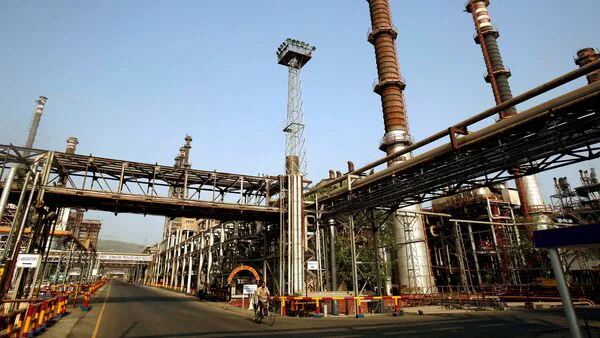
Following the Middle East conflict, there are fears among Indian farmers of fertiliser shortage this summer sowing season. Prime Minister Narendra Modi, however, assured adequate arrangements are in place as domestic production of urea, DAP (Diammonium phosphate) and NPK (nitrogen, phosphorus and potassium) has been expanded.
Recommended For YouIndia imports 30 per cent of its fertilisers, and the Gulf region accounts for a bulk of it. A government spokesperson said India, the world's second-largest fertiliser user after China, has adequate stocks and is in a comfortable position.
"The department of fertilisers, through a combination of domestic production hikes and a sophisticated global procurement strategy, has moved to insulate Indian farmers from global supply chain volatilities", he added.
India's fertiliser stock on Wednesday stood at 18.4 million tonnes, according to the government, as against 16 million tonnes last year in April.
Stay up to date with the latest news. Follow KT on WhatsApp channels.
But there are fears that the Middle East conflict endangers India's fertiliser access at a pivotal moment.
“Availability is strained, prices are rising (with urea already volatile globally) and prolonged issues could threaten yields, inflate subsidy burdens and undermine food security for 1.4 billion people,” MP Sukumaran Nair, director, Centre for Green Technology & Management and special secretary, Kerala, told Khaleej Times on Thursday.
While India is monitoring stocks and could accelerate domestic production or diversify sources,“the Gulf's centrality, bolstered by recent strategic deals, means short-term alternatives are limited,” he said.
India imports a significant portion of its fertilisers through the Arabian Gulf and the Strait of Hormuz is vital for the country's food security, noted Nair. It imports urea, ammonium sulphate, MAP (Monoammonium phosphate), potash, rock phosphate, sulphur, ammonia, phosphoric acid, natural gas, DAP, NP (nitrogen-phosphorous), and NPK from the region. Almost a quarter of India's total fertilisers are from the Gulf, which is the primary hub for urea, sulphur and ammonia.
Farmers begin buying urea (India is the world's largest importer of urea, sourcing 10 million tonnes globally) for the monsoon crop season (known as 'Kharif'), when sowing begins in June and July and harvesting in September and October.
The 'Rabi' (winter crops) season sees sowing in October-December and harvesting in April-June. Natural gas is the key for urea production and India imports the bulk of it from the Gulf.
Earlier this week, the Indian government also raised the subsidy for fertilisers.
ALSO READ- India hikes fertiliser subsidy as costs soar after Middle East war Strait of Hormuz closure disrupts India's fertiliser supply ahead of sowing season Not just LPG: India's agriculture, exports also impacted by US-Israel-Iran war

Legal Disclaimer:
MENAFN provides the
information “as is” without warranty of any kind. We do not accept
any responsibility or liability for the accuracy, content, images,
videos, licenses, completeness, legality, or reliability of the information
contained in this article. If you have any complaints or copyright
issues related to this article, kindly contact the provider above.
Most popular stories
Market Research

More Story





Comments
No comment