




403
Sorry!!
Error! We're sorry, but the page you were looking for doesn't exist.
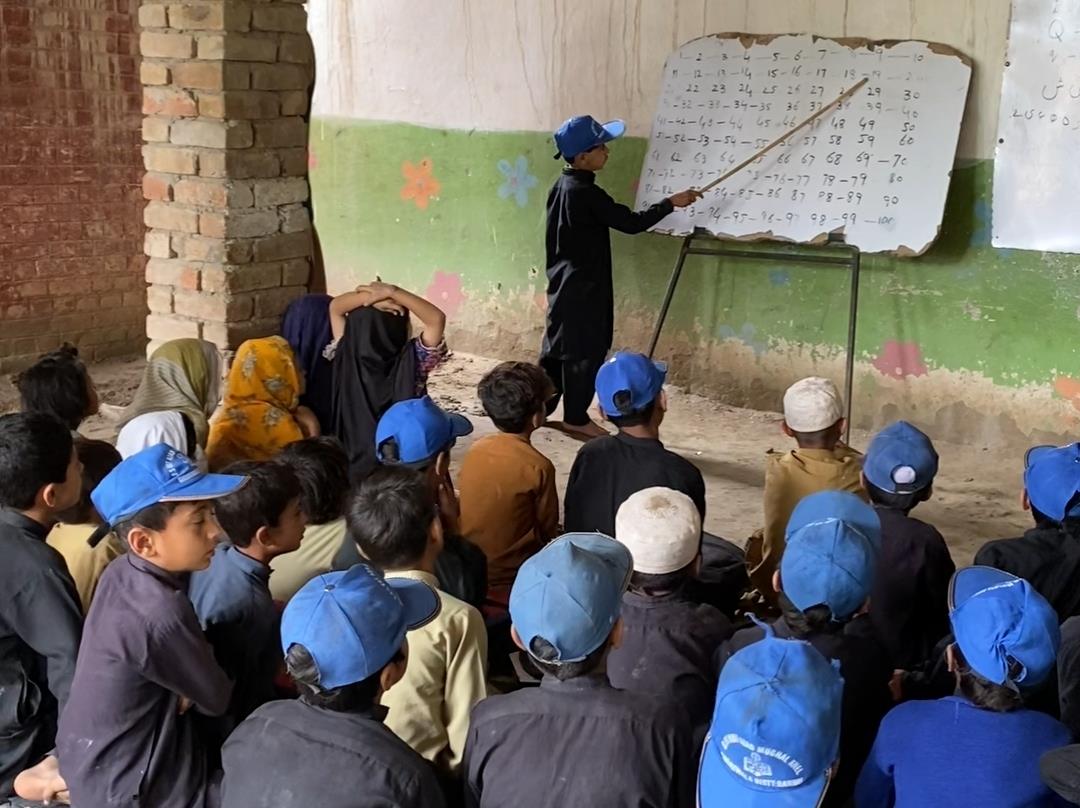
North Waziristan: How Did Zarb-E-Azb Disrupt Education For Thousands Of Children?
(MENAFN- Tribal News Network) By Salman Khan
Thousands of families from North Waziristan are still waiting to return to their homes, lands, businesses, and unfinished dreams.
The people affected by Operation Zarb-e-Azb in North Waziristan are still forced to live difficult lives. Although the operation against terrorism began in June 2014 and many years have passed, the problems of the families who made the greatest sacrifices still remain unresolved.
Shahab Wazir belongs to the Madakhel tribe of North Waziristan. At the time of displacement, he was a middle school student, while his father, Gul Nawaz Khan, ran a grocery store in Miranshah. Around 13 years ago, due to insecurity and fear, their family, like thousands of others, was forced to leave their home.
Also Read: In Tirah Valley, Education Continues Under Trees as Facilities Remain Absent
Initially, Shahab's family reached the Bakakhel TDPs camp in Bannu, but due to lack of space, they moved to a rented house in Bannu Township. The sudden displacement not only affected their financial stability but also severely disrupted Shahab's education.
According to Shahab, life completely changed after leaving home. His father's business collapsed, and it became difficult to manage rent and other expenses. After some time, his father started working as a laborer, while Shahab also worked alongside his studies. However, due to financial pressure, he eventually had to quit his education and start driving a rickshaw.
He says that as the eldest son, he was aware of his responsibilities and wanted to complete his education and secure a government job, while his father wished for him to take over the business. But circumstances changed his priorities. Currently, both Shahab and his father drive rickshaws in Bannu to support the family.
As a result of Operation Zarb-e-Azb, more than 110,000 families were affected.
According to local elders, around 18,000 families from the Madakhel tribe and other parts of North Waziristan are still living in rented houses or temporary shelters in Bannu, Lakki Marwat, Peshawar, and other areas.
Tribal elders say that a large number of affected families have not been able to return to their ancestral areas due to lack of basic facilities and incomplete rehabilitation.
The impact of displacement has been most severe on children, youth, and women. According to the Education Department of North Waziristan, more than 100,000 children were out of school in 2014.
Educational facilities in camps were limited, and children who moved to different cities could not find a stable learning environment.
As a result, many children never resumed their education, while others, like Shahab, were unable to continue due to financial pressure, changes in environment, and other challenges.
Continuous displacement and uncertainty also severely damaged the economic system of affected families. Those involved in agriculture, trade, and local businesses were forced to leave everything behind, while labor or temporary jobs in urban areas could not provide a lasting solution to their problems.
The affected people demand that the government ensure the return of the remaining families, compensate for their losses, provide education and employment opportunities, and restore basic facilities in the affected areas.
On the other hand, the district administration of North Waziristan says that the return of the remaining displaced families will be ensured once the relevant areas are fully cleared.

Legal Disclaimer:
MENAFN provides the
information “as is” without warranty of any kind. We do not accept
any responsibility or liability for the accuracy, content, images,
videos, licenses, completeness, legality, or reliability of the information
contained in this article. If you have any complaints or copyright
issues related to this article, kindly contact the provider above.
Most popular stories
Market Research

More Story





Comments
No comment