




403
Sorry!!
Error! We're sorry, but the page you were looking for doesn't exist.
The 'Survival' Garden: 7 Essential Crops Every Budget Gardener Needs Now
(MENAFN- Frugal Gardening) Image source: Shutterstock
The grocery bill keeps climbing, and the cart fills up faster than the wallet can keep up. That reality has pushed more people to look at their backyards, balconies, and even windowsills in a completely new way. Food no longer feels like something that simply appears at the store; it feels like something that can-and should-start right at home. A survival garden doesn't mean living off the grid or turning the yard into a full-blown farm. It means choosing smart, reliable crops that deliver serious value without draining time or money.
The smartest gardeners don't chase trendy plants or complicated setups. They focus on crops that produce consistently, pack real nutrition, and keep producing long after that first harvest. A true survival garden works harder than a decorative one, and every plant earns its spot by proving its worth. Some crops grow fast, some store well, and others keep giving all season long, but together they create a system that cuts grocery costs and boosts food security.
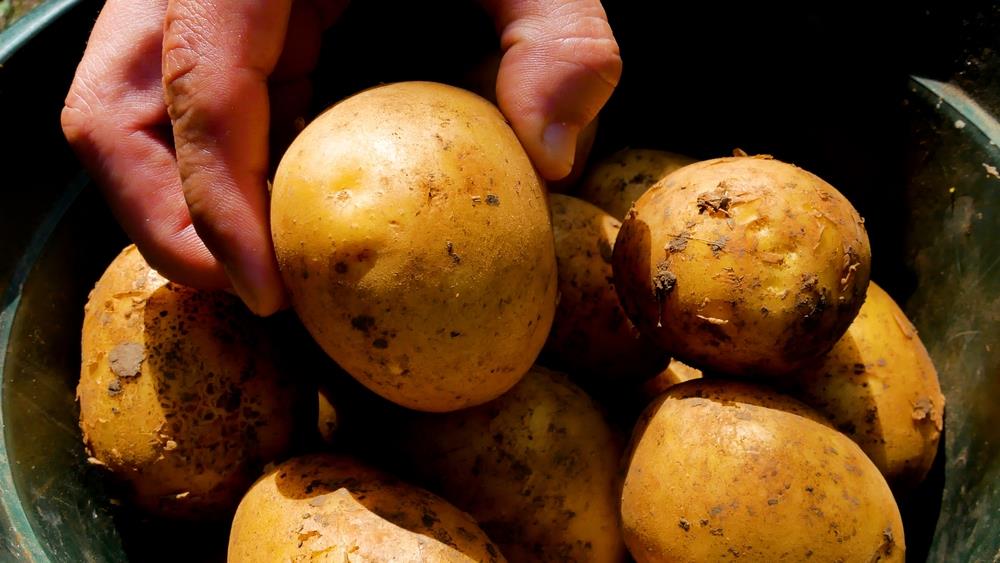
1. Potatoes: The Underground Powerhouse That Keeps GivingPotatoes deserve a standing ovation in any survival garden because they combine calories, versatility, and surprisingly high yields in one humble plant. A single seed potato can multiply into several pounds of food, which makes it one of the most efficient crops to grow on a budget. Gardeners can grow them in the ground, in raised beds, or even in containers like buckets or grow bags, which opens the door for people with limited space. That flexibility alone makes potatoes a go-to choice for anyone trying to maximize output without expanding their garden footprint.
Beyond their productivity, potatoes store exceptionally well when kept in a cool, dark place, which means they continue feeding households long after harvest season ends. They also work in countless recipes, from simple roasted dishes to hearty soups, so they never feel repetitive or boring. Gardeners who choose early, mid-season, and late varieties can stretch their harvest across months instead of weeks. Keeping soil loose and well-drained helps tubers develop properly, while consistent watering prevents cracks and uneven growth. Anyone serious about building a survival garden should treat potatoes as a foundational crop rather than an afterthought.
2. Beans: Small Seeds, Big ReturnsBeans pack a punch that goes far beyond their tiny size, delivering both protein and productivity in one easy-to-grow package. They grow quickly, require minimal care, and fix nitrogen in the soil, which actually improves garden health over time. That combination of low effort and high reward makes them ideal for beginners and experienced gardeners alike. Bush beans provide fast harvests, while pole beans climb vertically and produce over a longer period, giving gardeners options depending on space and goals.
Fresh beans taste great, but dried beans unlock their true survival potential because they store for months or even years when kept properly. That long shelf life turns a simple garden harvest into a reliable pantry staple. Gardeners can stagger plantings every couple of weeks to maintain a steady supply rather than facing one overwhelming harvest. Beans also pair beautifully with other crops, especially corn and squash, in companion planting setups that maximize space and efficiency. Anyone building a budget-friendly garden should see beans as both a food source and a soil-building ally.
3. Zucchini: The Overachiever That Refuses to QuitZucchini has a reputation for producing more than anyone knows what to do with, and that reputation exists for a reason. A single plant can churn out an impressive number of fruits throughout the growing season, often faster than they can be harvested. That level of productivity makes zucchini one of the best value crops in any garden, especially when grocery prices spike during summer months. It grows quickly, thrives in warm weather, and adapts well to different soil conditions, which removes many of the common barriers that discourage new gardeners.
Harvesting zucchini while it remains small keeps the plant producing and improves flavor and texture. Letting fruits grow too large slows production and creates tougher, less enjoyable results. Zucchini works in everything from stir-fries to baked goods, and it even sneaks into recipes as a low-cost way to stretch meals further. Gardeners who feel overwhelmed by the harvest can shred and freeze zucchini for later use, which prevents waste and extends its usefulness. This plant doesn't just grow food-it floods the kitchen with possibilities.
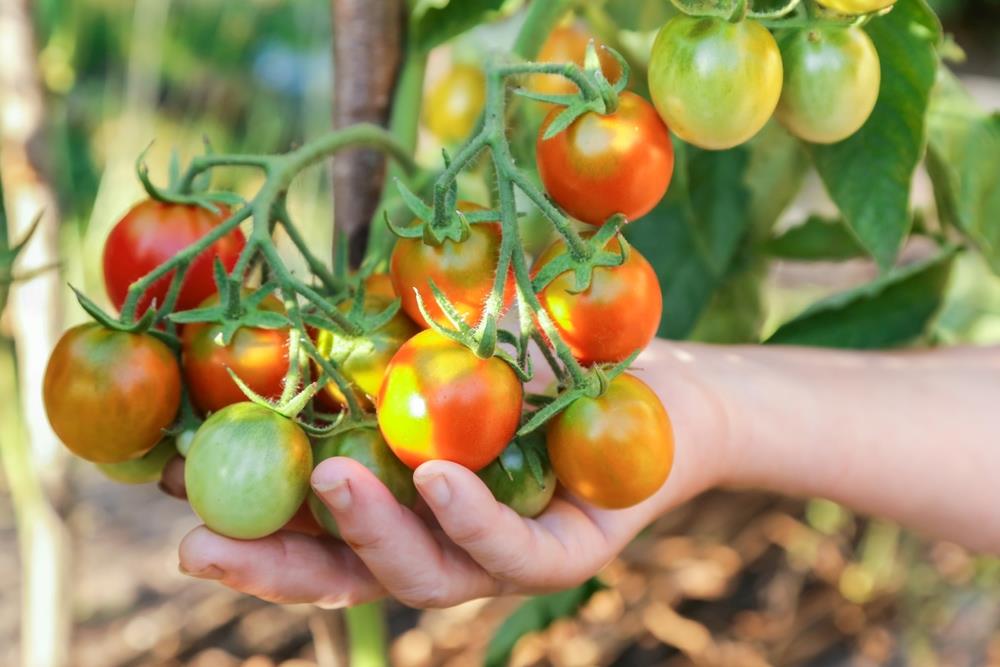
4. Tomatoes: The Flavor Upgrade That Pays OffTomatoes turn any meal into something better, and growing them at home transforms that experience entirely. Store-bought tomatoes often lack flavor because they get picked early for shipping, but homegrown varieties ripen on the vine and deliver a completely different taste. That difference alone makes them worth growing, but their productivity seals the deal for budget gardeners. With proper care, a few plants can supply pounds of fruit over the season, cutting down on grocery store runs.
Determinate varieties produce all at once, which suits gardeners who want to can or preserve large batches, while indeterminate varieties keep producing over time for a steady supply. Supporting plants with cages or stakes improves airflow and reduces disease risk, while consistent watering prevents issues like cracking. Tomatoes also freeze well and turn into sauces, salsas, and soups that last long after summer ends. Anyone aiming to build a survival garden should treat tomatoes as both a fresh ingredient and a preservation powerhouse.
Image source: Shutterstock
5. Kale: The Cold-Hardy Nutrition MachineKale doesn't flinch when temperatures drop, and that resilience makes it one of the most reliable crops for extending the growing season. While other plants fade, kale keeps producing nutrient-rich leaves that hold up in a variety of dishes. It thrives in cooler weather, which means gardeners can plant it in early spring and again in fall for multiple harvest windows. That flexibility helps stretch the garden's productivity beyond the typical growing season.
Harvesting outer leaves encourages continuous growth, allowing one plant to produce over an extended period. Kale packs vitamins and minerals into every serving, which adds real nutritional value to meals without increasing costs. It works raw in salads, sautéed as a side, or blended into smoothies, making it surprisingly versatile despite its rugged reputation. Gardeners who mulch around the base can protect roots and maintain moisture, which supports steady growth. Kale proves that a survival garden doesn't just fill stomachs-it fuels healthier eating.
6. Carrots: The Quiet Workhorse Beneath the SoilCarrots don't demand attention, but they deliver consistent results when given the right conditions. They grow best in loose, well-drained soil that allows roots to develop straight and strong. While they take a bit longer to mature than some crops, their reliability and storage potential make them worth the wait. A single planting can yield a substantial harvest, especially when gardeners thin seedlings properly to give each plant room to grow.
Carrots store well in cool conditions, which turns them into a long-term food source rather than a short-lived harvest. They also tolerate cooler temperatures, allowing for extended growing seasons in many climates. Their natural sweetness makes them appealing in both savory and sweet dishes, which adds variety without extra expense. Gardeners can succession plant carrots every few weeks to maintain a steady supply rather than harvesting everything at once. These roots may stay hidden underground, but they quietly support a well-rounded, budget-friendly food system.
7. Spinach: Fast Growth for Quick WinsSpinach delivers one of the fastest returns in the garden, often ready to harvest within weeks of planting. That speed makes it perfect for anyone looking to see quick results and build confidence early in the season. It thrives in cooler weather, which allows for planting in both spring and fall, effectively doubling its usefulness. Gardeners can harvest leaves individually or cut entire plants, depending on how they want to manage growth.
Frequent harvesting encourages new leaves, which extends the productive life of each plant. Spinach packs nutrients into every bite, making it one of the most efficient crops for boosting dietary value without increasing grocery spending. It works fresh in salads or cooked into a variety of dishes, offering flexibility in the kitchen. Providing partial shade in warmer climates helps prevent bolting, which keeps plants producing longer. Spinach proves that a survival garden doesn't have to wait months to start paying off.
Grow Smarter, Not BiggerA survival garden doesn't rely on size-it relies on strategy, consistency, and smart crop choices that deliver real value. These seven crops create a balanced system that produces calories, nutrients, and long-lasting food without overwhelming time or resources. Mixing fast growers like spinach with storage crops like potatoes and carrots builds a steady rhythm of harvests that keeps food coming in waves rather than all at once. Paying attention to soil health, watering habits, and planting timing transforms an average garden into a highly productive one.
Starting small and focusing on these essential crops builds confidence and momentum that grows season after season. Which of these crops feels like the smartest first step, and what strategies or experiences deserve a spot in the conversation? We want to hear your thoughts in the comments.

Legal Disclaimer:
MENAFN provides the
information “as is” without warranty of any kind. We do not accept
any responsibility or liability for the accuracy, content, images,
videos, licenses, completeness, legality, or reliability of the information
contained in this article. If you have any complaints or copyright
issues related to this article, kindly contact the provider above.
Most popular stories
Market Research

More Story








Comments
No comment