

403
Sorry!!
Error! We're sorry, but the page you were looking for doesn't exist.
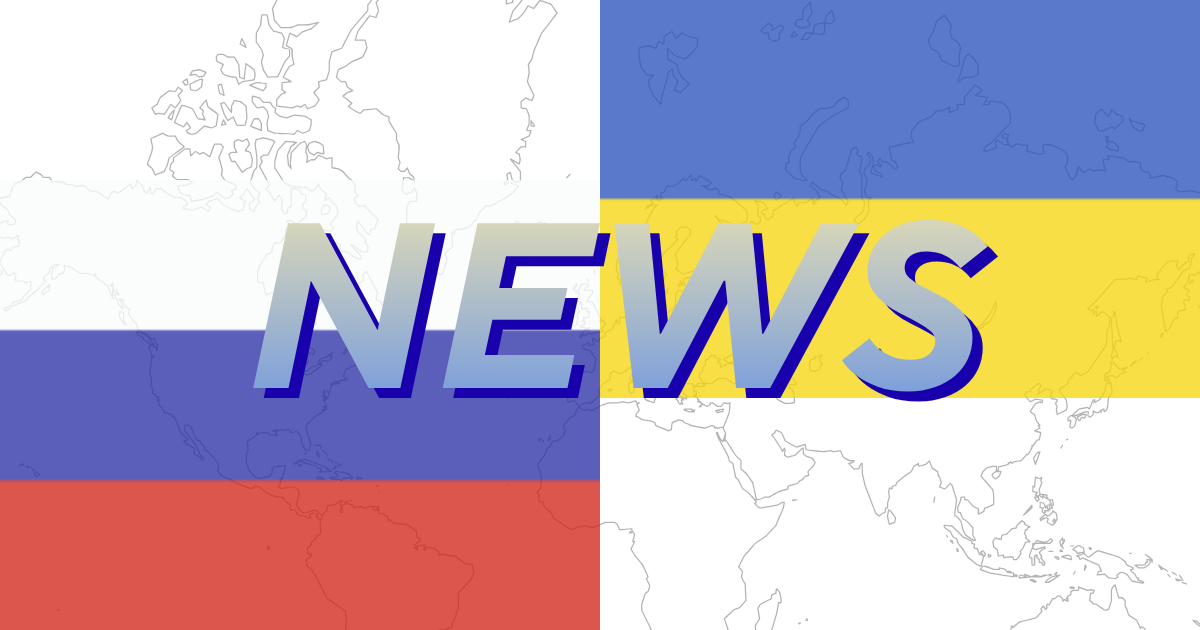
Russia, Ukraine Trade Accusations of Truce Violations


(MENAFN) Russia and Ukraine hurled mutual accusations of truce violations Sunday, as a declared 32-hour Orthodox Easter ceasefire unraveled almost immediately amid continued strikes, shelling, and mounting casualties on both sides.
The Russian Ministry of Defense claimed Ukrainian forces breached the ceasefire 1,971 times between 4 p.m. Saturday Moscow time and 8 a.m. Sunday alone. According to Moscow, Ukrainian forces launched three overnight attacks on Russian troop positions across two settlements in the Dnipropetrovsk region, while four separate attempts to advance on Russian positions in the Sumy and Donetsk regions were repelled. Russian authorities further alleged that Ukrainian strikes targeted civilian border regions, resulting in injuries.
Kyiv issued a sharply contrasting account. "As of 7:00 a.m. on 12 April, 2,299 ceasefire violations were recorded," the General Staff of the Armed Forces of Ukraine stated on Facebook, accusing Russian forces of launching dozens of airstrikes and shelling populated areas, Ukrainian troop positions, and border zones. Shelling by Russian troops in the border region of Sumy resulted in casualties, the Ukrinform news agency reported.
The truce had been announced Thursday by Russian President Vladimir Putin, covering the period from 4 p.m. Saturday through the end of Sunday. Ukrainian President Volodymyr Zelensky pledged Saturday that Ukraine would honor the ceasefire and respond "strictly in kind," while also signaling openness to an extension, saying the possibility of extending the ceasefire beyond Easter has been communicated to the Russian side.
Any prospect of prolongation appeared dim, however. Kremlin spokesman Dmitry Peskov, speaking in a state television interview released Sunday, warned that Russia would resume its military operation once the truce expired unless Zelensky "musters the courage" to make peace.
The collapse mirrors events from one year prior, when a comparable Easter ceasefire similarly dissolved into reciprocal accusations — and was not extended. Orthodox Easter ranks among the most sacred observances in the Eastern Orthodox Christian calendar, lending the failed truce particular symbolic weight.
The Russian Ministry of Defense claimed Ukrainian forces breached the ceasefire 1,971 times between 4 p.m. Saturday Moscow time and 8 a.m. Sunday alone. According to Moscow, Ukrainian forces launched three overnight attacks on Russian troop positions across two settlements in the Dnipropetrovsk region, while four separate attempts to advance on Russian positions in the Sumy and Donetsk regions were repelled. Russian authorities further alleged that Ukrainian strikes targeted civilian border regions, resulting in injuries.
Kyiv issued a sharply contrasting account. "As of 7:00 a.m. on 12 April, 2,299 ceasefire violations were recorded," the General Staff of the Armed Forces of Ukraine stated on Facebook, accusing Russian forces of launching dozens of airstrikes and shelling populated areas, Ukrainian troop positions, and border zones. Shelling by Russian troops in the border region of Sumy resulted in casualties, the Ukrinform news agency reported.
The truce had been announced Thursday by Russian President Vladimir Putin, covering the period from 4 p.m. Saturday through the end of Sunday. Ukrainian President Volodymyr Zelensky pledged Saturday that Ukraine would honor the ceasefire and respond "strictly in kind," while also signaling openness to an extension, saying the possibility of extending the ceasefire beyond Easter has been communicated to the Russian side.
Any prospect of prolongation appeared dim, however. Kremlin spokesman Dmitry Peskov, speaking in a state television interview released Sunday, warned that Russia would resume its military operation once the truce expired unless Zelensky "musters the courage" to make peace.
The collapse mirrors events from one year prior, when a comparable Easter ceasefire similarly dissolved into reciprocal accusations — and was not extended. Orthodox Easter ranks among the most sacred observances in the Eastern Orthodox Christian calendar, lending the failed truce particular symbolic weight.

Legal Disclaimer:
MENAFN provides the
information “as is” without warranty of any kind. We do not accept any
responsibility or liability for the accuracy, content, images, videos,
licenses, completeness, legality, or reliability of the information
contained in this article. If you have any complaints or copyright issues
related to this article, kindly contact the provider above.
Comments
No comment