




403
Sorry!!
Error! We're sorry, but the page you were looking for doesn't exist.
Exposure Of A Complex Network For Transporting Mercenaries And Weapons Into Sudan
(MENAFN- Sudanow Magazine)
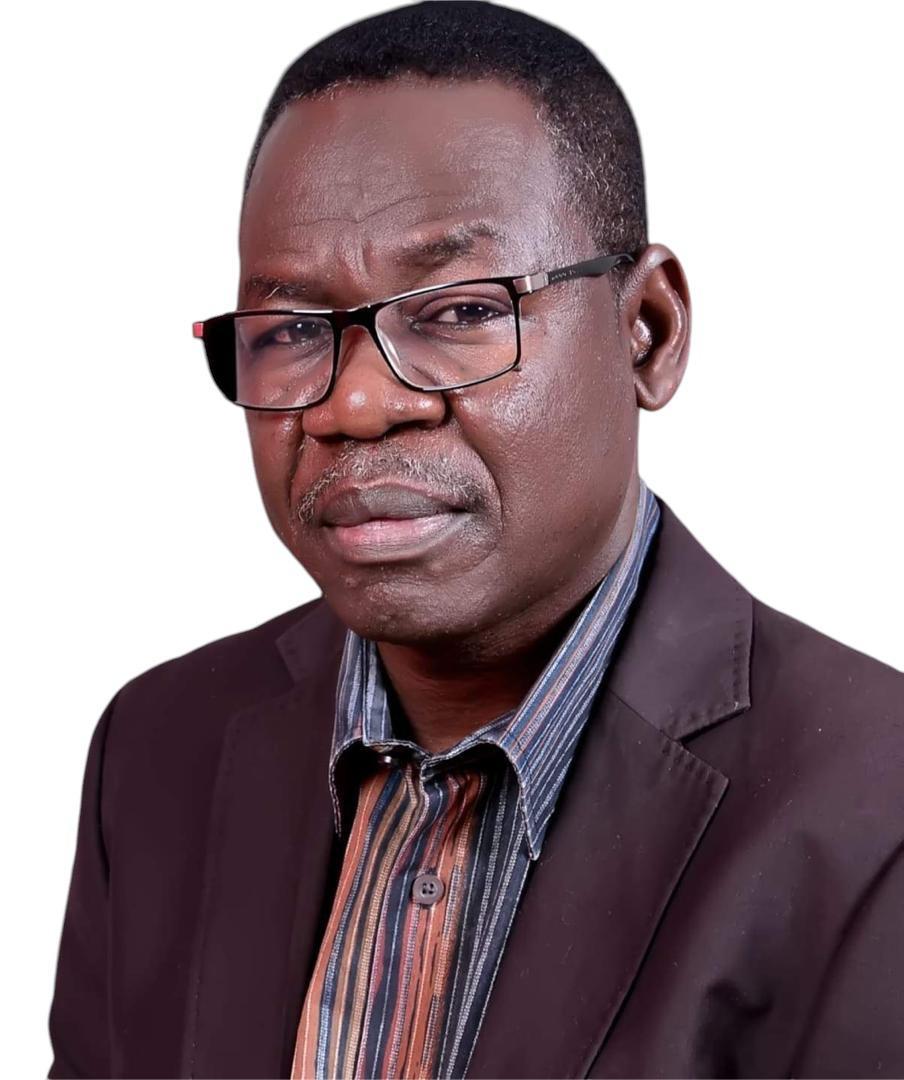
By: Ismail Jibril Tisso
UN Report... Conclusive Evidence...
Details Reveal the Hidden Dynamics of the War in Sudan... Secret Routes...
Desert Crossings by Mercenary Networks... Libya as a Gateway for Support...
Calls for International Pressure on Supporting Actors... Cutting Off Supply Lines...
General Muawiya: The Government Must Act Militarily and Diplomatically...
A report issued by the United Nations Panel of Experts on Libya has revealed that Libyan territory has become a primary platform for supporting the Rapid Support Forces (RSF) militia in Sudan, through the transfer of weapons, fuel, and mercenaries of multiple nationalities-most notably Colombian and Syrian fighters.
According to the draft report, which covers the period from October 2024 to February 2026, armed groups in eastern and southern Libya have played a central role in operating cross-border smuggling networks. These groups have leveraged the strategic location of border cities such as Al-Kufra, which has emerged as a logistical hub for assembling and transporting fighters and equipment into the Sudanese interior.
The report also documents a continuous flow of illicit weapons and confirms the presence of RSF elements inside Libya, which led to armed clashes between Sudanese factions on Libyan territory during 2025.
Context and Background
The UN experts' report comes within a highly complex regional context, where armed conflicts intersect with smuggling networks and illicit economies across the Sahel and Sahara region.
Covering the period from 2024 to 2026, the report highlights an escalation in the intensity of the war in Sudan and an increasing reliance on non-state actors-including mercenaries-in conducting military operations. This trend has coincided with weak border control in Libya and the fragmentation of armed authority, creating fertile ground for the expansion of what is known as the“war economy,” driven by fuel, weapons, and human trafficking.
Subul Al-Salam Battalion
The report highlights the covert role of the Subul Al-Salam Battalion, led by Abdulrahman Hashim, as one of the key actors managing and securing supply chains between Libya and Sudan.
Between January 2025 and January 2026, the battalion reportedly consolidated its control over logistical routes used for transporting fighters, weapons, and equipment. It benefited from tribal connections and its ability to maneuver across multiple routes.
Its role extended beyond transportation to include:
Providing protection and escort for fighters
Securing fuel and spare parts
Deploying field units in support of RSF movements
This was particularly evident in strategic areas such as Al-Uwaynat.
Flow of Foreign Mercenaries
The report sheds light on a growing pattern of reliance on foreign mercenaries. Colombian fighters were reportedly transported via Libya to fight alongside the RSF, using Al-Kufra as a key transit point.
Similarly, the report documents a sustained presence of Syrian mercenaries across multiple locations in Libya, including Tripoli, Misrata, and military bases such as Al-Yarmouk and Ma'tan Al-Sarra. These fighters participated in armed confrontations during 2025 and were mobilized during periods of heightened tension as a rapid-response force.
The movement of mercenaries relies on organized smuggling networks that utilize:
Complex desert routes
Military-grade vehicles
Parallel logistical corridors
ensuring a steady and continuous flow of fighters and military supplies.
War Economy Dynamics
The transport of mercenaries has evolved beyond a purely military function into a profitable economic enterprise that fuels regional smuggling networks.
According to the UN report, armed groups in Libya generate significant revenue from trafficking fuel, weapons, and fighters. This has led to the emergence of a parallel market extending across Libya, Sudan, Chad, and Niger.
The report also documents cases where ammunition destined for Sudan was resold in other markets, including to entities linked to illicit activities such as gold smuggling-highlighting the deep entanglement between the war economy and transnational organized crime.
Calls for Urgent Action
Military and strategic expert Dr. Muawiya Ali Awadallah warned of the seriousness of these developments, stating that the internationalization of the conflict through mercenaries poses a direct threat to Sudan's national and regional security.
In his remarks, he emphasized that addressing this phenomenon requires a comprehensive government response, including:
Security and Military Measures:
Strengthening border surveillance
Targeting supply lines
Enhancing aerial reconnaissance capabilities
Political and Diplomatic Measures:
Activating international and regional channels to pressure supporting actors
Raising the issue in international forums
He also stressed the importance of coordination with neighboring countries to secure borders and combat smuggling networks, calling on the international community to assume its responsibilities in halting the financing and arming of militias.
Critical Conclusion
The findings of the UN Panel of Experts reveal a deeply complex landscape where geography intertwines with competing interests, and borders transform into open corridors for war.
Libya has shifted from being merely a neighboring state to becoming a central node in a transnational supply network, fueling the Sudan conflict with foreign fighters and military equipment amid a growing war economy.
As the conflict expands, the fundamental challenge remains whether states and the international community can contain these networks and restore regional security-before the entire region devolves into an open theater of endless conflict.

Legal Disclaimer:
MENAFN provides the
information “as is” without warranty of any kind. We do not accept
any responsibility or liability for the accuracy, content, images,
videos, licenses, completeness, legality, or reliability of the information
contained in this article. If you have any complaints or copyright
issues related to this article, kindly contact the provider above.
Most popular stories
Market Research

More Story






Comments
No comment