



403
Sorry!!
Error! We're sorry, but the page you were looking for doesn't exist.
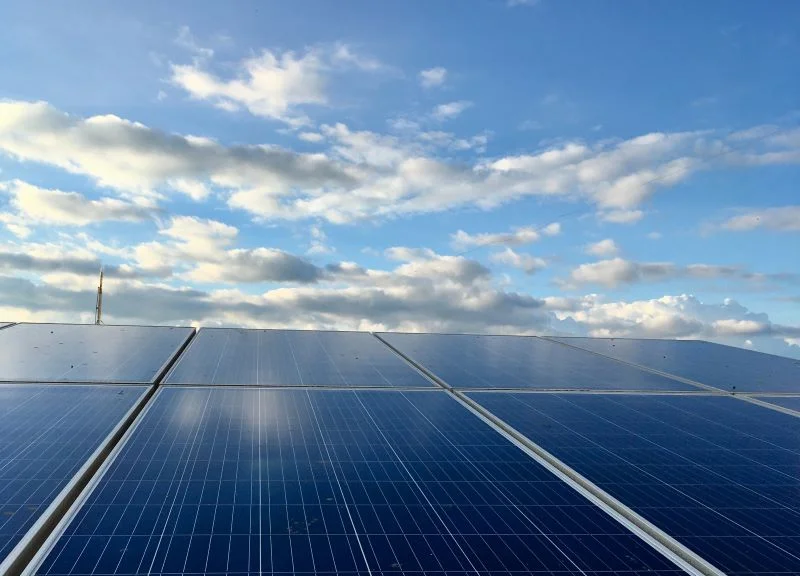
Qatar Power Project Secures Landmark JBIC Financing
(MENAFN- The Arabian Post)
Arabian Post Staff -Dubai
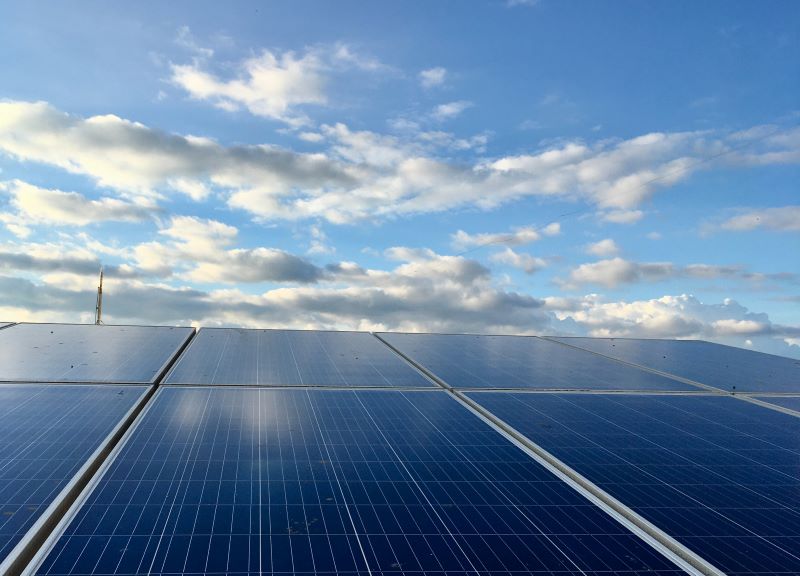
Ras Abu Fontas Power, a project company linked to one of Qatar's largest power and water complexes, has signed a financing agreement of about $990 million with the Japan Bank for International Cooperation, marking one of the most substantial bilateral development-backed commitments to the Gulf's utilities sector this year. The agreement underpins the long-term funding structure of the Ras Abu Fontas facility, a cornerstone asset supporting electricity and desalinated water supply to the Qatari grid.
The JBIC-backed tranche forms part of a wider $2.97 billion co-financing package arranged alongside a group of international and regional lenders. These include the Export-Import Bank of Korea, Korea Development Bank and KEXIM Global Singapore, reflecting strong multilateral confidence in the project's cash-flow profile and sovereign-linked off-take arrangements. The scale and diversity of lenders involved point to sustained appetite for infrastructure exposure in the Gulf, even as global borrowing costs remain elevated.
Ras Abu Fontas Power is structured as a special-purpose vehicle and is jointly owned by a consortium that blends local energy interests with Asian strategic investors. The shareholder base comprises Qatar Electricity & Water Co with a 55% stake, Sumitomo Corp holding 17%, Shikoku Electric Power with 11%, Korea Overseas Infrastructure & Urban Development at 6%, Korea Southern Power also at 6%, and QatarEnergy with the remaining 5%. The ownership mix mirrors a broader pattern in Gulf infrastructure, where host-country utilities partner with overseas operators and financiers to share risk and technical expertise.
At the centre of the deal is Japan Bank for International Cooperation, a policy-driven lender that supports overseas business activities of Japanese companies and promotes economic cooperation. Its participation is closely tied to the presence of Japanese equity investors and technology providers in the Ras Abu Fontas project, aligning with JBIC's mandate to back projects that strengthen supply chains and energy security links between Japan and resource-rich partners.
See also Dubai makes a strong case for creatorsThe wider financing package brings together lenders with complementary strategic interests. Export-Import Bank of Korea and Korea Development Bank are long-standing supporters of overseas infrastructure led by Korean companies, while KEXIM Global Singapore provides an offshore platform for export finance tied to Asian projects. Their involvement reflects the significant Korean shareholding in Ras Abu Fontas and the role of Korean engineering and operational expertise in large-scale power and desalination assets.
Ras Abu Fontas is part of a complex that has evolved over several phases to meet rising electricity and water demand. The plant operates under long-term arrangements that provide revenue visibility, a factor that has been critical in securing competitive financing terms despite tighter global liquidity. Industry analysts note that projects with contracted off-take and strategic government backing continue to attract multibillion-dollar funding, even as investors scrutinise construction risk, fuel supply arrangements and environmental compliance more closely.
For Qatar, the financing supports ongoing efforts to ensure reliable utility supply while managing fiscal exposure through project finance structures. The country's power and water sector has increasingly relied on independent power and water projects, drawing in foreign capital and expertise while keeping tariffs and capacity expansion aligned with national planning. The Ras Abu Fontas deal also fits within a broader push to deepen ties with Asian partners that are both major energy consumers and sources of long-term capital.
From the lenders' perspective, the transaction highlights how policy banks and export credit agencies are reinforcing their presence in the Gulf. As energy systems transition and desalination capacity expands, utilities that combine scale, proven technology and stable regulatory frameworks are seen as lower-risk entry points. The involvement of multiple export credit agencies also spreads exposure and enhances the project's resilience to market volatility.
See also Ras Al Khaimah endures record rainfall amid severe stormsNotice an issue? Arabian Post strives to deliver the most accurate and reliable information to its readers. If you believe you have identified an error or inconsistency in this article, please don't hesitate to contact our editorial team at editor[at]thearabianpost[dot]com. We are committed to promptly addressing any concerns and ensuring the highest level of journalistic integrity.

Legal Disclaimer:
MENAFN provides the
information “as is” without warranty of any kind. We do not accept
any responsibility or liability for the accuracy, content, images,
videos, licenses, completeness, legality, or reliability of the information
contained in this article. If you have any complaints or copyright
issues related to this article, kindly contact the provider above.
Most popular stories
Market Research

More Story







Comments
No comment