





403
Sorry!!
Error! We're sorry, but the page you were looking for doesn't exist.
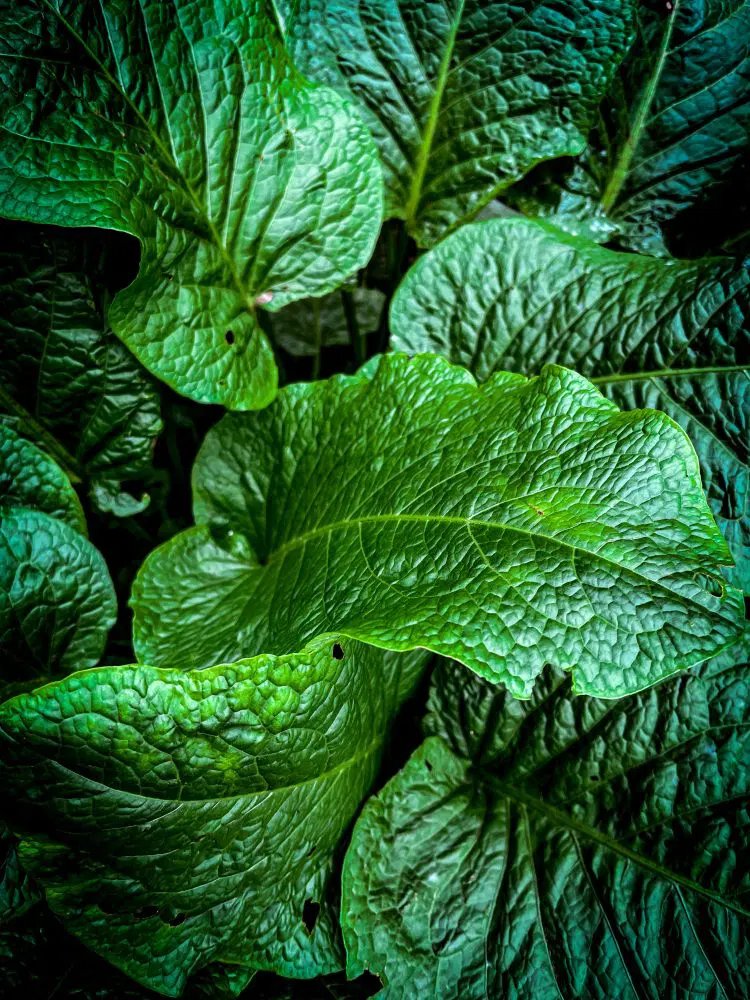
Is Your Produce Safe Updated Guidelines For Washing Leafy Greens
(MENAFN- Grocery Coupon Guide) Image Source: Pexels

Leafy greens are a vital part of a healthy diet, but they are also the most common source of foodborne illness in the United States. E. coli and Salmonella thrive in the moist crevices of spinach, romaine, and spring mixes. The 2026 agricultural data show that traditional washing methods are often insufficient to remove these stubborn pathogens. In response to recent outbreaks, health experts released updated guidelines for produce safety. Understanding the science of how bacteria stick to leaves will help you protect your family during meal prep. Here is a look at the updated guidelines for washing your leafy greens.
1. The Friction Washing MethodThe most significant change in the 2026 guidelines is the emphasis on physical friction. Simply soaking your greens in a bowl of water does not remove bacteria. Pathogens create a sticky biofilm that clings to the surface of the leaf. To break this bond, you must use your hands to gently rub the surface of the leaves while they are submerged in cold running water. This mechanical action is far more effective than any chemical produce wash. You should spend at least 30 seconds agitating the greens to ensure the bacteria are physically dislodged and washed down the drain.
2. Why Vinegar Soaks Are Not RecommendedA popular home hack involves soaking vegetables in a mixture of water and white vinegar. Many people believe the acidity of the vinegar kills all germs. The 2026 safety guidelines warn that this practice can be counterproductive. Vinegar is not a strong enough disinfectant to kill resilient E. coli or Listeria on its own. Furthermore, soaking greens in a stagnant bowl of water allows cross-contamination. If one leaf has bacteria, the soaking water carries those germs to every other leaf in the bowl. Stagnant water can also cause the leaves to absorb more moisture, which accelerates spoilage in the refrigerator.
3. The Importance of Professional Salad SpinnersMoisture is the primary enemy of produce safety. Bacteria need water to survive and multiply. After you wash your greens using the friction method, you must dry them as quickly as possible. The updated guidelines strongly recommend using a high-quality salad spinner. The centrifugal force removes water from the hidden folds of the leaves that a towel cannot reach. Removing this excess moisture prevents the rapid growth of mold and bacteria. Once the greens are dry, store them in a clean container lined with a fresh paper towel to absorb any remaining humidity.
4. Managing Cross Contamination in the SinkImage Source: Pexels
Your kitchen sink is one of the dirtiest places in your home. It often contains traces of raw meat juices and food particles. If you wash your leafy greens directly in the sink, you risk introducing more bacteria to your food. You must clean and sanitize your sink thoroughly before you begin washing produce. A better strategy is to use a clean, dedicated plastic bin or a large colander that stays off the bottom of the sink. This creates a physical barrier between your fresh vegetables and the potential germs living in the drain.
5. The Truth About Prewashed BagsMany shoppers pay a premium for bags labeled as triple-washed. The 2026 guidelines state that you do not need to rewash these specific products if the seal is intact. In fact, washing them at home can increase the risk of contamination from your kitchen surfaces. However, you must inspect the bag carefully before purchasing. If you see any liquid or slime inside the plastic, the greens are already beginning to rot. Bacteria grow quickly in the humid environment of a sealed bag. If the greens look wilted, the original factory wash is no longer a guarantee of safety.
Maintaining Produce IntegritySafety starts at the grocery store. Whether you are shopping at the Kroger on Maple Street or the Publix at McIntosh Plaza in Carrollton, you must select the freshest inventory available. Use the friction washing method and a salad spinner for every meal. By following these updated guidelines, you reduce the risk of foodborne illness and ensure your family receives the maximum health benefits from their fresh vegetables. Leave the stagnant vinegar soaks in the past and embrace mechanical cleaning for a safer kitchen.
What To Read Next6 Refrigerator Organization Hacks to Stop Wasting Food
10 Vegetables That Can Be Risky to Eat Raw Experts Explain
The Hidden State Produce Benefit How Some Families Are Getting Free Fruits and Vegetables Without SNAP
These Are the 5 Vegetables You Should Be Eating Daily For Great Health
Why You Should Stop Peeling Your Vegetables

Legal Disclaimer:
MENAFN provides the
information “as is” without warranty of any kind. We do not accept
any responsibility or liability for the accuracy, content, images,
videos, licenses, completeness, legality, or reliability of the information
contained in this article. If you have any complaints or copyright
issues related to this article, kindly contact the provider above.
Most popular stories
Market Research

More Story








Comments
No comment