


![SANS Institute, Cloud Security Alliance, [Un]Prompted, And OWASP Genai...](/Updates/index/HTML_Images/NewsEN_MostPopular_img_4.png?1110991251)




403
Sorry!!
Error! We're sorry, but the page you were looking for doesn't exist.
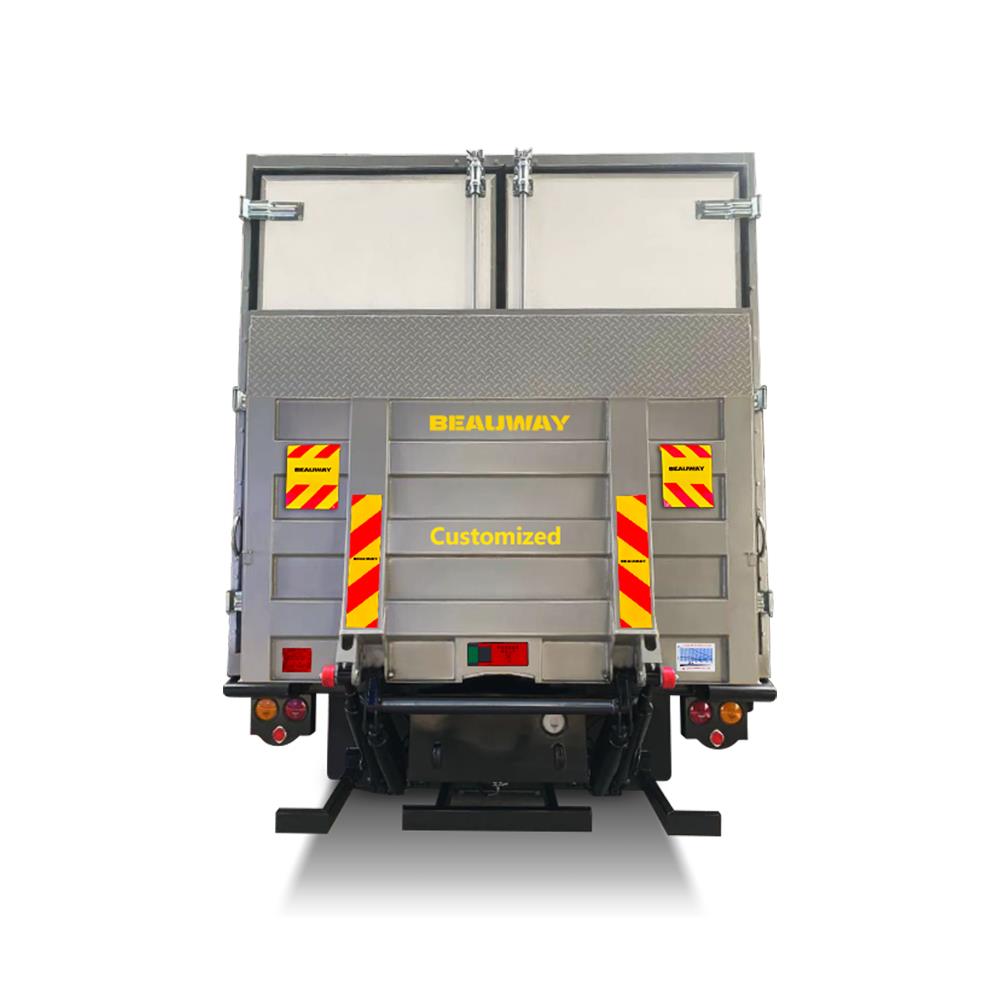
Choosing Reliable Tail Lift Suppliers to Minimize Downtime and Improve Operational Efficiency
(MENAFNEditorial) Choosing a Reliable Supplier
Selecting a reliable tail lift supplier is a critical factor in reducing downtime and maintaining stable logistics operations. A dependable supplier does more than simply provide equipment; they ensure timely access to technical support, accurate replacement parts, and consistent product guidance when issues occur. In practical operations, the speed of supplier response often determines whether a vehicle returns to service quickly or remains inactive for an extended period, directly affecting delivery schedules and operational efficiency.
From an engineering and manufacturing standpoint, Beauway focuses on delivering tail lift systems designed for operational consistency and long-term reliability. The design approach emphasizes structural strength, hydraulic stability, and compatibility across different vehicle configurations to ensure stable performance under continuous working conditions. By prioritizing controlled production standards and system durability, Beauway aims to support operators in reducing unexpected failures and maintaining efficient workflow in demanding logistics environments.
Over time, the industry has expanded with a growing number of smaller suppliers entering the market. While this increases availability, it also introduces differences in quality control, technical capability, and long-term support reliability. Established suppliers with proven operational history are generally better equipped to handle urgent maintenance needs, particularly in situations where system downtime must be minimized.
Aftermarket Parts Considerations
Cost-sensitive decisions often lead operators to consider aftermarket components as an alternative to original parts. However, this approach carries certain risks that can affect overall system performance. Variations in manufacturing standards may result in inconsistent fitting, reduced durability, or compatibility issues within hydraulic and electrical systems. Even minor deviations in specification can lead to reduced efficiency or repeated mechanical failures over time.
Another important consideration is long-term system protection. In some cases, the use of non-original components may impact warranty coverage or increase maintenance complexity in the future. While aftermarket parts may appear more economical at the initial stage, they can introduce hidden costs related to repeated repairs, additional downtime, and accelerated component wear.
Selecting a reliable tail lift supplier is a critical factor in reducing downtime and maintaining stable logistics operations. A dependable supplier does more than simply provide equipment; they ensure timely access to technical support, accurate replacement parts, and consistent product guidance when issues occur. In practical operations, the speed of supplier response often determines whether a vehicle returns to service quickly or remains inactive for an extended period, directly affecting delivery schedules and operational efficiency.
From an engineering and manufacturing standpoint, Beauway focuses on delivering tail lift systems designed for operational consistency and long-term reliability. The design approach emphasizes structural strength, hydraulic stability, and compatibility across different vehicle configurations to ensure stable performance under continuous working conditions. By prioritizing controlled production standards and system durability, Beauway aims to support operators in reducing unexpected failures and maintaining efficient workflow in demanding logistics environments.
Over time, the industry has expanded with a growing number of smaller suppliers entering the market. While this increases availability, it also introduces differences in quality control, technical capability, and long-term support reliability. Established suppliers with proven operational history are generally better equipped to handle urgent maintenance needs, particularly in situations where system downtime must be minimized.
Aftermarket Parts Considerations
Cost-sensitive decisions often lead operators to consider aftermarket components as an alternative to original parts. However, this approach carries certain risks that can affect overall system performance. Variations in manufacturing standards may result in inconsistent fitting, reduced durability, or compatibility issues within hydraulic and electrical systems. Even minor deviations in specification can lead to reduced efficiency or repeated mechanical failures over time.
Another important consideration is long-term system protection. In some cases, the use of non-original components may impact warranty coverage or increase maintenance complexity in the future. While aftermarket parts may appear more economical at the initial stage, they can introduce hidden costs related to repeated repairs, additional downtime, and accelerated component wear.

Legal Disclaimer:
MENAFN provides the
information “as is” without warranty of any kind. We do not accept
any responsibility or liability for the accuracy, content, images,
videos, licenses, completeness, legality, or reliability of the information
contained in this article. If you have any complaints or copyright
issues related to this article, kindly contact the provider above.
Most popular stories
Market Research

More Story







Comments
No comment