





403
Sorry!!
Error! We're sorry, but the page you were looking for doesn't exist.
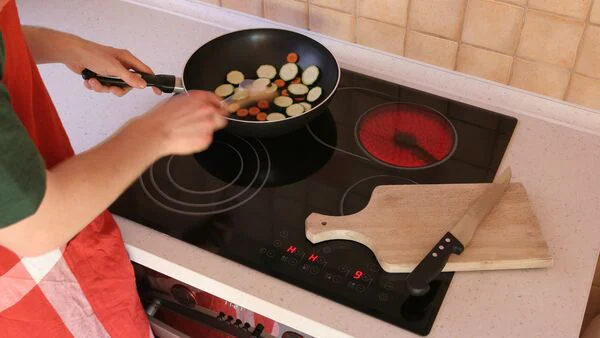
Induction Cooking Shift Could Add 27 GW To India's Peak Power Demand, Says Power Ministry
(MENAFN- Live Mint) New Delhi: With more people switching to induction cookstoves due to the LPG shortage, India's peak power demand is expected to surge by as much as 27 GW, an official said on Friday.
This is significant as India's peak power demand is expected to touch a record 271 GW this summer. Mint reported earlier that the state-run EESL was considering a revamp of the National Efficient Cooking Programme to promote the use of induction cookstoves.
Krushna Chandra Panigrahy, director general of the Bureau of Energy Efficiency (BEE), noted on Friday that the shift toward induction cooking has already begun and will create "an additional layer of demand" during morning and evening peak hours.
Also Read | LPG crisis fuels labour crunch, industry's hiring cost up 15%While usage patterns vary across India due to differing "climate zones, socio-economic conditions, and cooking habits," the impact will be most visible at the distribution level. Panigrahy estimated that, depending on how widely the technology is embraced, the "additional demand would be in the range of 13-27 GW in low and high induction cooking adoption”. He added that BEE and the power ministry were studying the demand scenario and working proactively to meet it.
Demand for electric cookstoves has surged following the outbreak of the Iran war, as consumers seek alternatives to offset a shortage in LPG cylinders. Prices of these cooktops have risen, though not significantly. Basic models that usually cost around ₹1,800 have seen their prices increase by about ₹100, while higher-end models have seen steeper hikes, according to e-commerce data.
Briefing the media on India's power demand and fuel stocks, Piyush Singh, additional secretary at the ministry of power, said about 10 GW capacity of thermal power plants have deferred their maintenance programmes this summer to ensure uninterrupted power supply amid the ongoing crisis.
He noted that with about 8 GW of gas-based power capacity sitting idle due to war-driven supply shortages, deferring scheduled maintenance would help bridge the gap and meet the rising demand. He added that of the 15 GW of capacity originally scheduled for maintenance, 10 GW will remain operational to meet demand, while the remaining 5 GW will proceed with their planned repairs.
Also Read | Govt plans push for electric stoves to reduce LPG dependence Power playThe ministry also plans to accelerate the addition of power generation capacity and commission a total of 22 GW capacity, including thermal, solar, hydro, battery storage and pump storage. India currently has an installed capacity of more than 531 GW, reflecting a well-diversified portfolio, with significant contributions from coal, renewables, hydro, and nuclear sources. Non-fossil sources account for more than 50%.
On the supply of natural gas across sectors, Sujata Sharma, joint secretary at the ministry of petroleum and natural gas said priority sectors, piped natural gas and compressed natural gas would continue at 100% of their average requirement. Also, based on available inventory and scheduled LNG cargo arrivals, the overall gas allocation to fertilizer plants has been further enhanced by 5% to about 95% of their six-month average consumption, with effect from Thursday.
CGD entities have been advised to prioritize PNG connections for commercial establishments such as hotels, restaurants and canteens, to address concerns regarding the availability of commercial LPG, she said.
Also Read | Real estate hit by labour crunch, rising costs as LPG crisis drives workers home
Legal Disclaimer:
MENAFN provides the
information “as is” without warranty of any kind. We do not accept
any responsibility or liability for the accuracy, content, images,
videos, licenses, completeness, legality, or reliability of the information
contained in this article. If you have any complaints or copyright
issues related to this article, kindly contact the provider above.
Most popular stories
Market Research

More Story






Comments
No comment