




403
Sorry!!
Error! We're sorry, but the page you were looking for doesn't exist.
Iran Ceasefire: Too Many Brokers, Too Little Leverage
(MENAFN- Asia Times)
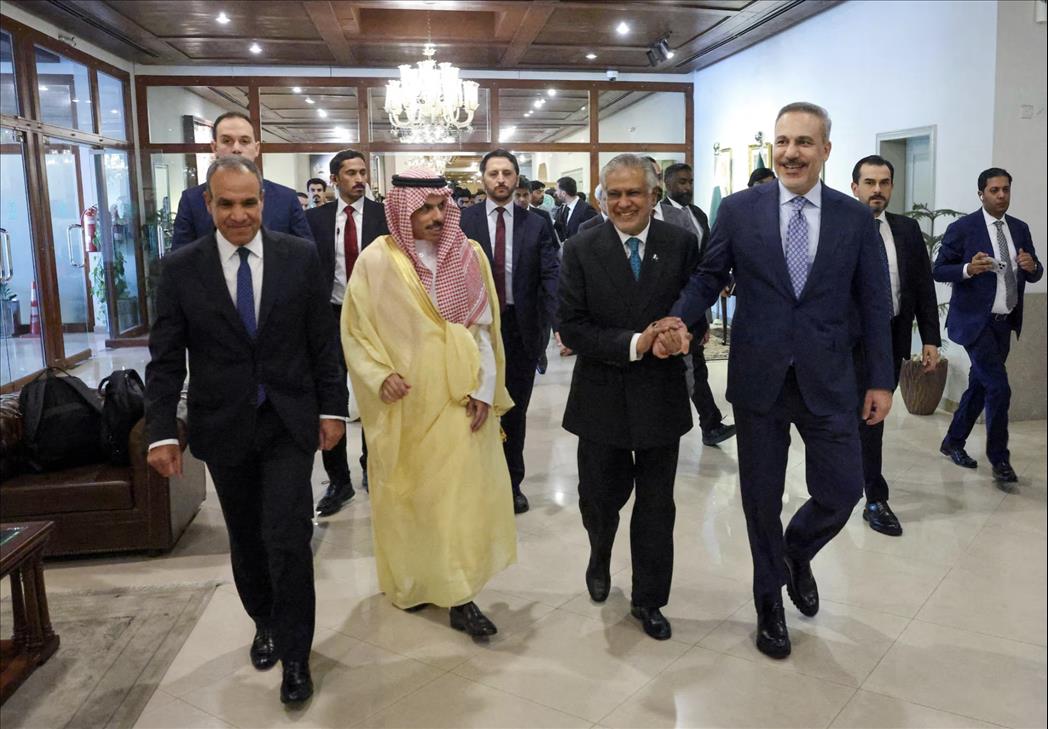
Pakistan, with China's help, brokered it. Turkey and Egypt shuttled the proposals. Qatar had been working the phones for weeks.
When the ceasefire between the United States, Israel and Iran was announced on April 7, Pakistan had stepped forward as the lead mediator, pulling the disparate threads together. Within hours, attacks had resumed. Both sides declared victory. Israel's campaign against Hezbollah continued as though the deal didn't exist, because for that front, it didn't.
This is diplomacy now: a single broker in the spotlight, yet no one is responsible for the final outcome.
The machinery still generates the same paper trail of summits and communiqués. But something has changed in how it functions. The post-Cold War moment produced occasional bursts of genuine great-power brokerage - ugly and imperfect, but decisive when it worked.
What exists today is different: a permanent facilitation industry that has grown large and fragmented, even when one actor eventually takes the lead. It keeps itself busy. It rarely finishes anything.
Sudan, Gaza, and Ukraine are three recent examples. For Sudan, the different factions have mastered the art of forum shopping, using Jeddah, Cairo, the African Union and Intergovernmental Authority on Development (IGAD) as rival tracks for leverage and hiding spots. Gaza has followed an all-too-familiar cycle.
Qatar secures a pause, Egypt extends it and Turkey claims credit for mediating. Then, the pause ends. Even Qatar's own minister of state publicly acknowledged by mid-2024 that more efforts do not necessarily bring the parties closer together, especially when the talks serve“narrow political interests.”

Legal Disclaimer:
MENAFN provides the
information “as is” without warranty of any kind. We do not accept
any responsibility or liability for the accuracy, content, images,
videos, licenses, completeness, legality, or reliability of the information
contained in this article. If you have any complaints or copyright
issues related to this article, kindly contact the provider above.
Most popular stories
Market Research

More Story







Comments
No comment