





403
Sorry!!
Error! We're sorry, but the page you were looking for doesn't exist.
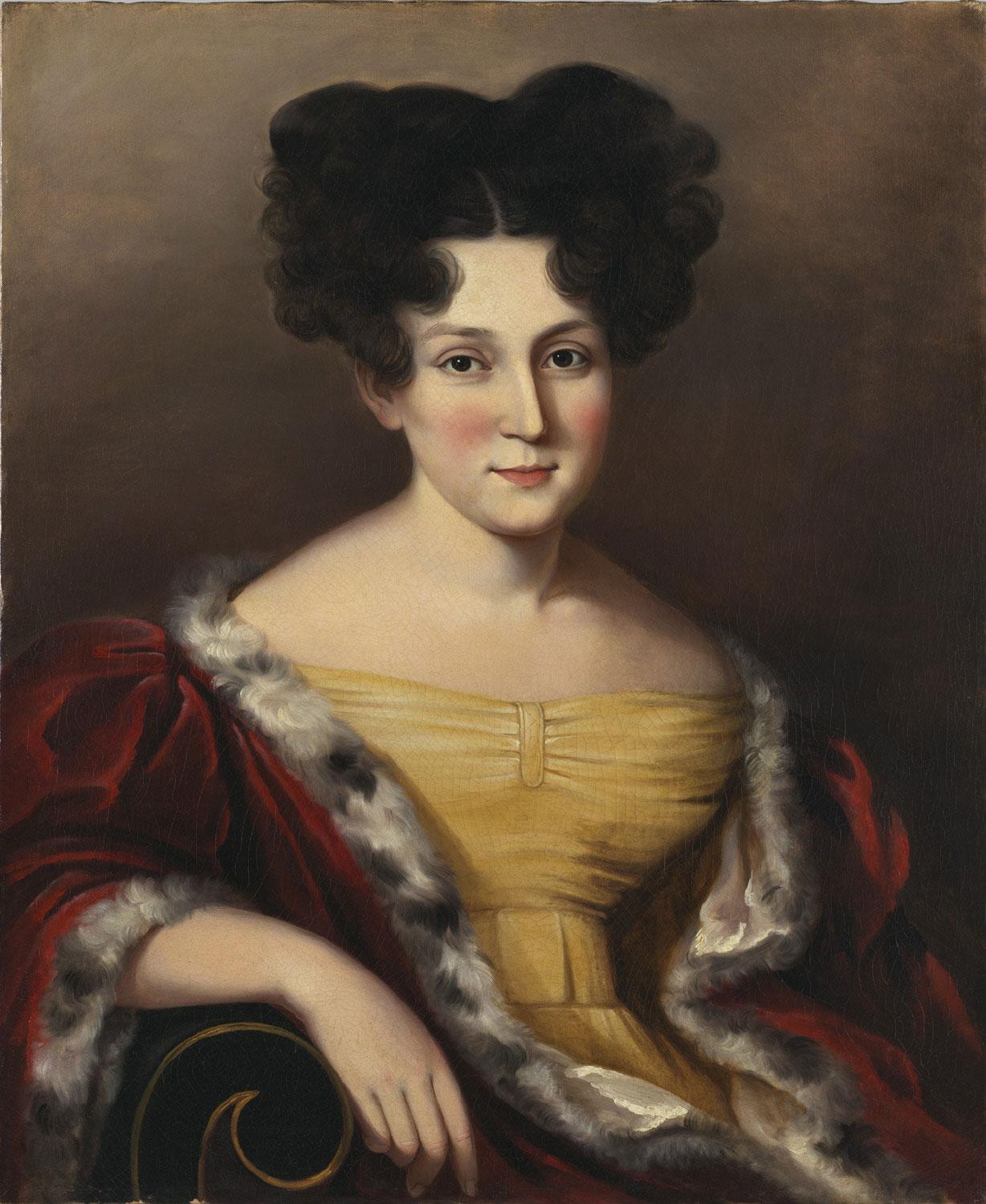
Why Was Sarah Miriam Peale, Pioneering Member Of America's First Art Dynasty, Left Behind?
(MENAFN- USA Art News)
Sarah Miriam Peale's long-overlooked career is finally moving back into view
For decades, Sarah Miriam Peale (1800–1885) has sat in the shadow of one of the most famous families in American art. Now, museums are beginning to restore her place in the story. A painter who supported herself for nearly 60 years, never married, and produced hundreds of portraits and still lifes, Peale is being reconsidered through exhibitions at the Pennsylvania Academy of the Fine Arts (PAFA), the Winterthur Museum, Garden and Library in Delaware, and the National Museum of Women in the Arts (NMWA) in Washington, D.C.
The renewed attention is overdue. In 1967, a solo exhibition of her work at the Peale Museum in Baltimore described her as“the first successful woman artist in America and the only truly professional one until late in the 19th century.” Even now, her name remains far less familiar than those of her father, James Peale Sr., or her cousins Charles Willson Peale, Rembrandt Peale, and Raphaelle Peale.
That imbalance says as much about the construction of American art history as it does about the Peale family itself. Charles Willson Peale's dynasty was unusually large and unusually influential: he fathered 18 children, and many relatives became artists. His brother James taught Sarah and her sisters Anna Claypoole Peale and Margaretta Angelica Peale, while the family's internal exchange of motifs and compositions helped create a recognizable visual language. A ceramic basket, for instance, appears in works by six different family members.
Yet that shared style may also have obscured the women's individual achievements. Sarah and Anna were the first women artists elected as members of PAFA in 1824, a milestone that reflected both their talent and the limited avenues available to women in the profession. Formal training remained difficult to access, and women were often barred from figure drawing classes, which were central to history painting and to the highest ranks of artistic prestige.
Peale found another path. She studied first with her father, James, and then with her cousin Rembrandt. She went on to paint political leaders and prominent sitters, including a portrait of Millard Fillmore attributed to her in the collection of the U.S. House of Representatives. The article also notes that she had four sittings with the Marquis de Lafayette during his 1824 return to the United States.
Her career unfolded in Baltimore and later St. Louis, where she worked from studios and built a livelihood on portraiture and still life. In a field that often treated women's labor as auxiliary, Peale made it professional, sustained, and visible. The current museum interest suggests that her reputation may finally be catching up to the record she left behind.

Legal Disclaimer:
MENAFN provides the
information “as is” without warranty of any kind. We do not accept
any responsibility or liability for the accuracy, content, images,
videos, licenses, completeness, legality, or reliability of the information
contained in this article. If you have any complaints or copyright
issues related to this article, kindly contact the provider above.
Most popular stories
Market Research

More Story








Comments
No comment