



403
Sorry!!
Error! We're sorry, but the page you were looking for doesn't exist.
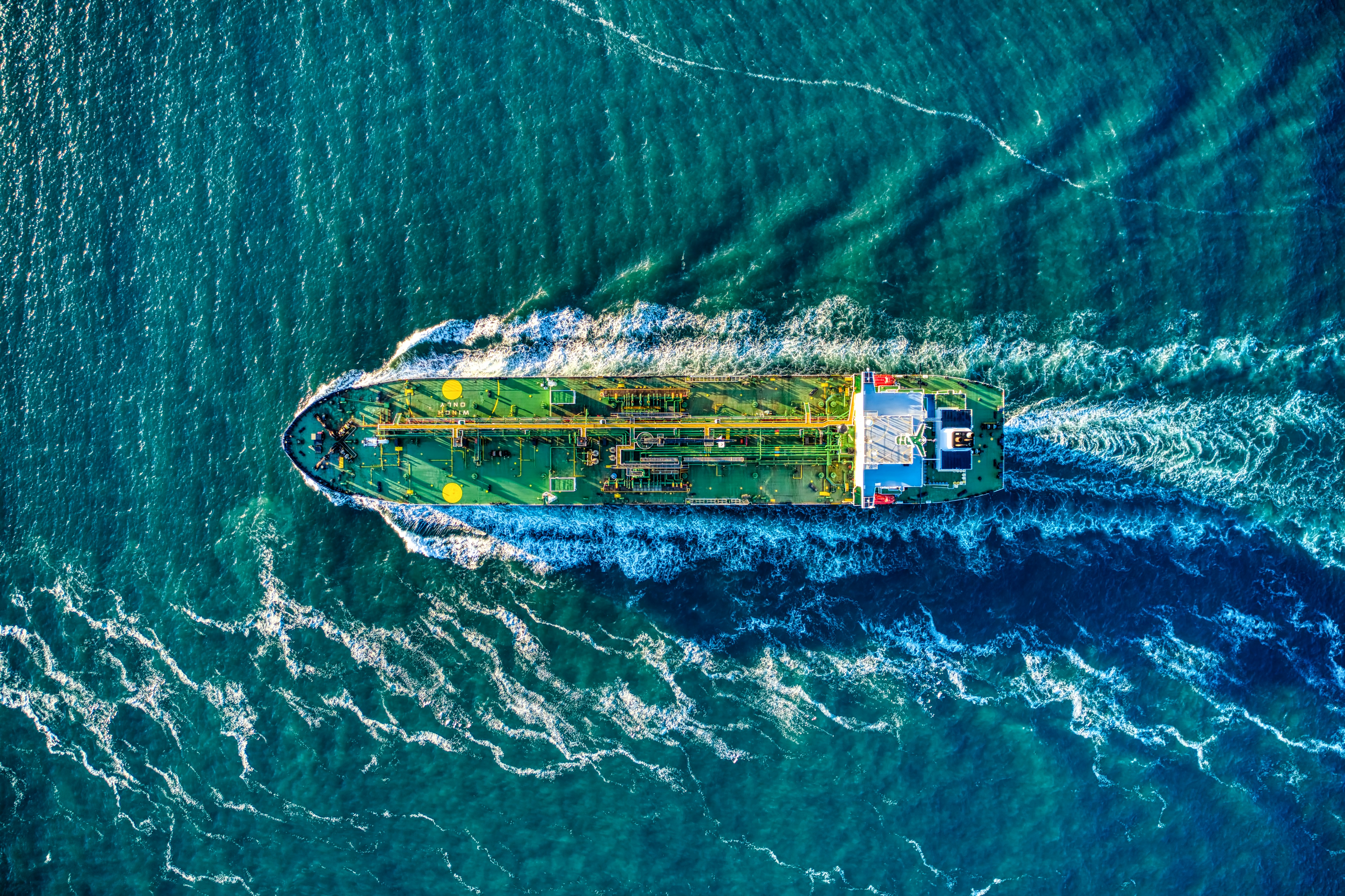
Hormuz Still Blocked Despite Ceasefire, UAE Oil Giant Says
(MENAFN) The Strait of Hormuz remains effectively sealed even after a ceasefire agreement, with Iranian restrictions continuing to choke global energy flows and leaving approximately 230 fully loaded oil tankers unable to sail, the head of one of the world's most powerful energy companies warned Thursday.
ADNOC Chief Executive Sultan Al Jaber issued the stark warning in a LinkedIn post, stating that access to the critical waterway was being actively restricted and subjected to conditions. "Conditional passage is not passage," Al Jaber wrote, demanding the strait be reopened "fully, unconditionally and without restriction."
The ADNOC chief confirmed that the company has already loaded cargoes awaiting transit and pledged to expand production within the boundaries imposed by war-related infrastructure damage and the overriding need to protect staff safety.
"Markets remain at a critical crossroads. The final cargoes that transited the Strait of Hormuz before the conflict are now arriving at their destinations. This is where the paper traded markets are meeting physical reality, and the 40-day gap in global energy flows is truly exposed," he added.
Al Jaber's remarks arrived as Iran announced designated alternative entry and exit corridors for vessels navigating the strait, framing the move as a maritime safety measure intended to minimize collision risks with potential sea mines in the primary shipping lane. Iranian media and officials urged ships to follow the newly established routes.
Shipping companies have nevertheless maintained a cautious stance, hesitant to resume normal operations in the wake of the US-Iran ceasefire announced earlier this week.
The stakes could hardly be higher. Prior to the conflict, the Strait of Hormuz served as the transit point for roughly one-fifth of all global oil and liquefied natural gas shipments — making any sustained blockage a severe threat to worldwide energy stability. Al Jaber stressed that Asia, the destination for the bulk of cargoes moving through the corridor, stands to bear the heaviest consequences of a prolonged closure.
ADNOC Chief Executive Sultan Al Jaber issued the stark warning in a LinkedIn post, stating that access to the critical waterway was being actively restricted and subjected to conditions. "Conditional passage is not passage," Al Jaber wrote, demanding the strait be reopened "fully, unconditionally and without restriction."
The ADNOC chief confirmed that the company has already loaded cargoes awaiting transit and pledged to expand production within the boundaries imposed by war-related infrastructure damage and the overriding need to protect staff safety.
"Markets remain at a critical crossroads. The final cargoes that transited the Strait of Hormuz before the conflict are now arriving at their destinations. This is where the paper traded markets are meeting physical reality, and the 40-day gap in global energy flows is truly exposed," he added.
Al Jaber's remarks arrived as Iran announced designated alternative entry and exit corridors for vessels navigating the strait, framing the move as a maritime safety measure intended to minimize collision risks with potential sea mines in the primary shipping lane. Iranian media and officials urged ships to follow the newly established routes.
Shipping companies have nevertheless maintained a cautious stance, hesitant to resume normal operations in the wake of the US-Iran ceasefire announced earlier this week.
The stakes could hardly be higher. Prior to the conflict, the Strait of Hormuz served as the transit point for roughly one-fifth of all global oil and liquefied natural gas shipments — making any sustained blockage a severe threat to worldwide energy stability. Al Jaber stressed that Asia, the destination for the bulk of cargoes moving through the corridor, stands to bear the heaviest consequences of a prolonged closure.

Legal Disclaimer:
MENAFN provides the
information “as is” without warranty of any kind. We do not accept
any responsibility or liability for the accuracy, content, images,
videos, licenses, completeness, legality, or reliability of the information
contained in this article. If you have any complaints or copyright
issues related to this article, kindly contact the provider above.
Most popular stories
Market Research

More Story






Comments
No comment