


![SANS Institute, Cloud Security Alliance, [Un]Prompted, And OWASP Genai...](/Updates/index/HTML_Images/NewsEN_MostPopular_img_4.png?1110991251)




403
Sorry!!
Error! We're sorry, but the page you were looking for doesn't exist.
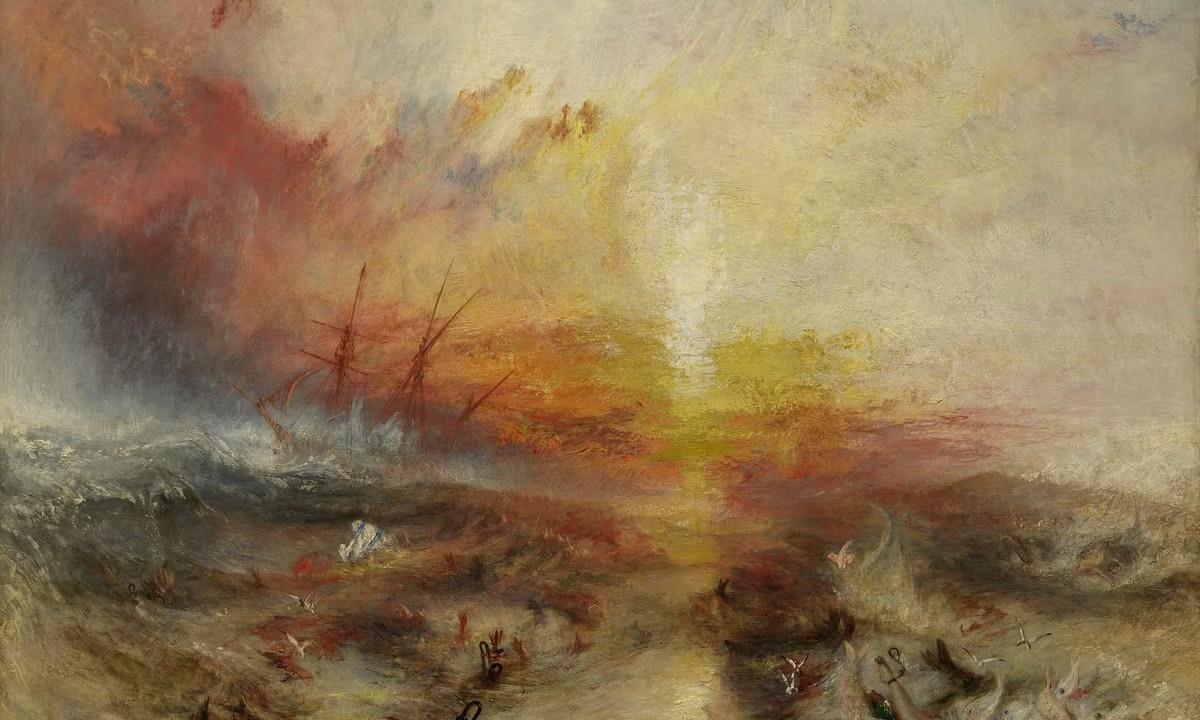
A Book Exploring The Evolution Of J.M.W. Turner's Positions On Slavery The Art Newspaper International Art News And Events
(MENAFN- USA Art News)
Turner's most famous painting now sits inside a more difficult history
Sam Smiles has spent four decades deepening the scholarship around J.M.W. Turner (1775–1851), but his latest book may be the one that most unsettles the familiar image of Britain's great landscape painter. Drawing on archival research and contemporary accounts, Smiles traces Turner's art through the financial systems that sustained it - and, in several cases, through slavery itself.
The book returns to a discovery Smiles first published in 2007: in 1805, Turner invested in a Jamaican“dry sugar work pen,” a property tied to livestock raising and slavery-linked commerce. The investment helped pay off the mortgage on the site and purchase enslaved Africans to rear cattle. Smiles also follows the chain of money outward, from Turner to patrons and collectors whose fortunes were bound up with plantation exploitation and North American cotton production, including John“Mad Jack” Fuller, MP for Sussex.
One of the book's most striking contributions is its effort to recover a fuller human context from the surviving records. Smiles identifies one enslaved African worker on the Jamaican estate, called“Grey,” a rare trace of an individual otherwise reduced to the blunt language of property and labor.
The discussion then turns toward Turner's best-known anti-slavery image, Slavers Throwing Overboard the Dead and Dying – Typhoon Coming On, now widely known as The Slave Ship. For generations, the painting has been linked to the Zong massacre of 1781 and read as a moral indictment of the slave trade. Smiles does not dismiss that association, but he argues that the work may also have been shaped by contemporary reports of slave traders jettisoning enslaved people into the sea. In that respect, his position aligns with an argument made by John McCoubrey in 1998.
The book's larger significance lies in what it does to Turner's reputation. It does not simply replace one interpretation with another. Instead, it places the painter inside the economic and political world that made his career possible, from Bristol and the Caribbean to the patrons who bought his work. The result is a Turner who remains visually radical, but whose moral legacy now appears more entangled, and more humanly compromised, than the old heroic narrative allowed.

Legal Disclaimer:
MENAFN provides the
information “as is” without warranty of any kind. We do not accept
any responsibility or liability for the accuracy, content, images,
videos, licenses, completeness, legality, or reliability of the information
contained in this article. If you have any complaints or copyright
issues related to this article, kindly contact the provider above.
Most popular stories
Market Research

More Story





Comments
No comment