


![SANS Institute, Cloud Security Alliance, [Un]Prompted, And OWASP Genai...](/Updates/index/HTML_Images/NewsEN_MostPopular_img_4.png?1110991251)




403
Sorry!!
Error! We're sorry, but the page you were looking for doesn't exist.
Native Americans Created Dice More Than 12,000 Years Ago, Study Finds The Art Newspaper International Art News And Events
(MENAFN- USA Art News)
Native American Dice May Be the Oldest Known in Human History
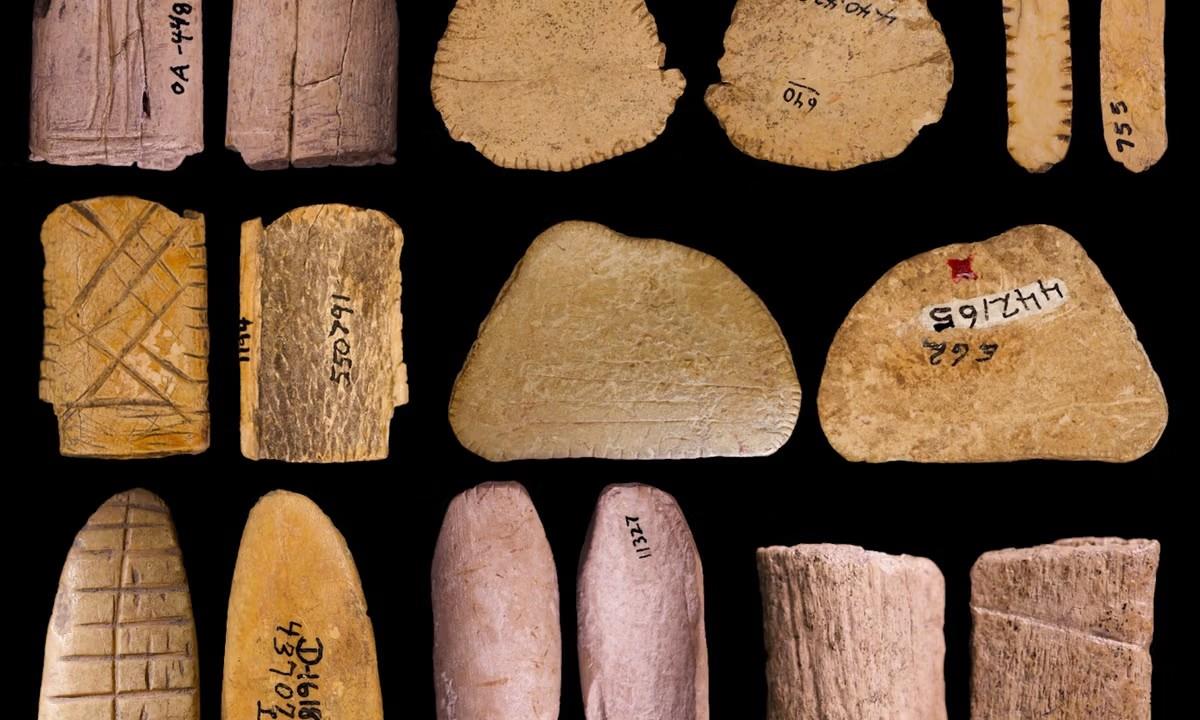
A Colorado State University study is pushing the history of dice far deeper into the past than scholars had assumed. The research argues that Native American hunter-gatherers on the western Great Plains were making and using dice more than 12,000 years ago, at the end of the last Ice Age - long before the earliest known examples from Bronze Age societies in the Old World.
The findings, published in American Antiquity, come from work by Colorado State University archaeologist and PhD student Robert J. Madden. He identifies 15 dice associated with Folsom groups at the Lindenmeier site in northeastern Colorado, part of a broader set of Late Pleistocene artifacts recovered in Wyoming, Colorado, and New Mexico.
Madden's study argues that these objects were not incidental curiosities. Instead, they appear to have been used in games of chance and gambling, and may have functioned as tools of social integration, giving different groups a shared structure for interaction even when they did not know one another well or speak the same language.
The research also challenges a long-standing assumption that dice and probability were primarily Old World inventions. Madden says the archaeological record shows ancient Native American communities deliberately creating objects meant to produce random outcomes, then using those outcomes within structured games thousands of years earlier than previously recognized.
One of the study's more striking claims is that the dice were, in general, the only decorated objects found at the 12,000-year-old site. Thousands of artifacts have been recovered from Lindenmeier, yet Madden says none of the others appears to carry comparable marking or ornament. That detail suggests the dice may have held a significance beyond utility alone.
For Madden, the larger implication is cultural as much as chronological. The study places Native American groups at the forefront of the invention of dice and related practices, while also pointing to a sophisticated understanding of chance, randomness, and probability in prehistoric North America. In that light, the dice are not just early gaming objects. They are evidence of a social and intellectual world that was more complex than the standard history of games has often allowed.

Legal Disclaimer:
MENAFN provides the
information “as is” without warranty of any kind. We do not accept
any responsibility or liability for the accuracy, content, images,
videos, licenses, completeness, legality, or reliability of the information
contained in this article. If you have any complaints or copyright
issues related to this article, kindly contact the provider above.
Most popular stories
Market Research

More Story








Comments
No comment