




403
Sorry!!
Error! We're sorry, but the page you were looking for doesn't exist.
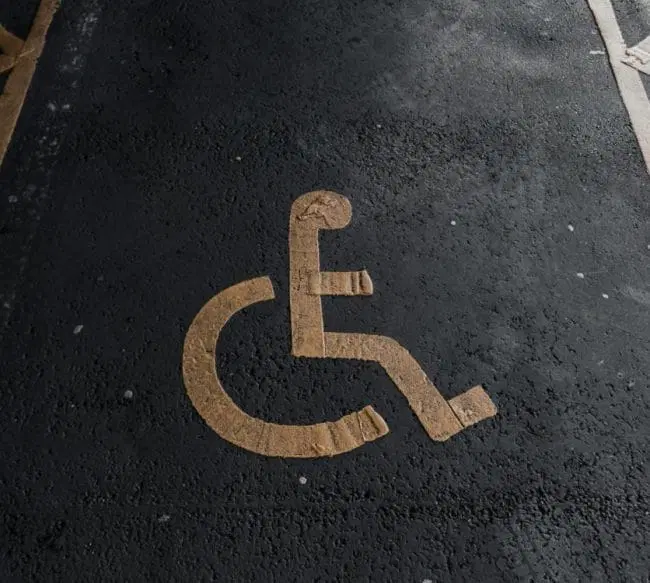
The Texas Rule That Changes How Disabled Parking Placards Are Issued
(MENAFN- Budget and the Bees) Navigating the process of obtaining a disabled parking placard in Texas has long been a challenge for many residents, especially those already dealing with mobility limitations. Recent rule changes, however, are reshaping how placards are issued, aiming to reduce fraud while improving accessibility for those who genuinely need them. If you or a loved one relies on accessible parking, understanding these updates is more important than ever. This article breaks down what's changed, why it matters, and how you can successfully navigate the updated system. Let's dive into the details and uncover what these new rules mean for everyday Texans.What Prompted the Change in Texas Placard Rules
The state of Texas introduced updated rules to address growing concerns about misuse and fraud involving disabled parking placards. Over time, reports surfaced of individuals using placards that did not belong to them or obtaining them without proper medical justification. This misuse created significant barriers for people with legitimate disabilities who depend on accessible parking spaces. As a result, lawmakers and transportation authorities worked together to tighten eligibility and verification processes. These changes aim to strike a balance between accessibility and accountability, ensuring the system serves those who truly need it.
The New Certification Requirements ExplainedOne of the most notable changes involves stricter medical certification requirements for applicants. Previously, obtaining a placard often required a simple form signed by a healthcare provider, but the new rules demand more detailed documentation. Physicians and other qualified medical professionals must now clearly outline the nature and extent of the disability. This added layer of detail helps prevent vague or unjustified approvals that contributed to past misuse. While this may seem like an extra hurdle, it ultimately protects the integrity of the program and ensures fairness.
Shorter Validity Periods for Some PlacardsAnother key update is the adjustment of validity periods for certain types of placards. Temporary placards, in particular, now have stricter expiration timelines to reflect the temporary nature of many conditions. This change ensures that individuals reassess their eligibility rather than relying on outdated approvals. Permanent placards still exist, but even these may require periodic review depending on the circumstances. By shortening validity periods where appropriate, Texas aims to keep records current and reduce long-term misuse.
Enhanced Verification and Enforcement MeasuresTo complement the new application requirements, Texas has also introduced stronger verification and enforcement practices. Law enforcement officers and parking authorities now have clearer guidelines for checking placard legitimacy. Additionally, penalties for misuse have become more defined and, in some cases, more severe. These measures serve as a deterrent against fraudulent use while reinforcing the importance of compliance. For legitimate users, this means a better chance of finding accessible parking when they need it most.
How These Changes Impact Applicants and CaregiversFor applicants and caregivers, the updated rules bring both challenges and benefits. On one hand, the application process may feel more thorough and time-consuming due to the increased documentation requirements. On the other hand, these changes help ensure that accessible parking spaces are available for those with genuine needs. Caregivers assisting loved ones should pay close attention to documentation details to avoid delays or rejections. Ultimately, understanding the new process can save time and reduce frustration during application or renewal.
Practical Steps to Successfully Apply Under the New RulesIf you're planning to apply for a disabled parking placard in Texas, preparation is key under the new system. Start by consulting with your healthcare provider to ensure they understand the updated certification requirements. Gather all necessary medical documentation and double-check that forms are completed accurately. Pay attention to expiration dates and renewal timelines to avoid lapses in eligibility. Taking these proactive steps can help streamline your experience and increase the likelihood of approval on the first attempt.
What This Means for Accessibility in TexasThe updated Texas rules for issuing disabled parking placards represent a significant shift toward accountability and fairness. While the process may now require more effort, the goal is to create a system that better serves individuals with legitimate mobility challenges. By reducing fraud and ensuring accurate documentation, these changes aim to improve access to essential parking spaces across the state. For Texans navigating this system, staying informed is the best way to adapt and succeed. In the long run, these updates could lead to a more equitable and reliable experience for everyone involved.
Have you or someone you know experienced challenges with obtaining or renewing a disabled parking placard in Texas? What do you think about these new rules-helpful or overly complicated? Share your thoughts in the comments below and join the conversation.

Legal Disclaimer:
MENAFN provides the
information “as is” without warranty of any kind. We do not accept
any responsibility or liability for the accuracy, content, images,
videos, licenses, completeness, legality, or reliability of the information
contained in this article. If you have any complaints or copyright
issues related to this article, kindly contact the provider above.
Most popular stories
Market Research

More Story








Comments
No comment