



403
Sorry!!
Error! We're sorry, but the page you were looking for doesn't exist.
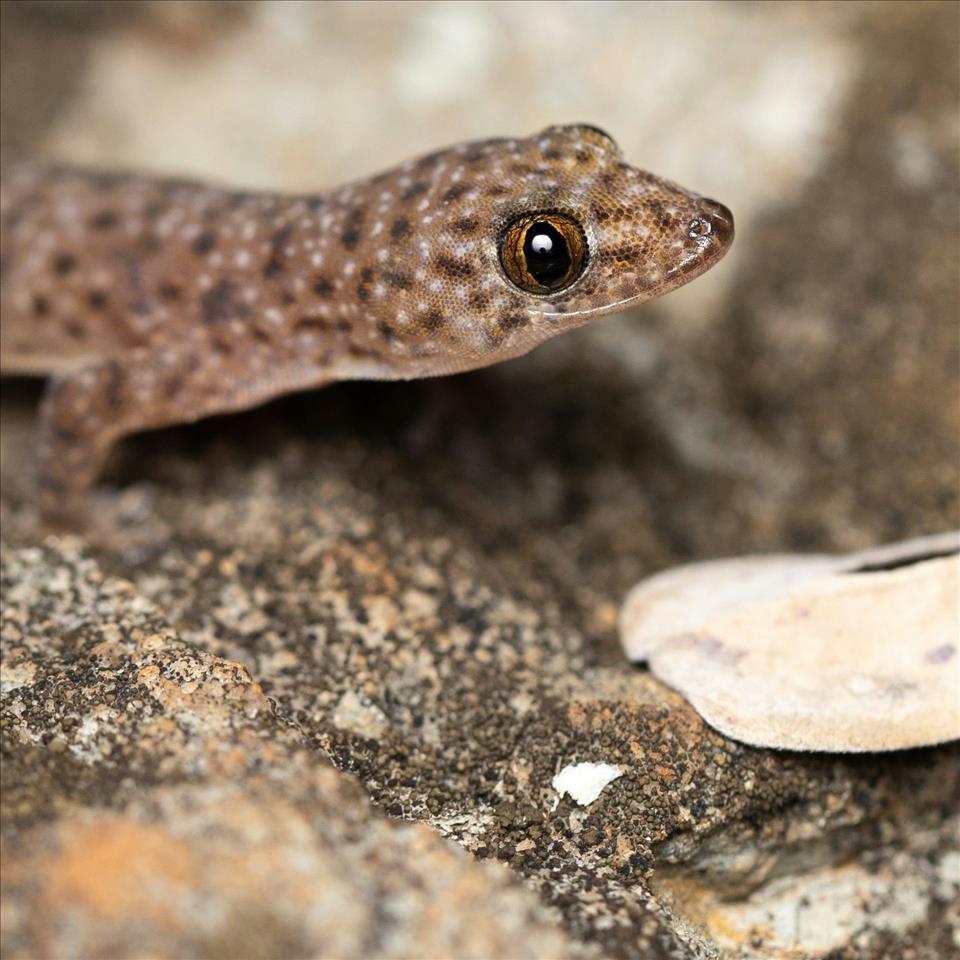
Tropical Geckos In Australia Are More Adaptable Than We Thought
Author: Keith Christian
(MENAFN- The Conversation) Earth is teeming with life: creatures big and small have spread and adapted to vastly different environments. Many animals can also change their physiology – how their bodies function – in response to local fluctuations. Just think of hibernating bears in winter, for example.

But some places experience less fluctuation. When you imagine the tropics, you're likely picturing something akin to a travel brochure – lush and always warm.
Indeed, temperatures in the tropics are relatively stable, so some biologists have suggested tropical animals can't adjust their physiology in response to a changing environment.
For animals in tropical rainforests that's somewhat true. However, a bigger portion of the tropics consists of savannas with strongly seasonal rainfall. For the animals that live here, water is as important as temperature when it comes to shaping their physiology.
My colleagues and I studied geckos from Australia's seasonal tropics to see if they can adjust to the seasons. Our new study, published in The Journal of Experimental Biology, challenges conventional views on what we know about reptiles and their ability to adjust to the seasons.
How geckos avoid drying outWith their scaly skin and ability to survive in deserts, reptiles are often viewed as being impervious to seasonal rainfall fluctuations.
Geckos, a type of nocturnal lizard, are particularly abundant in the tropics around the world. We measured water loss during the wet and dry seasons in closely related species of geckos in the genus Gehyra. They are impressive climbers that typically live in trees or on rocks.
In lizards, about 70% of the water loss happens across the skin, with some water also lost from the eyes and the air they exhale. Depending on habitat and how closely related they were, we expected to find differences among gecko species in the rate of water lost.
Instead, the striking result was their ability to change water loss seasonally. Compared to the wet season, the dry season water loss was reduced by up to 76%.
It's clear geckos need to conserve water in the dry season, but why not have low rates of water loss throughout the year?
We suspect there could be a cost to holding in the water in the dry season – possibly related to an increase in molecules that prevent the indiscriminate leaking of water across the skin of all land-based animals. When water is abundant in the wet season, they relax their hold, and water loss increases.
The geckos likely preserve water in direct response to how humid the air is. However, seasonal rainfall brings other important changes to tropical savannas.
Insect prey are less abundant in the dry season, and having less food available means animals in the seasonal tropics must adapt in other ways too. Previous studies of amphibians and reptiles in this region show the animals conserve energy by reducing activity, lowering body temperatures, and slowing their metabolisms in what's known as“metabolic depression”.
Now we can add changes to the permeability of their skin to the list of seasonal adaptations that allow geckos to survive the harsh conditions of a long dry season.
Getting ready ahead of timeInterestingly, animals start deploying these adaptations very early in the dry season, which lasts from May to October in the region where they live. In the geckos, the shift to lower water loss happened in May, despite there being rain early in the month.
This tells us the geckos adjust in anticipation of physiological stress, rather than in response to it.
There's also evidence the animals aren't just responding to general cues for that time of year, such as sun angle or day length.
For example, monitor lizards living in the savanna change their behaviour early in the dry season, but individuals of the same species living near the floodplain of the South Alligator River delay the seasonal adjustments until the plain dries late in the season. And other monitors that live near permanent water, forgo the seasonal changes altogether.
Although we don't know how proximity to water affects water loss in geckos, what we know about other animals suggests the cues they respond to are early changes in humidity, or possibly something to do with food availability.
Adapting in a harsh worldFar from being inflexible, many animals in the seasonal tropics have evolved a range of adaptations in response to the harsh conditions they experience every dry season.
Some of these adaptations are unique, such as underwater nesting by the northern long-necked turtle. Some, such as metabolic depression, are variations of strategies animals use elsewhere.
And some, such as the geckos' changes to water loss, may just be more obvious because the animals are above ground and observable, unlike ones hibernating in the winter somewhere inaccessible.
Global climate change involves more than increased temperatures. Other consequences may include changes in rainfall patterns and insect population declines.
Decreased food availability would have devastating consequences to future animals in the seasonal tropics.
However, over evolutionary time, the fact they live in variable seasonal conditions means they've adapted to survive at least some, less devastating environmental changes.
Institution:Charles Darwin University

Legal Disclaimer:
MENAFN provides the
information “as is” without warranty of any kind. We do not accept
any responsibility or liability for the accuracy, content, images,
videos, licenses, completeness, legality, or reliability of the information
contained in this article. If you have any complaints or copyright
issues related to this article, kindly contact the provider above.
Most popular stories
Market Research

More Story






Comments
No comment