




403
Sorry!!
Error! We're sorry, but the page you were looking for doesn't exist.
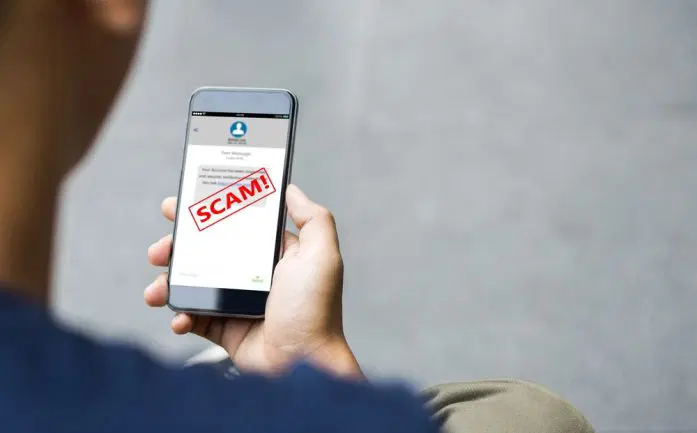
8 Scam Messages That Look Official - But Aren't
(MENAFN- Free Financial Advisor) Image Source: Shutterstock
We have all been taught to stay on high alert for suspicious text messages that may be scams. Maybe it screams“urgent action required” or promises a reward that seems almost too good to be true. Those messages are often crafted to make your heart race and your fingers click before your brain even gets a chance to breathe. They look polished, they look real, and they look like something you absolutely must act on-but that's exactly the point. Scammers rely on that split-second reaction to trick people out of money, personal info, or even both at once.
These messages don't just lurk in spam folders. They invade your inbox, pop up as texts, or even slide into your social media DMs, perfectly dressed in the language of authority. A lot of them come cloaked as banks, delivery services, or even government notifications, making it nearly impossible to spot the danger at first glance. The catch? These messages are designed to pressure, confuse, and manipulate. If you want to outsmart the con artists, you need to know what you're looking for.
1. The“Urgent Bank Alert” That Isn'tFew things get attention faster than a banking emergency. Scammers know this, so they craft emails and texts that mimic your bank's official tone, complete with logos and professional formatting. They might warn about suspicious activity, account freezes, or unauthorized purchases. The message will often demand immediate action, like clicking a link or calling a number, giving them the chance to steal login credentials instantly.
These fakes usually have tiny clues if you know where to look. Check the sender's email or phone number-it often has extra letters or numbers that don't match your bank. Links might look correct but redirect to entirely different websites. Real banks rarely ask for sensitive information through email or text. A solid defense is logging directly into your banking app or calling your bank using the official number, never the one in the suspicious message. That short pause can save you from a serious headache.
2. The“Package Delivery” PanicNothing spikes curiosity like a delivery notification, especially if you weren't expecting a package. These scams mimic carriers like FedEx, UPS, or USPS, claiming your shipment can't be delivered or requires urgent confirmation. The messages often include links or attachments, supposedly to“reschedule” or“verify” delivery. Clicking can install malware or steal personal information faster than a blink.
The scam usually leans on fear of missing out: missed deliveries, fines, or unexpected fees create instant pressure. Look closely at the sender info and URL. Real carriers usually provide tracking numbers that can be verified on their official websites. Avoid links in messages unless you initiated a shipment. A quick check with the actual company can reveal whether the notice is legitimate, saving you from digital chaos.
3. The“Government Agency” DeceptionScammers love pretending to be government offices. Tax authorities, immigration offices, or social security departments can all be impersonated convincingly. The messages often threaten penalties, legal action, or fines unless you act immediately. Panic sets in, and people feel forced to comply, which is exactly what the fraudsters want.
These scams are designed to feel official, sometimes even quoting real laws or referencing public programs. Legitimate agencies rarely communicate serious matters through text or email without prior notice by mail. If you receive a message claiming you owe money or must take immediate action, verify it independently by calling the agency directly using information from their official website. Staying skeptical is the best way to protect yourself from a high-pressure trap.
4. The“Account Suspended” HookPlatforms you use every day, like social media, email services, or streaming accounts, can become tools for scammers. They craft messages claiming your account is suspended, hacked, or needs immediate verification. Panic is the bait: people tend to click first and think later. The link usually leads to a fake login page, harvesting your username and password before you know what hit you.
One key giveaway is generic language like“Dear User” instead of your actual account name. Another is grammar mistakes or odd phrasing that real companies would never use. Always navigate directly to the official platform to check your account status. Multi-factor authentication is also a strong shield, adding another layer of protection against these sneaky attempts.
Image Source: Unsplash
5. The“Prize Winner” IllusionEveryone loves free stuff. Scammers exploit this by sending messages claiming you've won a prize, lottery, or sweepstakes. They demand personal info or a small payment to release winnings, turning excitement into a trap. The offer often feels too good to be true because it is.
Legitimate contests never ask for sensitive information upfront or require payment to claim a prize. Examine the email address carefully, and don't click on flashy links promising jackpots. If curiosity strikes, search for the contest online to verify authenticity. These scams prey on hope, but a little patience and skepticism can prevent a lot of frustration.
6. The“Tech Support” Con GameA sudden pop-up or call claiming your computer is infected with viruses or compromised can create instant fear. Scammers impersonate tech companies, urging you to download software, call a number, or provide remote access. Once granted, they can steal files, install malware, or demand ransom.
Real tech support never initiates contact without prior reason. If a message claims there's a problem with your device, close the window, restart, and reach out to the company through official channels. Avoiding panic is critical-these scams thrive on creating a sense of immediate danger. A calm, methodical approach will keep both your device and your sanity intact.
7. The“Subscription Renewal” TrapFake renewal notices target subscriptions people actually use, like streaming services, software, or even gym memberships. Messages claim your payment failed or that your account will be canceled unless you click a link or update your info. The urgency triggers quick reactions, often before users think twice.
Check your account directly by logging in on the official website. Watch for typos, suspicious email addresses, or unusual URLs in the message. Legitimate services rarely ask for sensitive details via email. Staying cautious can prevent financial loss and keep scammers from hijacking recurring payments.
8. The“Friend in Trouble” PloyThis one's straight out of a soap opera: a message from someone claiming to be a friend or family member in urgent need, stranded or locked out, asking for money immediately. The panic and emotional appeal are designed to override rational thinking. Many fall for this because it tugs at empathy and trust simultaneously.
Confirm the story through separate communication channels, like calling the person directly or messaging them on a platform you know is safe. Scammers rely on split-second emotional reactions, so taking a moment to pause and verify can prevent heartbreak and financial loss. Always check before acting-if it seems suspicious, it probably is.
Time To Outsmart the FakesScam messages don't have to ruin your day or empty your wallet. Recognizing the patterns-urgency, unexpected requests, links that don't match official websites, and emotional manipulation-can give you the edge. Always take a moment to verify, check official sources, and trust your instinct when something feels off. Protecting personal information and credentials is non-negotiable, and a little skepticism goes a long way.
Have a story about a scam you almost fell for or a clever trick to spot fakes? Share it in the comments because everyone could use a few more tactics in their toolkit for staying one step ahead of these digital hustlers.

Legal Disclaimer:
MENAFN provides the
information “as is” without warranty of any kind. We do not accept
any responsibility or liability for the accuracy, content, images,
videos, licenses, completeness, legality, or reliability of the information
contained in this article. If you have any complaints or copyright
issues related to this article, kindly contact the provider above.
Most popular stories
Market Research

More Story








Comments
No comment