





403
Sorry!!
Error! We're sorry, but the page you were looking for doesn't exist.
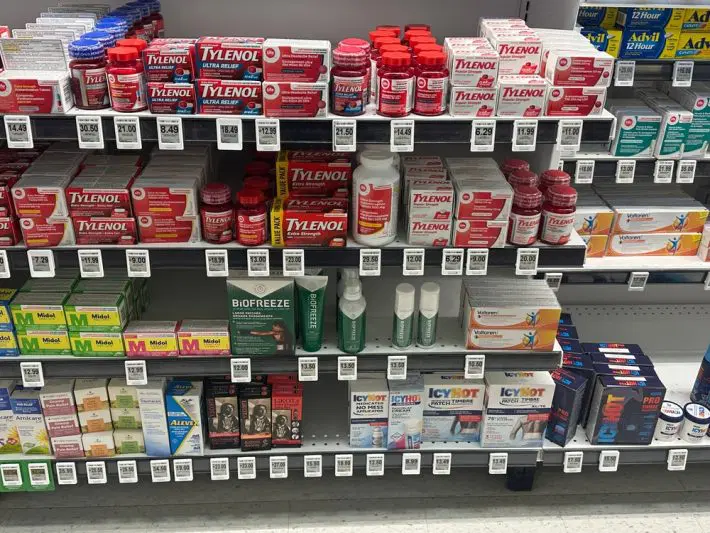
7 Over-The-Counter Medications Seniors Should Think Twice About Taking Every Day
(MENAFN- Saving Advice) If you're like most older adults, you probably have a few go-to over-the-counter medications sitting in your cabinet right now. I even pop a Tylenol or ibuprofen once a week. They seem harmless because they don't require a prescription, but that doesn't mean they're risk-free. In fact, more than half of serious medication-related problems in older adults involve OTC drugs. As the body ages, it processes medications differently, which can increase the chances of side effects, interactions, and even hospital visits. That said, here are seven over-the-counter medications that you might want to think twice about taking every day.1. NSAIDs Like Ibuprofen and Naproxen
Nonsteroidal anti-inflammatory drugs (NSAIDs) like ibuprofen and naproxen are incredibly common for pain relief. While they can help with arthritis and everyday aches, daily use comes with real risks for seniors. These medications can cause stomach bleeding, ulcers, kidney problems, and even increase the risk of heart attack or stroke over time. Older adults are especially vulnerable to these complications because their bodies don't process the drugs as efficiently.
2. AcetaminophenAcetaminophen is often considered the“safe” alternative to NSAIDs, but it still has its limits. Taking too much (or using it every day) can put serious strain on your liver. In fact, acetaminophen overdose is one of the leading causes of acute liver failure in the U.S. The risk increases if you drink alcohol or unknowingly take multiple products containing the same ingredient. Many cold and flu medications also include acetaminophen, making accidental overuse more common than you might think.
3. Antihistamines Like DiphenhydramineFirst-generation antihistamines, such as diphenhydramine (found in many allergy and sleep aids), can have powerful side effects in older adults. These medications are known to cause confusion, dizziness, and memory issues due to their anticholinergic effects. They can also increase the risk of falls, which is a major concern for seniors. Even though they help you sleep, they're not designed for long-term use.
4. OTC Sleep AidsMany over-the-counter sleep products rely on the same antihistamines mentioned above. While they may help you fall asleep, they often leave you groggy the next day and can worsen balance or coordination. Long-term use has been linked to cognitive decline and increased fall risk in older adults. These medications also don't address the root cause of sleep issues, which can make dependency more likely. Instead of relying on nightly sleep aids, it's better to explore safer alternatives like sleep hygiene changes or doctor-approved treatments.
5. DecongestantsDecongestants found in many cold and sinus medications can be risky for seniors, especially those with heart conditions. Ingredients like pseudoephedrine can raise blood pressure and heart rate, sometimes significantly. This can lead to complications if you already have hypertension or cardiovascular concerns. The effects can happen quickly, even after just a few doses. Always check labels carefully and look for products specifically designed for people with high blood pressure.
6. Proton Pump InhibitorsHeartburn medications are often taken daily for relief, but long-term use comes with hidden downsides. Common OTC examples include Omeprazole (Prilosec), Esomeprazole (Nexium), and Lansoprazole (Prevacid). These drugs have been linked to decreased calcium absorption, which can increase the risk of bone fractures. For seniors, that's especially concerning because bone density naturally declines with age. What starts as a simple fix for acid reflux can turn into a long-term health issue.
7. Motion Sickness and Vertigo MedicationsMedications like meclizine are commonly used for dizziness or motion sickness, but they can backfire in older adults. These drugs can cause drowsiness, confusion, and even worsen symptoms of dementia. They also increase the risk of falls due to impaired balance and coordination. While they may provide short-term relief, daily use can create bigger problems. Safer alternatives or targeted treatments may be a better option depending on the underlying cause.
Why“Over-the-Counter” Doesn't Mean Risk-FreeIt's easy to assume that if a medication is sold without a prescription, it must be safe for everyday use. But the reality is very different, especially for seniors managing multiple health conditions. Age-related changes in the liver and kidneys can slow how drugs are processed, increasing side effects and interactions. Many OTC medications also overlap in ingredients, raising the risk of accidental overdosing. Anyone taking OTC meds should ensure they are doing so safely.
Have you ever been surprised by side effects from an over-the-counter medication? Share your experience in the comments.

Legal Disclaimer:
MENAFN provides the
information “as is” without warranty of any kind. We do not accept
any responsibility or liability for the accuracy, content, images,
videos, licenses, completeness, legality, or reliability of the information
contained in this article. If you have any complaints or copyright
issues related to this article, kindly contact the provider above.
Most popular stories
Market Research

More Story








Comments
No comment