



403
Sorry!!
Error! We're sorry, but the page you were looking for doesn't exist.

More Retirees Are“Aging In Place” - But Many Homes Aren't Built For It
(MENAFN- Free Financial Advisor) Image Source: Pexels
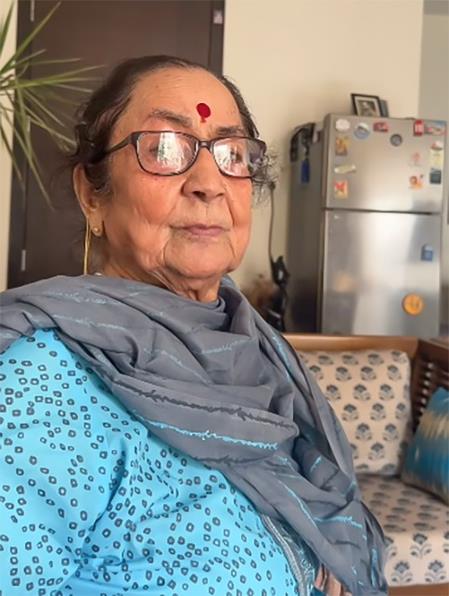
Have you noticed how retirement is no longer about moving into a quiet community and fading into the background? A growing number of older adults are rewriting the rules, insisting on staying right where they've built memories, decorated walls, and spent decades perfecting the art of comfortable living. Aging in place isn't just a trend; it's a movement, one that's reshaping homes, neighborhoods, and even the way society thinks about getting older. People aren't ready to give up control or familiarity, and honestly, who can blame them? Staying home means holding onto independence, comfort, and the routines that bring genuine joy.
But here's the catch: most homes weren't designed for the realities of aging. Staircases, narrow hallways, slippery bathrooms, and heavy doors suddenly turn from charming features into daily hazards. Retirees may want to stay put, but without some smart modifications, the dream of independent living can quickly turn stressful-or worse, unsafe. Architects, designers, and families are stepping up, but there's still a gap between aspiration and reality.
Staying Home Without Losing Your FreedomRetirees want independence, and aging in place offers it in spades. Living in a familiar space allows them to maintain routines, hobbies, and social connections that simply can't be replicated in institutional settings. But the average home isn't built with wide hallways, zero-step entries, or bathrooms that prevent slips and falls. That's where creative solutions come into play. Grab bars, walk-in showers, stair lifts, and smart lighting aren't just safety features-they're confidence boosters, giving homeowners the ability to move freely without fear of injury. Installing these features early can prevent a costly emergency down the road and give families peace of mind.
Technology also plays a starring role in modern aging in place. Smart home devices can remind people to take medications, alert family members if something seems off, and even control lighting and temperature with voice commands. Many retirees are discovering that technology isn't intimidating-it's empowering. Paired with thoughtful interior design, these updates can transform an old house into a safe, efficient, and even stylish space. Aging in place is about retaining freedom, and every modification should prioritize the person living there over aesthetics alone.
Bathrooms: The Silent Danger ZoneBathrooms account for a surprisingly high percentage of accidents among older adults. Wet tiles, tight spaces, and high bathtubs turn everyday routines into potential hazards. Converting a bathtub to a walk-in shower, adding non-slip mats, and installing grab bars may seem minor, but these changes dramatically reduce fall risk. Even something as simple as a shower chair or a hand-held showerhead can increase safety while preserving dignity and independence.
Lighting matters too. Shadows can hide obstacles and make slippery floors more treacherous. Motion-sensor lights and bright, evenly distributed fixtures reduce the chance of accidents. On top of safety, small touches like anti-scald faucets and adjustable water temperatures make daily life easier and more comfortable. Designers are now thinking like seniors, creating bathrooms that balance practicality, style, and accessibility. In many cases, the cost of renovations pales in comparison to the benefits of safety and independence, making bathroom upgrades one of the smartest investments for anyone planning to age in place.
Kitchen Upgrades That Actually Make Life EasierKitchens are the heart of any home, but for aging residents, they can be a minefield. Heavy doors, high shelves, and tricky appliances create unnecessary challenges. Modifying cabinets with pull-down shelves, adding lever-style handles, and placing frequently used items within easy reach can make cooking less of a workout and more of a joy. Counter heights may need adjusting to prevent strain, and non-slip flooring can transform a hazardous space into a functional, safe zone.
Beyond safety, kitchen upgrades can foster social connections. Open layouts encourage family gatherings and communal cooking, while better lighting and organization reduce stress during meal prep. Technology is stepping in here too, with smart appliances that monitor cooking times, adjust temperatures, and even alert users if something is left on. Aging in place isn't about sacrifice-it's about keeping life delicious, fun, and worry-free. A well-thought-out kitchen allows retirees to maintain independence without missing out on the pleasures of home-cooked meals.
Image Source: Pexels
Outdoor Spaces: Not Just a Nice ViewMany retirees underestimate the importance of outdoor accessibility. Steps, uneven surfaces, and heavy doors can make it difficult to enjoy fresh air, gardens, or morning coffee on the porch. Adding ramps, handrails, and level pathways ensures that outdoor spaces remain accessible and safe. Gardens, patios, and decks aren't just aesthetic features-they're crucial for mental health, exercise, and social interaction.
Even small improvements like outdoor lighting, non-slip surfaces, and easy-to-manage planters make a big difference. Retirees who engage with their environment stay more active and maintain stronger social ties. Outdoor accessibility doesn't require an entire remodel; thoughtful adjustments can transform the yard into an inviting, safe extension of the home. Staying connected to nature while remaining independent adds joy, energy, and purpose to daily life.
Financial Planning Meets Practical RenovationsAging in place isn't just a design challenge-it's a financial one. Many retirees worry about the cost of home modifications, but there are programs and incentives to make updates more affordable. Grants, low-interest loans, and tax credits exist in many areas to help cover accessibility upgrades. Even budgeting for small, incremental improvements over time can add up to a significantly safer living environment without draining savings.
Families also play a role, whether by helping with DIY projects or coordinating professional renovations. Planning ahead prevents costly emergency interventions and allows modifications to match personal needs rather than reacting to accidents. By thinking creatively and financially, retirees can craft homes that balance comfort, safety, and long-term independence. It's about turning a dream of staying home into a practical, achievable reality.
Designing a Home That Grows With YouAging in place succeeds when homes evolve alongside the people who live in them. Flexibility is key: adjustable counters, modular furniture, and multipurpose spaces can accommodate changing mobility or health needs. Retirees are increasingly prioritizing universal design principles, which make homes functional for people of all ages and abilities. This proactive approach reduces stress later and keeps life enjoyable rather than restrictive.
Homes can become places of creativity, comfort, and ongoing independence with a few thoughtful upgrades. From smart technology to physical modifications, each change empowers residents to keep living life on their terms. With intentional planning, homes become safe havens that support well-being, social engagement, and even a little fun along the way.
A Home That Lets Life ShineAging in place is about more than convenience; it's about maintaining identity, freedom, and the joy of daily routines. Every ramp, every lever handle, every well-placed sensor contributes to a bigger picture: a home that keeps life vibrant, exciting, and independent. While most houses weren't built for aging adults, the right modifications make them adaptable, safe, and stylish. The key takeaway is simple: with foresight and creativity, retirees can stay where they belong without sacrificing quality of life.
What are your favorite strategies or tips for creating a home that grows with its residents? Have you seen clever solutions that blend safety and style? Share your thoughts, ideas, and personal stories in the comments section below.

Legal Disclaimer:
MENAFN provides the
information “as is” without warranty of any kind. We do not accept
any responsibility or liability for the accuracy, content, images,
videos, licenses, completeness, legality, or reliability of the information
contained in this article. If you have any complaints or copyright
issues related to this article, kindly contact the provider above.
Most popular stories
Market Research

More Story






Comments
No comment