




403
Sorry!!
Error! We're sorry, but the page you were looking for doesn't exist.
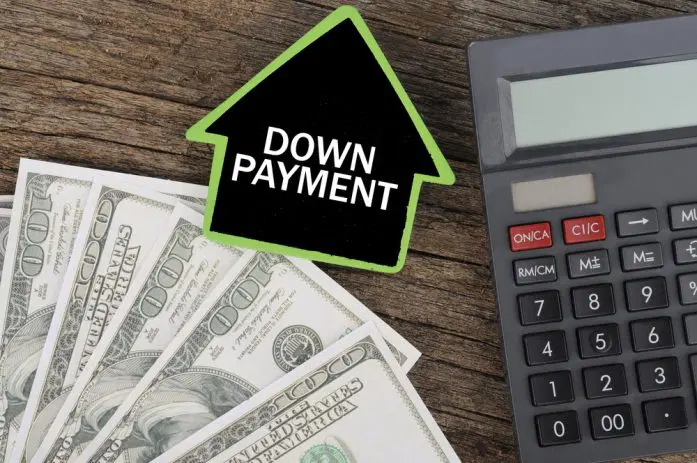
Using A 401(K) For A Down Payment: The Pros And Risks In 2026
(MENAFN- Free Financial Advisor) Image Source: Shutterstock
A house key can feel heavier than gold, especially in a market that refuses to sit still. Prices keep climbing, savings accounts feel painfully slow, and suddenly that 401(k) starts looking less like“retirement someday” and more like“solution right now.” The idea grabs attention for a reason: it promises speed, access, and a shortcut to homeownership.
But this move doesn't come with a simple yes-or-no answer. It carries real benefits and real consequences, and both deserve a clear spotlight before any decision takes shape. If you're contemplating making this move, there are certain things you should keep in mind.
The Allure of Fast Cash: Why a 401(k) Feels Like a ShortcutA 401(k) sits quietly for years, growing in the background while contributions stack up and investments ride the market. Then the moment arrives when a down payment looms, and suddenly that account feels like a lifeline. Accessing those funds can eliminate the need to scrape together cash from multiple sources or delay a purchase for years. For buyers staring at rising home prices, speed becomes everything, and a 401(k) loan or withdrawal can deliver that speed in a way traditional savings often cannot.
A 401(k) loan allows borrowing from the account without triggering taxes or penalties, as long as repayment follows the rules. That structure creates a tempting scenario where the borrower essentially pays interest back to themselves instead of a bank. It feels efficient, almost clever, especially when compared to high-interest personal loans or draining emergency savings. Many plans allow borrowing up to 50% of the vested balance or $50,000, whichever comes first, which can cover a meaningful portion of a down payment.
Still, this convenience comes with strings that deserve attention. Repayment typically happens within five years, and missed payments can convert the loan into a taxable distribution. That shift adds income taxes and potentially a 10% early withdrawal penalty for those under 591⁄2. The appeal of quick access doesn't erase the reality that retirement funds serve a long-term purpose, and pulling from them changes the trajectory of future growth.
Skipping the Loan Altogether: The Temptation of Early WithdrawalsSome buyers don't want the burden of repayment hanging over their heads, which makes a direct withdrawal feel like the cleaner option. Cash comes out, the down payment gets funded, and no monthly obligation follows. That simplicity attracts attention, especially for buyers already juggling a mortgage, insurance, and other housing costs. But this path introduces immediate financial consequences that can't be ignored.
Withdrawals from a traditional 401(k) before age 591⁄2 usually trigger income taxes on the full amount plus a 10% penalty. That means a $20,000 withdrawal could shrink significantly after taxes take their share. Certain exceptions exist, but buying a primary residence does not qualify for penalty-free withdrawals from a 401(k) the way it might for an IRA. That distinction catches many people off guard and turns what looked like a straightforward move into a costly one.
Even beyond taxes, a withdrawal permanently removes money from the account. That money no longer grows, compounds, or benefits from market rebounds. Over decades, that missing chunk can translate into tens of thousands of dollars-or more-lost from retirement savings. The short-term win of securing a home can quietly evolve into a long-term setback, and that tradeoff deserves serious thought.
The Hidden Cost: What Happens to Long-Term GrowthRetirement accounts rely on time more than anything else. Contributions matter, investment choices matter, but time does the heavy lifting through compounding. Pulling money out interrupts that process in a way that often feels invisible in the moment. The balance drops, but the bigger story lies in what that balance could have become over 20 or 30 years.
Imagine a scenario where $30,000 leaves a 401(k) in 2026. If that amount had earned an average annual return of 6% to 7%, it could grow into well over $100,000 by retirement. That gap doesn't show up on a bank statement today, but it becomes very real later. Many people underestimate this effect because it unfolds slowly and quietly, without the urgency of a monthly bill or immediate consequence.
A loan softens this blow slightly because the money returns to the account over time. Still, repayments often happen with after-tax dollars, which introduces a subtle inefficiency. Contributions also may pause during repayment, especially if cash flow tightens, which further reduces long-term growth. Every dollar diverted away from consistent investing chips away at the compounding engine that retirement planning depends on.
Risk Meets Reality: Job Changes and Unexpected TwistsLife rarely follows a neat, predictable script, and that reality matters when a 401(k) loan enters the picture. Many plans require full repayment of the loan if employment ends, whether through a job change, layoff, or other transition. That requirement can create pressure at exactly the wrong time, turning a manageable loan into a sudden financial burden.
If repayment doesn't happen within the required window, the remaining balance often converts into a distribution. That shift triggers taxes and potentially penalties, adding stress to an already uncertain situation. The risk doesn't feel urgent when everything runs smoothly, but it becomes very real when circumstances change quickly. Anyone considering this move needs to factor in not just today's job stability but also the possibility of unexpected shifts.
Even without job changes, life events can complicate repayment. Medical expenses, family obligations, or shifts in income can tighten budgets and make loan payments harder to maintain. A 401(k) loan doesn't offer the same flexibility as some other forms of borrowing, and that rigidity can create challenges when priorities shift. Planning for these scenarios upfront can prevent unpleasant surprises later.
Strategic Moves: When It Might Actually Make SenseDespite the risks, using a 401(k) for a down payment doesn't automatically signal a bad decision. Certain situations can make this strategy more reasonable, especially when alternatives carry higher costs or greater risks. For example, avoiding private mortgage insurance by increasing a down payment can save significant money over time. In that case, tapping a 401(k) might support a broader financial strategy rather than undermine it.
A 401(k) loan can also make sense for buyers with stable employment, strong cash flow, and a clear repayment plan. The ability to access funds without immediate taxes or penalties offers a level of flexibility that other options don't match. When handled carefully, this approach can bridge the gap between current savings and homeownership without derailing long-term goals.
Still, this strategy works best alongside a disciplined plan to rebuild retirement savings quickly. Increasing contributions after repayment, maintaining consistent investing, and avoiding repeated withdrawals can help offset the impact. Treating the 401(k) as a temporary tool rather than a permanent funding source keeps the bigger financial picture intact. Thoughtful planning turns this move from a gamble into a calculated decision.
Image Source: Shutterstock
What Actually MattersA 401(k) can open the door to a home faster than almost any other option, but that door swings both ways. Quick access to cash feels powerful, yet it comes with tradeoffs that stretch far into the future. Every dollar pulled today carries a story that continues for decades, and that story deserves attention before any move happens.
Balancing short-term goals with long-term security requires more than a quick calculation. It demands a clear understanding of risks, a realistic view of future income, and a commitment to rebuilding what gets used. The right choice depends on individual circumstances, not just market conditions or urgency. A home purchase should strengthen financial stability, not quietly weaken it over time.
So here's the real question: does tapping a 401(k) move the entire financial picture forward, or does it solve one problem while creating another? Share your thoughts, strategies, or experiences-what approach feels smartest in today's market, and why?

Legal Disclaimer:
MENAFN provides the
information “as is” without warranty of any kind. We do not accept
any responsibility or liability for the accuracy, content, images,
videos, licenses, completeness, legality, or reliability of the information
contained in this article. If you have any complaints or copyright
issues related to this article, kindly contact the provider above.
Most popular stories
Market Research

More Story








Comments
No comment