




403
Sorry!!
Error! We're sorry, but the page you were looking for doesn't exist.
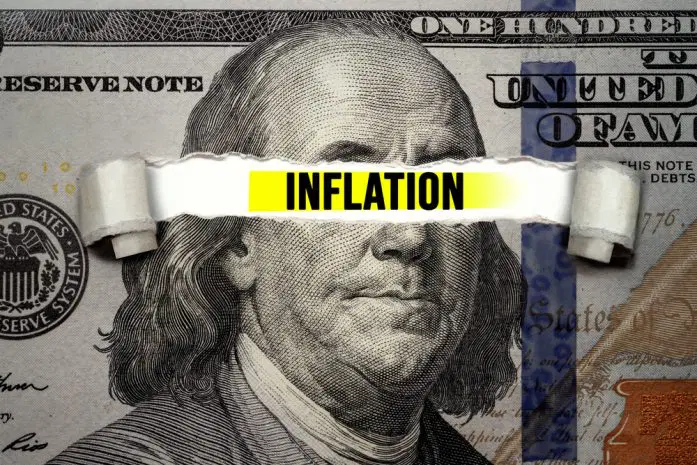
6 Alternative Assets To Hedge Against Inflation
(MENAFN- Free Financial Advisor) Image Source: Shutterstock
Inflation can sneak into your finances like an uninvited guest, quietly shrinking purchasing power while your savings struggle to keep up. The usual bank accounts and bonds often feel like shields against nothing when prices climb, leaving people scrambling for smarter ways to protect wealth. Alternative assets offer a compelling solution because they operate outside traditional markets, providing both potential growth and a buffer against rising costs. These unconventional options aren't just for Wall Street pros-they can become valuable tools in anyone's financial toolkit.
Exploring alternative assets requires more than just curiosity; it demands strategy, research, and a willingness to consider options that might seem unusual at first. While stocks and bonds dominate most portfolios, diversifying with tangible and non-traditional assets creates resilience when inflation spikes. Each type of asset carries its own advantages, risks, and liquidity considerations, making understanding the landscape crucial.
1. Glittering Gold and Precious MetalsGold has earned its reputation as the ultimate inflation hedge for centuries, and that status isn't just historical mythology. When the value of paper money declines, tangible precious metals like gold, silver, and platinum often retain or even grow in value. These metals are universally recognized, highly liquid, and portable, which makes them incredibly versatile for hedging purposes. Collecting coins or bars adds a tactile element to investing, turning a financial strategy into a physical asset that can be stored safely or even gifted.
Silver, while often overshadowed by gold, provides another interesting layer of diversification. Unlike gold, silver tends to have industrial demand, linking it to economic cycles in ways that balance portfolio risk differently. Platinum and palladium, rarer than gold, can add extra upside for investors willing to handle volatility. Investing in metals doesn't require a full vault at home-ETFs and precious metal funds offer exposure without the storage challenges. Whether acquired physically or digitally, metals remain a steadfast shield against inflation, grounding portfolios when markets wobble.
2. Real Estate That Stands the Test of TimeProperty continues to offer an effective hedge against rising prices, but it's not just about buying a home. Real estate investment trusts (REITs ), rental properties, and even vacation homes can generate income while appreciating in value. Inflation often drives up both rent and property prices, meaning owning real estate can counteract the eroding effect of rising costs. Physical property also provides a tangible sense of security that paper assets cannot replicate.
Beyond traditional residential spaces, commercial real estate offers compelling alternatives, from storage units to office spaces repurposed for co-working. Investors benefit from rental income that often escalates alongside inflation, creating a natural buffer. Location matters more than ever-growing markets with strong demand typically deliver both income and appreciation, while stagnant areas carry risk. Real estate remains a long-term play, requiring patience and management, but its dual ability to produce cash flow and hedge against inflation makes it a central alternative asset.
3. Collectibles: From Art to Action FiguresHigh-quality collectibles have skyrocketed in value over the past decades, turning rare items into a surprisingly reliable inflation shield. Classic paintings, limited-edition sneakers, vintage toys, and rare comic books all represent markets that often move independently of stock and bond fluctuations. Scarcity drives value, and in many cases, demand continues to grow even during economic downturns. Collectibles combine enjoyment and investment, allowing for personal passion to meet financial strategy.
The key to success in this area lies in expertise and authenticity. Provenance, condition, and rarity can make or break an item's investment potential. Unlike traditional assets, collectibles require active research and careful curation, but the payoff can be impressive. Modern platforms also facilitate buying, selling, and verifying collectibles, reducing some of the friction in these markets. While not every collectible will explode in value, a well-chosen piece can preserve purchasing power while adding a layer of fun to a portfolio.
4. Cryptocurrencies: Digital Gold?Digital currencies have become a heated topic in wealth protection discussions, offering high volatility but strong inflation hedging potential. Bitcoin and other major cryptocurrencies are often framed as digital gold due to their limited supply and independence from government-controlled currencies. This makes them attractive during periods when fiat money loses value. Cryptocurrency also provides global accessibility, with the ability to transfer and store value digitally across borders.
That said, crypto carries risk unlike traditional assets. Extreme price swings demand careful strategy, diversification, and risk tolerance. Many investors use small allocations to gain exposure without jeopardizing stability. Other blockchain-based assets, such as Ethereum or stablecoins pegged to tangible value, diversify the digital component of a portfolio. While adoption and regulation evolve, cryptocurrencies remain a modern, exciting alternative for those looking to hedge against inflation while exploring the frontier of finance.
Image Source: Shutterstock
5. Farmland and AgricultureOwning farmland might feel old-school, but it's one of the most direct ways to hedge against inflation because land and food production inherently retain value. Crops, livestock, and timber generate income that often rises with commodity prices, creating both cash flow and long-term appreciation. Farmland has historically delivered steady returns and resilience, especially during periods of economic uncertainty.
Investing doesn't always require boots in the dirt. Farmland investment platforms and REITs focused on agricultural land allow participation without daily hands-on management. Beyond direct returns, farmland provides tangible security-people need food regardless of inflation rates, and owning productive land creates a natural hedge. Strategic selection, soil quality, and crop types matter for maximizing returns, but agriculture remains a surprisingly powerful alternative asset for forward-thinking investors.
6. Hedge Funds and Private EquityWhile traditional portfolios rely on public stocks and bonds, hedge funds and private equity offer access to alternative strategies that aren't tied to inflation in the same ways. Hedge funds use tactics like short selling, derivatives, and global diversification to generate returns even in uncertain markets. Private equity invests directly in private companies, capturing growth opportunities inaccessible through public trading. Both can act as insulation from inflationary pressures, although they require higher entry thresholds and professional guidance.
These vehicles excel at creating tailored risk-return profiles, with managers adjusting strategies to respond to market fluctuations. Investors benefit from expertise and active management that anticipate inflationary trends before they hit mainstream markets. Diversification across sectors and geographies reduces dependency on any single economy, adding a layer of protection. While access may be limited, incorporating hedge funds or private equity into a portfolio can significantly enhance resilience against inflation.
Inflation Defense Starts Before Prices SpikeAlternative assets aren't just about novelty-they form a strategic shield for wealth that stretches beyond traditional investments. Combining metals, real estate, collectibles, cryptocurrencies, farmland, and specialized investment vehicles creates a portfolio that can withstand inflation while offering growth opportunities. Timing and research remain essential, but the payoff lies in protection, flexibility, and long-term resilience. A diversified approach ensures that rising costs don't automatically erode financial security, making wealth preservation both practical and exciting.
Which alternative assets do you think hold the strongest potential to beat inflation, and have you tried any unconventional investments yourself? Share strategies, experiences, or surprising success stories in the comments and start a conversation about creative ways to protect wealth.

Legal Disclaimer:
MENAFN provides the
information “as is” without warranty of any kind. We do not accept
any responsibility or liability for the accuracy, content, images,
videos, licenses, completeness, legality, or reliability of the information
contained in this article. If you have any complaints or copyright
issues related to this article, kindly contact the provider above.
Most popular stories
Market Research

More Story








Comments
No comment