




403
Sorry!!
Error! We're sorry, but the page you were looking for doesn't exist.
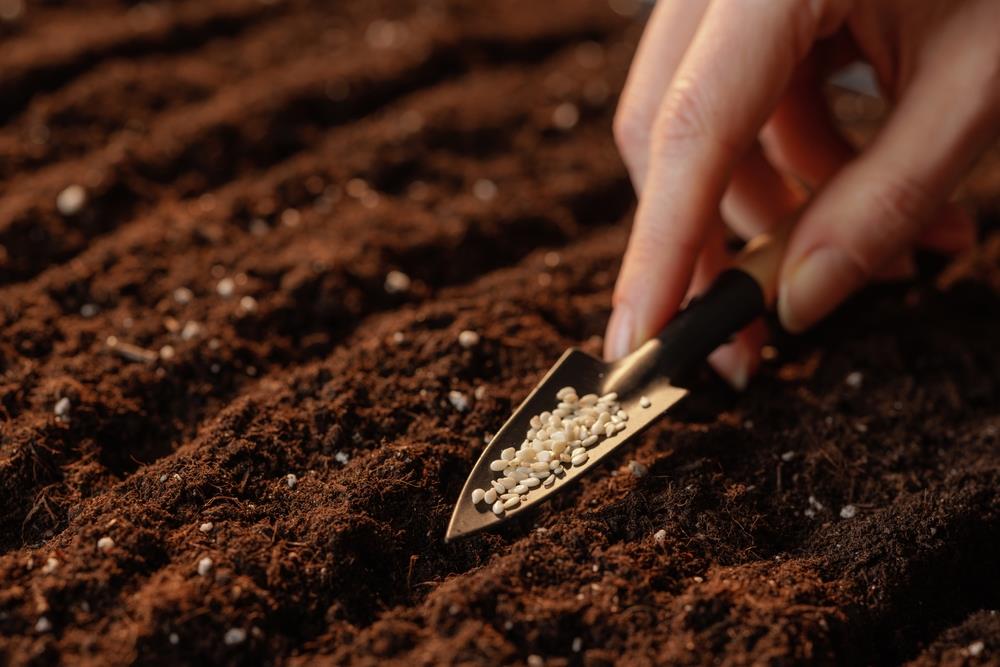
Why Some Seeds Don't Germinate
(MENAFN- Frugal Gardening) Image source: Shutterstock

A seed holds everything it needs to become a living, breathing plant, yet not every seed rises to the occasion. That tiny package carries instructions, energy, and potential, but one wrong move can shut the whole process down before it even begins. Germination looks simple from the outside, but the truth hides beneath the soil where temperature, moisture, timing, and handling all collide in ways that can make or break success.
A tray full of soil and hope can quickly turn into a quiet disappointment when nothing sprouts. That silence usually points to a specific problem, not bad luck. Seeds follow rules, and when those rules don't get met, they simply stay dormant or fail entirely.
The Silent Saboteur: Old or Poor-Quality SeedsSeeds don't last forever, even though they look perfectly fine sitting in a packet. Over time, the internal structures that support germination start to break down, and that decline reduces the chances of successful sprouting. Some seeds stay viable for years, while others lose strength much faster, especially when storage conditions swing between heat, light, and humidity. A seed might still look intact, but it can lose the energy needed to push out that first root.
Gardeners often overlook expiration dates or assume that a leftover packet will perform just as well the next season. That assumption can lead straight to disappointment when nothing emerges from the soil. A quick germination test can save time and frustration by revealing whether seeds still have life left in them. Placing a few seeds on a damp paper towel and watching for sprouting gives a clear answer before committing to a full planting.
Storage plays a huge role in seed longevity, and careless handling can shorten their lifespan dramatically. Cool, dark, and dry conditions keep seeds viable for longer periods, while exposure to moisture or heat speeds up deterioration. Airtight containers in a stable environment can make a noticeable difference. Investing a little effort in proper storage can turn a questionable batch of seeds into a reliable one for future planting.
Too Much or Too Little: Watering Gone WrongWater kicks off the germination process, but balance matters more than enthusiasm. Seeds need moisture to activate enzymes and soften their outer coating, yet too much water can suffocate them before they even begin to grow. Oversaturated soil blocks oxygen, which seeds need just as much as moisture, and that lack of air can cause seeds to rot instead of sprout. On the flip side, dry soil stops germination before it even starts. Seeds that don't receive enough moisture remain dormant, waiting for conditions that never arrive.
Consistent moisture makes all the difference, and that doesn't mean soaking the soil into a muddy mess. Light, regular watering keeps the environment stable without drowning the seeds. A spray bottle or gentle watering can help maintain that balance, especially during the early stages. Checking soil moisture daily ensures that seeds receive exactly what they need to begin their growth journey.
Temperature Trouble: Seeds Have PreferencesSeeds don't germinate on a one-size-fits-all schedule, and temperature plays a major role in determining when they wake up. Each type of seed has an ideal temperature range, and stepping too far outside that range can delay or completely stop germination. Cool-season crops often prefer lower temperatures, while warm-season plants need heat to trigger their growth process. Planting seeds too early in cold soil can lead to long delays or complete failure, especially for heat-loving varieties. The soil might look ready, but the internal temperature can still sit far below what seeds require. On the other end, excessive heat can dry out the soil too quickly or damage the delicate structures inside the seed. That balance between warmth and stability becomes essential for success.
Simple tools like a soil thermometer can take the guesswork out of planting time. Checking soil temperature before sowing seeds ensures that conditions match the needs of each plant. Indoor setups can benefit from heat mats, which provide consistent warmth and improve germination rates for many species. Matching temperature to seed preference can transform a slow or failed start into a thriving batch of seedlings.
Planted Too Deep or Too Shallow: Depth Matters More Than You ThinkPlanting depth might seem like a small detail, but it can completely determine whether a seed ever reaches the surface. Seeds planted too deep may never break through the soil, as they run out of energy before reaching light. Those planted too shallow may dry out quickly or fail to establish proper root contact with the soil. Each seed type comes with its own depth preference, often based on size. Larger seeds typically need deeper planting, while smaller seeds require only a light covering or even direct exposure to light. Ignoring those guidelines can create uneven results that leave some seeds struggling while others thrive.
Following the recommended planting depth listed on seed packets can dramatically improve outcomes. When in doubt, a general rule suggests planting seeds at a depth about two to three times their size. Gentle soil coverage and light pressing can help maintain contact without burying the seed too deeply. Paying attention to this detail can make the difference between a full tray of seedlings and an empty one.
Soil That Works Against YouSoil doesn't just hold seeds in place; it directly influences their ability to germinate. Heavy, compacted soil can restrict airflow and make it difficult for roots to push through. Poor drainage can lead to waterlogged conditions that suffocate seeds, while overly sandy soil may fail to retain enough moisture.
A high-quality seed-starting mix can solve many of these issues by providing the right balance of moisture retention and aeration. These mixes often contain materials like peat, coconut coir, or perlite, which create a lighter structure that supports early growth. Regular garden soil may seem convenient, but it often lacks the consistency needed for reliable germination.
Fresh soil also reduces the risk of disease, which can attack seeds before they even sprout. Pathogens in old or contaminated soil can cause seeds to rot or seedlings to collapse shortly after emerging. Using clean containers and fresh growing media can significantly improve success rates. Healthy soil creates the foundation that seeds need to thrive from the very beginning.
Image source: Shutterstock
Turning Failure Into Better GrowthEvery failed seed tells a story, and those stories hold valuable lessons for future planting. Instead of seeing poor germination as a setback, it can serve as a guide for improving technique, timing, and preparation. Small adjustments can lead to big improvements, especially when each attempt builds on the last.
Success in gardening doesn't come from perfection; it comes from understanding and adapting. Paying attention to details like seed quality, watering, temperature, and soil can dramatically increase germination rates. Each factor plays a role, and addressing them together creates a strong foundation for growth.
What changes have made the biggest difference in seed germination success, or what challenges still keep showing up? Share experiences, tips, or even frustrating failures in the comments and see how others tackle the unpredictable world of seeds.

Legal Disclaimer:
MENAFN provides the
information “as is” without warranty of any kind. We do not accept
any responsibility or liability for the accuracy, content, images,
videos, licenses, completeness, legality, or reliability of the information
contained in this article. If you have any complaints or copyright
issues related to this article, kindly contact the provider above.
Most popular stories
Market Research

More Story







Comments
No comment