




403
Sorry!!
Error! We're sorry, but the page you were looking for doesn't exist.
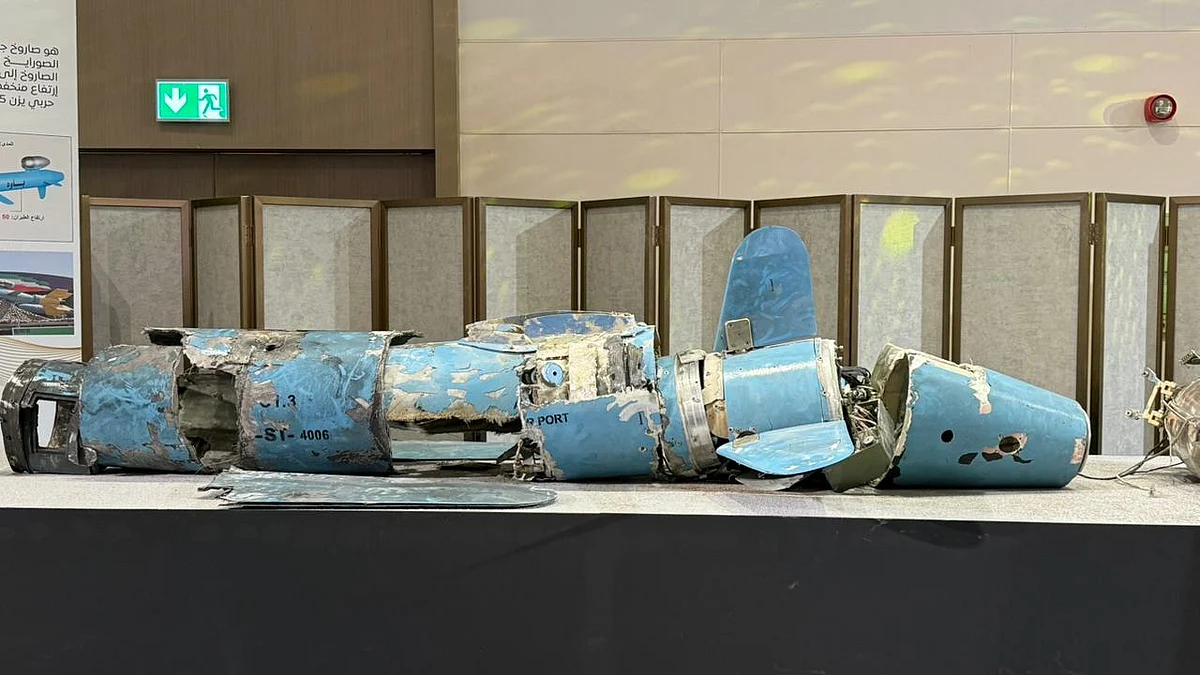
Iranian Attacks In The Gulf: Deaths, Injuries, Key Events Since February 28
(MENAFN- Khaleej Times) After Israel and US launched "pre-emptive strikes" on Iran on February 28, regional tensions quickly escalated and spread across the Middle East, as Iran vowed to defend itself by targeting US bases in the GCC. Then, on March 7, Iran's President apologised to its neighbours, making a conditional promise for no more attacks - provided none originated from said countries.
Over the last eight days, however, Iran launched a relentless, daily barrage of attacks on the UAE, Qatar, Kuwait, Saudi Arabia, Bahrain, and Oman. While the GCC nations have collectively condemned the attacks on civilian areas and infrastructure, they have exercised notable restraint in not launching retaliatory attacks of their own - despite reserving their right to do so.
Recommended For You UAE Friday sermon urges unity, warns against rumours after 'unlawful attack'Below are official records revealed by authorities of casualties, fatalities, and key incidents. [Disclaimer: Due to the rapidly changing nature of these developments, numbers are subject to change. Details will be updated where possible.]
Stay up to date with the latest news. Follow KT on WhatsApp channels.
UAEIn numbers: As on March 7, official figures released by authorities in the UAE recorded four fatalities and 112 injuries.
The Emirates have been subject to more than 1,500 drone and missile attacks since Saturday, February 28 - "exceeding the combined total of attacks suffered by all other targeted countries". The Ministry of Defence revealed that roughly 94% of these were intercepted, while the remaining drones either fell into the sea or into the country's territory.
Key incidents:
- The first death occurred during a drone attack on Zayed International Airport, which also injured seven others. On March 1, the death toll rose to three. The fatalities included Pakistani, Nepalese, and Bangladeshi expats. The most recent fatality occurred on March 7 after shrapnel hit a vehicle in Al Barsha after an attack was intercepted.
Shrapnel from intercepted attacks caused minor or limited fires at several locations - including the Burj Al Arab, Jebel Ali Port, and the vicinity of the US Consulate in Dubai, Al Hamra Village in RAK, and Fujairah oil industry zone. However, these were quickly contained. In separate statements, authorities also revealed that two of the casualties occurred when debris of intercepted drones fell into residents' courtyards, while a mother and child were injured under similar circumstances at Etihad Towers, and six others were injured when shrapnel fell in Abu Dhabi's ICAD 2 area.
What has the UAE said? To 'enemies of the UAE', President Sheikh Mohamed bin Zayed Al Nahyan said: "The UAE is beautiful. It is a model. But do not be misled by the UAE's appearance. The UAE has thick skin and bitter flesh; we are no easy prey. We will carry out our duty towards our country, our people, and our residents who are also part of our family."
QATARIn numbers: Qatar's Ministry of Interior on March 1 said 16 people were injured due to falling shrapnel. No deaths have been reported so far.
As on March 5, Qatar has fielded over 160 attacks that included ballistic and cruise missiles as well as drones since the start of the war.
Key incidents:
- Qatar's air force shot down two Sukhoi Su-24 bombers on March 2, the defence ministry said.
Attempts to attack the Hamad International Airport were also foiled, its Ministry of Foreign Affairs said. The Gulf state halted its production of liquefied natural gas on March 2 after its defence ministry reported Iranian drones targeted energy infrastructure sites in Ras Laffan Industrial City and Mesaieed.
What has Qatar said? Qatar's Prime Minister and Minister of Foreign Affairs, Sheikh Mohammed bin Abdulrahman bin Jassim Al Thani, explicitly rejected Iranian claims that recent missile attacks were not aimed at Qatar, saying that evidence indicated otherwise.
He added that Iranian actions did not indicate any genuine desire for de-escalation, and accused Tehran of seeking to draw its neighbours into a war "that is not theirs".
KUWAITIn numbers: In its inaugural media briefing on March 6, Kuwait listed a total of 3 deaths, including two soldiers and an 11-year-old (identified by other media as an Iranian girl ), as well as 71 casualties, including 67 soldiers and four civilians.
Additionally, the US confirmed six American soldiers were killed after an Iranian drone hit a military facility on March 1.
Kuwait said it has detected over 600 attacks by Iran, using ballistic missiles and drones, since the onset of the war.
Key incidents:
- On February 28, Kuwait confirmed that the Ali Al-Salem Air Base was targeted by missiles that were successfully intercepted.
On March 1, an "unmanned aircraft system" evaded air defences to hit a command centre in Port Shuaiba that killed six US army reserves. Three US F-15 fighter jets were mistakenly shot down by Kuwaiti air defences on March 2. All six crew members ejected safely. US Central Command later described the event as an apparent "friendly-fire incident".
The US embassy in Kuwait was also the target of attacks on March 2, an aggression that Kuwait's Ministry of Foreign Affairs condemned as "brutal and unacceptable". The embassy further suspended operations on March 5.
What has Kuwait said? Kuwait has called the Iranian attacks 'brazen' for targeting its airspace and territory. In a statement by the Cabinet, it further described the attacks as a "blatant violation of the country's sovereignty, international law, and the UN charter.
BAHRAINIn numbers: According to available official information, Bahrain recorded one death and six injuries between March 1 and 2.
As on March 7, Bahrain's Ministry of Interior said it had destroyed 86 missiles and 148 drones since the start of the war.
Key incidents:
- On March 1, an Iranian attack targeted a maritime facility near Salman Port, causing a fire.
One person was killed and two injured after debris from an intercepted missile fell on board a foreign vessel undergoing maintenance at Salman Industrial City on March 2. On March 5, authorities said a limited fire broke out in a Bapco Energies refinery unit following an Iranian missile strike but was contained.
On March 6, the Ministry of Interior confirmed that a hotel and two residential buildings in Manama had been targeted in strikes. Qatar condemned an Iranian attack that targeted buildings in various areas of Bahrain on March 6 housed personnel from its naval forces.
What has Bahrain said? Dr Abdullatif bin Rashid Al Zayani, Minister of Foreign Affairs, called the Iranian aggressions "appalling". He added that "terrorising innocent civilians and peaceful residents, particularly during the holy month of Ramadan, [was] entirely unjustifiable" - especially in light of the Kingdom's commitment to peace and diplomacy to resolve disputes.
OMANIn numbers: As per official information available, one person - an Indian - has been killed and five others injured since the attacks began on February 28. Strikes have primarily targeted ports and tankers off the Sultanate's coast.
Key incidents:
- Several drones have targeted the Duqm Commercial Port in separate instances over the last week. On March 1, one person was injured when a mobile worker's accommodation was struck.
On the same day, a US-sanctioned oil tanker was hit off Oman's Musandam peninsula, injuring four people, the country's maritime security centre said. On March 1, one person was also killed after a projectile hit the tanker MKD VYOM off the coast of Muscat.
What has Oman said? Oman's foreign minister on March 1 said he still believes in the power of diplomacy to resolve the conflict. "The sooner talks are resumed the better it is for everyone," Badr Albusaidi said in a post on X. On March 3, he reiterated that his country's call was for an immediate ceasefire and a return to responsible regional diplomacy. "There are off-ramps available, let's use them," he urged.
SAUDI ARABIAIn numbers: The Kingdom has reported no deaths or casualties. While Saudi authorities have not released a total tally of the number of attacks it has endured since the war began, available information released by the ministry show roughly 40 attacks were detected over the last week, targeting various sites in the Kingdom.
Key incidents:
- On March 2, state oil giant Aramco shut down its Ras Tanura refinery after it was targeted by a drone strike.
The US embassy in Riyadh was struck by two drones, causing a limited fire and material damage, on March 3. The Defence Ministry said on March 6 and 7 it had intercepted and destroyed several missiles and drones targeting Shaybah oil field, Prince Sultan Air Base, and the east of Riyadh.
What has Saudi Arabia said? On March 7, Defence Minister Prince Khalid bin Salman urged Iran on Saturday to "exercise wisdom and avoid miscalculation", following repeated missile and drone launches. The Kingdom will take all necessary measures to defend its security and protect its territory, citizens and residents, the Saudi Cabinet said in a statement issued March 4. On the first day of the attacks, the foreign ministry called the aggression "cowardly", stating that it came despite Riyadh saying it wouldn't allow its airspace to be used against Iran.
ALSO READ- Watch: UAE releases footage of forces intercepting Iranian missiles, drones in mid-air Day 8: Iran apologises to neighbours; UAE President warns 'enemies' as death toll rises to 4

Legal Disclaimer:
MENAFN provides the
information “as is” without warranty of any kind. We do not accept
any responsibility or liability for the accuracy, content, images,
videos, licenses, completeness, legality, or reliability of the information
contained in this article. If you have any complaints or copyright
issues related to this article, kindly contact the provider above.
Most popular stories
Market Research

More Story




Comments
No comment