




403
Sorry!!
Error! We're sorry, but the page you were looking for doesn't exist.

GCC Credit Markets Steady After Early Conflict Jitters Arabian Post
(MENAFN- The Arabian Post)
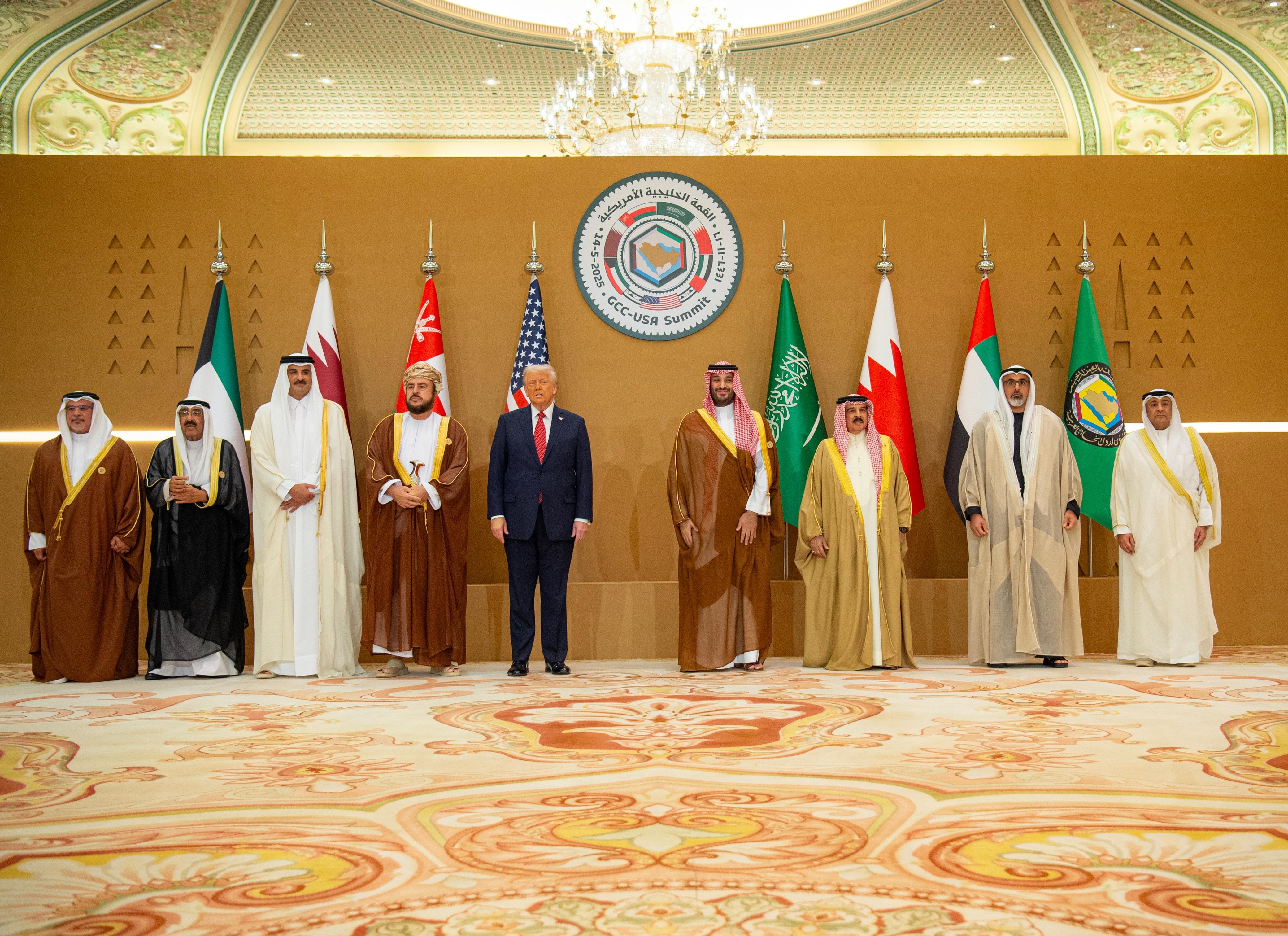
Credit spreads across Gulf bond markets have stabilised after widening briefly during the opening phase of the Middle East conflict, with investor demand returning to regional debt and supporting prices across several sectors.
Trading activity in the days following the escalation showed spreads narrowing from earlier volatility, particularly in high-yield real estate bonds issued by companies across the Gulf Cooperation Council. Market participants say the shift reflects a rebound in investor confidence and the continued appeal of regional credit even amid geopolitical uncertainty.
Analysts tracking the market point to a combination of global and regional factors behind the stabilisation. A rise in US Treasury yields has helped anchor valuations in the credit market, while the resilience of bond cash prices has limited the depth of the earlier sell-off. According to Fady Gendy, senior fixed income portfolio manager at Arqaam Capital, spreads in the region have moved back to levels close to where they traded before the initial shock.
“The rise in US yields and the stickiness of bond cash prices have contributed, at least in part, to the tightening in spreads,” Gendy said, noting that renewed demand from investors emerged within days of the escalation.“Beginning in the second half of Tuesday and continuing into today, we've also seen a rebound in risk sentiment, with renewed buying interest across the region.”
Market data indicates that the first reaction to the outbreak of hostilities triggered modest spread widening across GCC issuers as investors reassessed geopolitical risks and liquidity conditions. High-yield real estate names experienced the most visible movement because of their sensitivity to global risk sentiment and their relatively higher yields compared with sovereign and investment-grade bonds.
See also Dubai moves ahead with underground Loop transport planHowever, the repricing proved short-lived. By the middle of the week, traders reported spreads returning to levels broadly in line with pre-conflict conditions. Some bonds even traded marginally tighter as buyers stepped back into the market.
The stabilisation underscores the growing maturity of Gulf debt markets, which have expanded significantly during the past decade as governments and corporations across the region diversified funding sources beyond bank lending. Sovereign wealth funds, large infrastructure programmes and state-linked developers have turned to international bond markets to raise capital, deepening liquidity and attracting global institutional investors.
GCC issuers now represent a sizeable share of emerging market bond indices, drawing allocations from pension funds, asset managers and insurers seeking exposure to energy-linked economies with comparatively strong fiscal positions. Countries such as Saudi Arabia, the United Arab Emirates and Qatar maintain investment-grade credit ratings supported by hydrocarbon revenues and large foreign reserves.
These structural factors have helped cushion the market from geopolitical shocks that once caused sharper swings in regional assets. Portfolio managers note that investors increasingly differentiate between short-term political events and longer-term credit fundamentals when assessing Gulf debt.
Oil prices also play a central role in shaping investor sentiment toward the region's bonds. Elevated crude prices strengthen fiscal balances and support government spending, which in turn benefits state-linked corporates and infrastructure projects. With energy markets remaining firm amid global supply concerns, many investors view Gulf sovereign and quasi-sovereign debt as relatively stable compared with other emerging market segments.
Another driver behind the tightening of spreads has been the behaviour of US Treasury yields, the benchmark against which most international bonds are priced. Rising yields in the United States can reduce pressure on spreads because the overall yield available to investors increases even if credit risk premiums remain stable.
See also Shell explores stake sale in North West ShelfMarket participants say this dynamic has helped absorb volatility triggered by geopolitical developments. Even as investors reassessed regional risk, the upward movement in benchmark yields allowed Gulf bonds to maintain attractive overall returns.
The real estate sector, which initially saw the most pronounced spread widening, has also attracted renewed interest. Large developers across the Gulf have issued high-yield bonds to finance ambitious urban projects and tourism developments tied to economic diversification programmes.
Investors generally regard these companies as benefiting from strong government backing and robust domestic demand, particularly in cities such as Dubai, Riyadh and Doha where population growth and infrastructure investment remain strong.
Trading desks in regional financial centres reported steady flows from international investors re-entering the market once the initial shock subsided. Portfolio managers describe the buying as selective, focusing on issuers with solid balance sheets and visible revenue streams.
Notice an issue? Arabian Post strives to deliver the most accurate and reliable information to its readers. If you believe you have identified an error or inconsistency in this article, please don't hesitate to contact our editorial team at editor[at]thearabianpost[dot]com. We are committed to promptly addressing any concerns and ensuring the highest level of journalistic integrity.

Legal Disclaimer:
MENAFN provides the
information “as is” without warranty of any kind. We do not accept
any responsibility or liability for the accuracy, content, images,
videos, licenses, completeness, legality, or reliability of the information
contained in this article. If you have any complaints or copyright
issues related to this article, kindly contact the provider above.
Market Research

More Story








Comments
No comment