




403
Sorry!!
Error! We're sorry, but the page you were looking for doesn't exist.
Qatar Gas Halt Sends Global LNG Prices Sharply Higher Arabian Post
(MENAFN- The Arabian Post)
Arabian Post Staff -Dubai

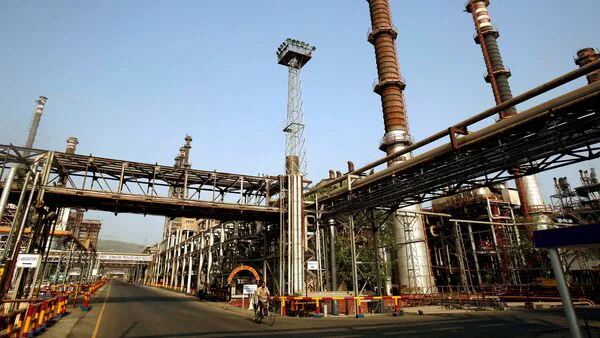
QatarEnergy, the state-owned energy company of Qatar, has halted production at its liquefied natural gas export facilities following Iranian drone strikes, triggering a major surge in global gas prices and underscoring vulnerabilities in energy markets. The suspension of operations at the Ras Laffan and Mesaieed Industrial City complexes, which together constitute the largest LNG export infrastructure in the world, has removed roughly one-fifth of the world's export capacity from the global supply chain, compounding supply pressures already felt in Europe and Asia.
Wholesale natural gas prices in Europe jumped by more than 45% on the first trading day after the announcements, with Dutch and British benchmark contracts climbing rapidly as market participants scrambled for alternative supplies. Asian LNG benchmarks also spiked as buyers there weighed the shrinking availability of cargoes, intensifying competition across regions and elevating price volatility to levels not seen since the energy market upheavals of 2022.
The outage was prompted by a series of Iranian missile and drone attacks on energy infrastructure across the Gulf region, including the Ras Laffan Industrial City in Qatar. Ras Laffan was purpose-built in the mid-1990s to process gas from the vast South Pars/North Dome field, the world's largest offshore natural gas field shared between Qatar and Iran, and remains the heart of Qatar's LNG export operations.
Qatar's LNG exports accounted for about 19-20% of global seaborne supply in 2025, making the country a linchpin in the international gas trade and a key supplier to markets from Japan and South Korea to India and Europe. Its abrupt suspension of output has left buyers in all major consuming regions reassessing their supply strategies, with some turning to the United States and Australia to fill gaps, despite logistical and contractual limitations on quickly shifting volumes.
See also Gold's volatile turn unsettles traditional safe-haven viewsEurope's vulnerability has been magnified by depleted gas storage levels. Gas inventories across the European Union were running well below normal for this time of year before the halt in Qatari supplies, raising the spectre that further reductions in LNG inflows could translate into higher household energy bills and greater industrial costs months ahead if markets remain tight. Germany, Europe's largest gas consumer, had stored gas at roughly a quarter of typical capacity for early March, while Dutch reserves - home to Europe's main gas trading hub - were even lower.
Analysts have also pointed to the disruption of shipping through the Strait of Hormuz as a complicating factor. The narrow maritime chokepoint handles a significant share of global energy flows. Shipping companies have delayed or rerouted tankers over security concerns, reducing the movement of LNG and crude oil through the region and amplifying global supply constraints. While the strait has not been declared closed, insurers warning of elevated risk have contributed to a de facto slowdown in traffic.
The shocks to LNG markets have played into broader concerns about energy security. After Europe's push to diversify away from pipeline supplies from Russia following geopolitical tensions in Ukraine in 2022, LNG imports became a cornerstone of supply strategy for many nations. Qatar's position as a major seller under long-term contracts was seen as a stabilising factor. The abrupt removal of that supply has tested the durability of those strategies and prompted buyers to reassess contractual commitments and the geographical diversity of their sources.
In Asia, where Qatar had supplied nearly a third of China's and significant shares of India's and Japan's LNG imports in 2025, competition for alternative cargoes is mounting. Buyers in those markets are placing orders earlier and bidding aggressively on the spot market, tightening global availability and pressuring prices higher. LNG markets are inherently global, meaning shifts in one region inevitably ripple across others, and these dynamics are now on full display.
See also Strike-linked fire disrupts UAE AWS hubsMajor international energy companies with stakes in Qatar's LNG sector, including ExxonMobil, Shell, TotalEnergies and Eni, are closely monitoring developments as they assess the implications for future investment and supply contracts. The scale of the current disruption - born of geopolitical conflict rather than maintenance or economic shifts - has injected a geopolitical risk premium into LNG pricing that market participants say could reshape contract terms and strategic planning for years to come.
Notice an issue? Arabian Post strives to deliver the most accurate and reliable information to its readers. If you believe you have identified an error or inconsistency in this article, please don't hesitate to contact our editorial team at editor[at]thearabianpost[dot]com. We are committed to promptly addressing any concerns and ensuring the highest level of journalistic integrity.

Legal Disclaimer:
MENAFN provides the
information “as is” without warranty of any kind. We do not accept
any responsibility or liability for the accuracy, content, images,
videos, licenses, completeness, legality, or reliability of the information
contained in this article. If you have any complaints or copyright
issues related to this article, kindly contact the provider above.
Most popular stories
Market Research

More Story






Comments
No comment