





403
Sorry!!
Error! We're sorry, but the page you were looking for doesn't exist.

Vodafone Taps Amazon Satellites For Mast Links Arabian Post
(MENAFN- The Arabian Post)

Vodafone will begin linking mobile base stations in Germany to Amazon's low Earth orbit satellites this year, marking the first phase of a wider plan to extend coverage across parts of Europe and Africa where fibre and microwave backhaul remain patchy.
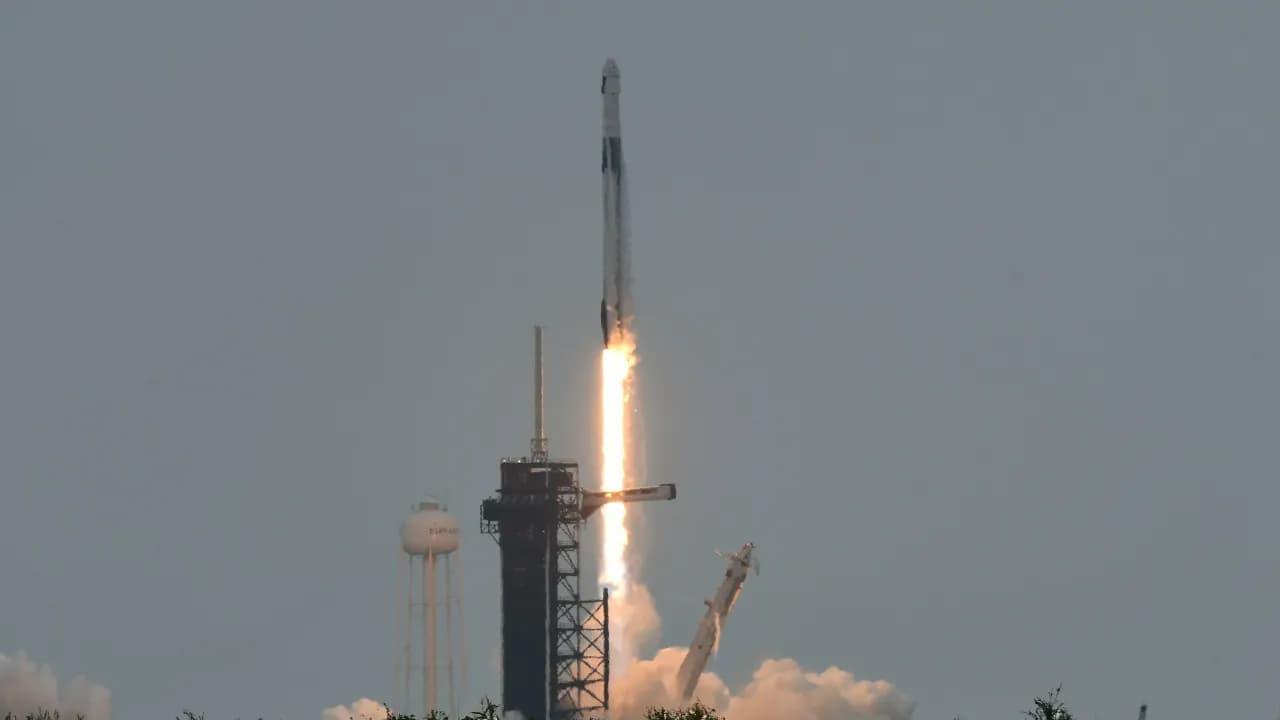
The partnership centres on Amazon's Project Kuiper constellation, a network of thousands of low Earth orbit satellites designed to deliver broadband connectivity from space. Vodafone said the technology would initially be used to connect remote radio masts in Germany and other European markets before being progressively deployed in sub-Saharan Africa, where terrestrial infrastructure gaps continue to limit 4G and 5G expansion.
Mobile operators typically rely on fibre optic cables or microwave links to connect base stations to core networks. In sparsely populated or geographically challenging areas, laying fibre can be prohibitively expensive and slow, while microwave links are constrained by distance and line-of-sight requirements. Low Earth orbit satellites, flying at altitudes of roughly 500 to 1,200 kilometres, offer lower latency than traditional geostationary satellites and can provide high-capacity backhaul without the need for extensive ground infrastructure.
Vodafone executives said the move is aimed at accelerating rural coverage while reducing capital expenditure associated with building fixed backhaul networks. Germany, with its mix of dense urban centres and rural regions, has faced political and regulatory pressure to improve mobile coverage quality. The operator has been expanding 5G services across the country, but coverage gaps persist in less populated districts.
Amazon's Project Kuiper is positioning itself as a rival to SpaceX's Starlink, which already serves both consumers and enterprise customers in multiple markets. Kuiper has secured regulatory approval from the US Federal Communications Commission to deploy more than 3,200 satellites and has begun launching operational units after testing prototypes. Commercial service is expected to scale as additional satellites are placed into orbit over the next two years.
See also UAE and Czech Republic deepen new economy tiesFor Vodafone, satellite backhaul is not a consumer broadband play but a network enhancement strategy. By connecting remote masts to Kuiper's network, the operator can extend mobile coverage to villages, transport corridors and industrial sites that lack reliable terrestrial links. That could support applications ranging from precision agriculture to connected logistics and public safety communications.
Africa represents a significant growth frontier. While mobile penetration has increased sharply across the continent over the past decade, coverage disparities remain stark between urban and rural areas. Industry data show that hundreds of millions of people in sub-Saharan Africa still live beyond the reach of stable mobile broadband. Satellite-enabled backhaul could help bridge that divide, particularly in countries where terrain, conflict or limited investment have slowed fibre deployment.
Analysts note that satellite connectivity has become a strategic battleground among technology and telecom groups. SpaceX has signed agreements with several operators to provide direct-to-device and backhaul services, while European initiatives are advancing sovereign satellite programmes aimed at reducing reliance on non-European systems. Amazon, backed by substantial financial resources, is seeking enterprise and operator partnerships to underpin Kuiper's commercial viability.
Financial considerations remain central. Deploying fibre across rural regions can cost tens of thousands of pounds per kilometre, depending on terrain and permitting requirements. Satellite ground terminals, while not inexpensive, can be installed more quickly and with fewer civil works. Vodafone has not disclosed financial terms of the arrangement but indicated that the approach could shorten rollout timelines for new sites.
Regulatory frameworks will also shape implementation. Satellite spectrum coordination, landing rights and data governance rules differ across European and African jurisdictions. Vodafone operates in multiple African markets through subsidiaries and partnerships, and any large-scale satellite integration will require alignment with national regulators.
See also Canada presses ahead with F-35 induction amid trade strainsCompetition concerns are likely to surface as well. European policymakers have emphasised digital sovereignty and resilience, particularly after supply chain disruptions and geopolitical tensions exposed vulnerabilities in critical infrastructure. Reliance on a US-based satellite provider may prompt scrutiny, even as operators weigh the practical benefits of rapid deployment.
Technical integration presents another challenge. Low Earth orbit constellations require user terminals capable of tracking moving satellites, and network management systems must handle dynamic routing between space-based and terrestrial links. Vodafone's engineers will need to ensure that latency, reliability and capacity meet standards for 4G and 5G services, especially for data-intensive applications such as video streaming and enterprise connectivity.
Industry observers say the deal underscores a broader convergence between telecom operators and technology companies. Rather than competing head-on, mobile groups are increasingly forming alliances with cloud and space providers to diversify infrastructure and manage costs. Amazon Web Services already supplies cloud computing services to telecom networks, and deeper integration between cloud, satellite and mobile systems could create new service models.
Notice an issue? Arabian Post strives to deliver the most accurate and reliable information to its readers. If you believe you have identified an error or inconsistency in this article, please don't hesitate to contact our editorial team at editor[at]thearabianpost[dot]com. We are committed to promptly addressing any concerns and ensuring the highest level of journalistic integrity.

Legal Disclaimer:
MENAFN provides the
information “as is” without warranty of any kind. We do not accept
any responsibility or liability for the accuracy, content, images,
videos, licenses, completeness, legality, or reliability of the information
contained in this article. If you have any complaints or copyright
issues related to this article, kindly contact the provider above.
Most popular stories
More Story







Comments
No comment