





403
Sorry!!
Error! We're sorry, but the page you were looking for doesn't exist.
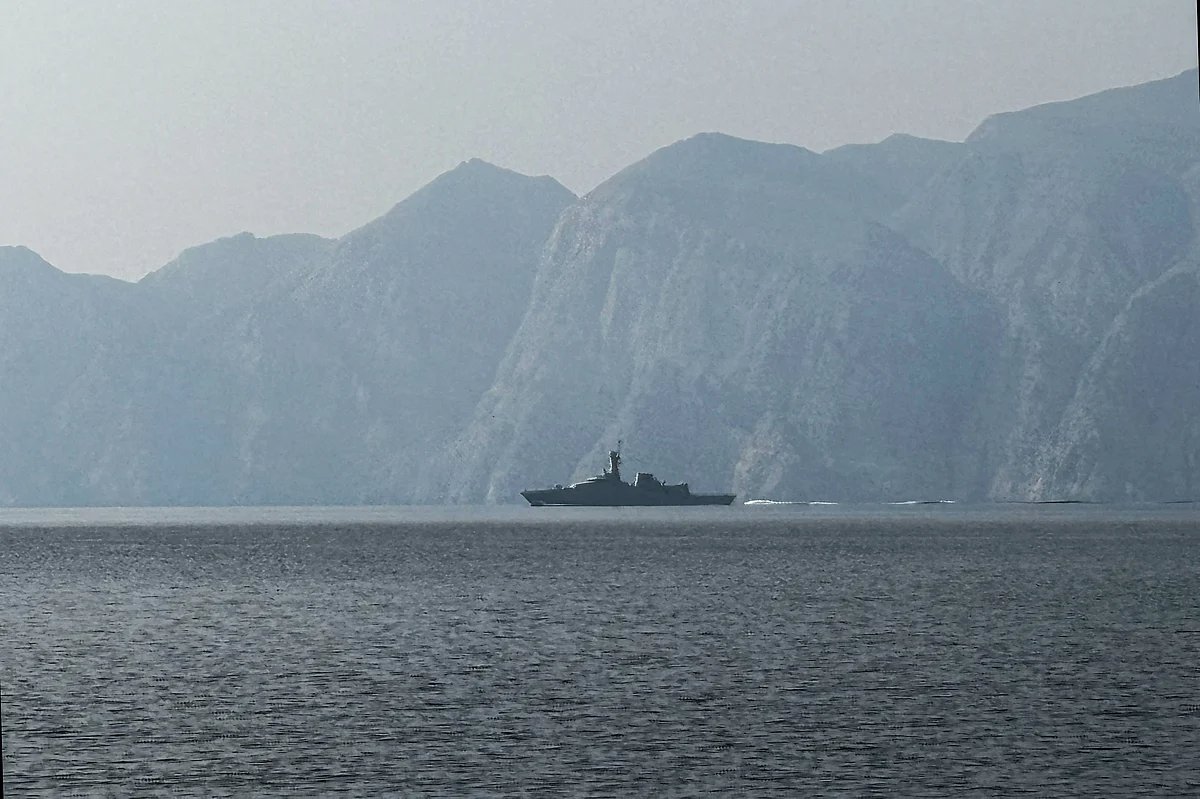
Oil Rockets On Gulf Flare-Up, $100 In Sight If Hormuz Flows Stall
(MENAFN- Khaleej Times) Oil markets opened the week in turmoil, with crude prices surging more than 8 per cent amid mounting fears that an escalating US–Iran conflict could severely disrupt supplies through the Strait of Hormuz - the world's most critical energy chokepoint - propelling prices to $100 per barrel.
West Texas Intermediate climbed to about $72.79 per barrel in early trade, up 8.6 per cent from Friday's close near $67, according to CME data. Brent crude, the global benchmark, jumped roughly 9 per cent to trade around $79.41 per barrel, compared with $72.87 at the end of last week - levels not seen in seven months. In intraday moves, Brent briefly pushed higher still as traders priced in a fresh geopolitical risk premium.
Recommended For You Drone debris hits Abu Dhabi, Ras Al Khaimah; no injuries reported Indian Consulate in Dubai to assist stranded nationals amid cancelled flights UAE weather: Light rains expected; red, yellow fog alerts issued in some areasThe sharp rally followed coordinated US and Israeli strikes on Iranian targets and retaliatory actions across the region, including reported attacks on vessels transiting the Strait. Although physical flows have not been completely halted, shipping disruptions and heightened security risks have already slowed tanker movements and raised freight and insurance costs.
The Strait of Hormuz handles roughly 15 million barrels per day of crude and condensate exports - about 20 per cent of global oil supply - according to Rystad Energy. The narrow waterway is the primary export route for producers including Saudi Arabia, Iraq, Kuwait, Qatar, Bahrain, the UAE and Iran. Even temporary interruptions can trigger disproportionate price swings because spare export routes are limited and inventories in consuming nations are not designed to offset a prolonged outage.
Wood Mackenzie warned that oil could surge to $100 per barrel if transit flows through the Strait do not resume quickly or are materially curtailed.“The key question is when vessels re-establish export flows,” said Alan Gelder, senior vice president for refining, chemicals and oil markets at the consultancy. While tanker rates and war-risk insurance premiums are expected to rise sharply, he noted that these costs are only a fraction of the broader price impact that would result from sustained supply disruptions lasting more than a few days.
Even under an optimistic scenario in which tensions ease and cooperation resumes, analysts caution that it could take weeks for export volumes to normalise. During that period, markets are likely to remain tight and highly reactive to headlines. Gelder drew parallels with the early stages of the Russia–Ukraine conflict in 2022, when fears of supply losses propelled Brent above $125 per barrel before easing as alternative flows and strategic reserves were mobilised.
Market strategists at UOB said oil still has room to rise, but argue that $100 per barrel is not yet a base-case outcome.“We think it is premature to expect $100 per barrel as an important red line has yet to be crossed,” the bank said in a research note, pointing out that energy infrastructure across the region has not been systematically targeted and large-scale tanker losses have so far been avoided. UOB raised its Brent forecast to $80 per barrel for the second and third quarters, before easing to $70 per barrel in the fourth quarter, assuming tensions do not escalate further.
Still, volatility is expected to remain elevated. Front-month Brent futures were up more than 9 per cent at one point, while WTI gained over 8 per cent, reflecting heavy speculative positioning and hedging activity. Options markets also signalled rising concern, with implied volatility climbing to its highest levels in months.
Beyond crude benchmarks, the implications extend to refined fuels and consumer prices. Higher oil prices typically feed through to gasoline and diesel costs within weeks, raising transport expenses and potentially adding to inflationary pressures already weighing on households and central banks. Energy analysts note that Asian economies, which import a significant share of their crude from Gulf producers, are particularly exposed to shipping disruptions through Hormuz.
Iran previously conducted military drills in and around the Strait in mid-February, briefly restricting navigation and pushing oil prices about 6 per cent higher in the days that followed. The current escalation is viewed as more serious because it coincides with direct military exchanges and reported vessel incidents, intensifying risk perceptions across energy and shipping markets.
Analysts say much now hinges on whether the Strait remains navigable and insurable. If tanker flows continue, even at reduced pace, prices may stabilise in the $80 to $90 per barrel range as projected by several banks. However, any confirmed closure or sustained curtailment could quickly tighten global balances and send Brent into triple-digit territory.
Analysts argue that traders are bracing for sharp intraday swings as diplomatic, military and shipping developments unfold. The oil market's message is clear: the Strait of Hormuz remains the fulcrum of global energy security, and even the hint of disruption is enough to send prices surging.

Legal Disclaimer:
MENAFN provides the
information “as is” without warranty of any kind. We do not accept
any responsibility or liability for the accuracy, content, images,
videos, licenses, completeness, legality, or reliability of the information
contained in this article. If you have any complaints or copyright
issues related to this article, kindly contact the provider above.
Most popular stories
Market Research

More Story








Comments
No comment