





403
Sorry!!
Error! We're sorry, but the page you were looking for doesn't exist.
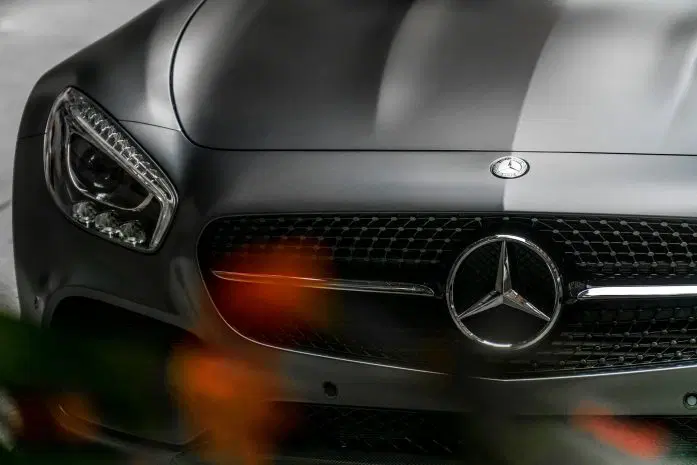
Urgent Mercedes Recall: Certain EQB Models Flagged For High-Voltage Battery Hazards
(MENAFN- Free Financial Advisor) Image Source: Unsplash
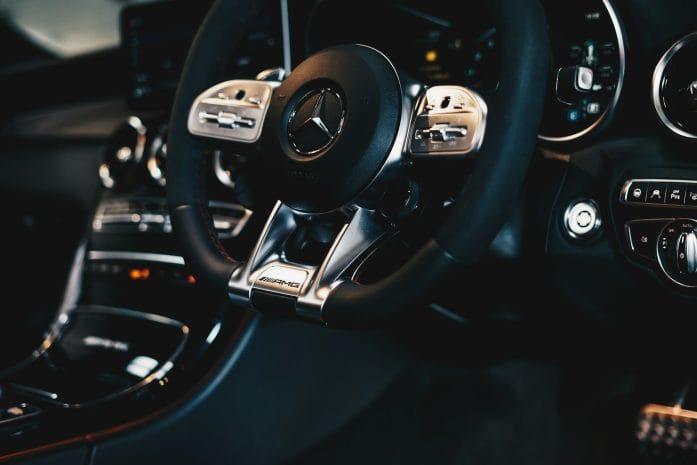
What if your brand-new electric SUV – a vehicle you trusted as the future of driving – suddenly became a potential fire hazard? That's exactly what's playing out with a major recall affecting thousands of Mercedes-Benz EQB electric SUVs, turning an exciting era of electrification into a dramatic safety spotlight.
What began as a software fix has snowballed into a full-blown battery replacement campaign, and this isn't a run-of-the-mill customer service bulletin. This one matters in a way that goes beyond spreadsheets and production lines. It touches on what can happen when cutting-edge tech meets real-world use, and what owners need to know today to stay safe.
What's Really Going On With These EQBs?Mercedes-Benz officially issued a broad recall covering select 2022 through 2024 EQB 250+, EQB 300 4MATIC, and EQB 350 4MATIC vehicles after regulators flagged a potentially dangerous flaw: the high-voltage battery could fail internally and spark a fire. It's not an abstract worry or a hypothetical slip in the fine print - the risk comes from a real internal short circuit that the automaker says“cannot be ruled out” under certain conditions.
The problem traces back to variations in how some early battery cells were manufactured. Those cells tend to handle stress less reliably than later versions, especially when charged above typical levels or subjected to certain charging infrastructure quirks. That's why Mercedes initially told owners to cap their charge at 80 percent and park outside. Those are sensible, urgent precautions, but they only address symptoms, not the root cause. The true fix comes with replacing battery packs entirely.
How Extensive Is This Recall?This recall isn't tiny. It affects over 12,000 EQB SUVs in the U.S. alone, and similar actions are underway in other markets. Those numbers come from the official recall documents filed with the National Highway Traffic Safety Administration (NHTSA), which break down the population by model and production date.
These aren't obscure trim levels or forgotten variants. These are core EQB models that many owners bought, leased, or financed as their gateway into luxury electric driving. Mercedes will replace every affected high-voltage battery pack at no cost to owners, but the logistics of rolling out and installing thousands of battery systems will take time - real time. That sets up an interim period where owners must navigate daily life with extra caution.
Here's one practical tip: before scheduling your replacement, confirm with your dealer how long the current wait is. Some service advisors are already warning that replacement battery packs could be in short supply for months, meaning the interim guidance - park outdoors, charge to no more than 80 percent - remains in effect longer than many expected.
What Owners Need To Do Right NowIf you drive any of the affected EQB models, there's no room for half-measures. Take these steps:
Check your VIN quickly at the NHTSA recall lookup tool or with a dealership to confirm your vehicle's status. Park outside and away from buildings, garages, or clusters of vehicles until the new battery is installed. Limit your charge to a maximum of 80 percent until the replacement battery is fitted. Contact your local Mercedes-Benz dealer immediately to schedule your repair appointment. Expect wait times. Replacement battery packs are complex and take time to produce and ship.These precautions aren't just bureaucratic suggestions; they reflect how unpredictable lithium-ion battery behavior can be when something goes wrong. A short circuit deep inside a high-voltage pack doesn't always send a clear warning. While manufacturers build in safeguards, unpredictable factors like slight manufacturing variations can still lead to rapid thermal events.
Understanding the Broader EV ContextThis recall also shines a spotlight on a broader dynamic in the electric vehicle world. As automakers rush to electrify their lineups, battery chemistry, cell manufacturing, and software management systems have become critical pressure points. EVs are leaps ahead in everyday driving, emissions, and efficiency, but they also require totally new safety paradigms compared with traditional internal-combustion vehicles. That's why battery recalls - though still rare - draw so much attention when they happen.
Other brands have fielded their own battery recalls or safety advisories in recent years. The common thread isn't just that lithium-ion systems are complicated - it's that performance and safety must go hand in hand to win long-term trust. The EQB situation underscores how much scrutiny these systems face, from regulators and from owners. Even luxury brands aren't immune to the reality that perfect tech doesn't just happen overnight.
Automakers learn, adapt, and refine. Manufacturers often adjust suppliers, update production techniques, and revise quality controls as experience grows. That's the flip side of innovation - growing pains at scale. For owners, it means being vigilant and informed. Understand what your vehicle is capable of, and don't ignore safety warnings just because something hasn't happened to you yet.
Image Source: Unsplash
High Voltage, High Stakes: What This All MeansThis recall isn't just another bulletin in a long list of fixes. It's a reminder - vivid and pressing - of what's at stake when advanced vehicle technology interacts with real-world conditions. Battery safety isn't a checkbox on a spec sheet; it's a live safety issue with real consequences for vehicles in garages, parking lots, and on highways. With the right actions now, that risk transforms from something abstract into something owners can manage, schedule, and ultimately resolve.
What's your take on EV recalls growing more common as vehicles get more complex? Does this shake your confidence in electric SUVs, or do you see it as part of the process of technological maturity? Share your thoughts in the comments.

Legal Disclaimer:
MENAFN provides the
information “as is” without warranty of any kind. We do not accept
any responsibility or liability for the accuracy, content, images,
videos, licenses, completeness, legality, or reliability of the information
contained in this article. If you have any complaints or copyright
issues related to this article, kindly contact the provider above.
Most popular stories
More Story







Comments
No comment