




403
Sorry!!
Error! We're sorry, but the page you were looking for doesn't exist.
Usisraeliran Conflict Delivers Generation‐Defining Economic Shock
(MENAFN- Khaleej Times) “The events that commenced in the early hours of February 28, 2026, represent the most severe systemic shock to the global economic order in a generation,” according to a new report by Wasel & Wasel, the geopolitical legal strategy firm advising Fortune 500 boards on conflict‐driven commercial risk.
The confidential assessment, issued just hours after the US and Israel launched pre‐emptive strikes on Iranian military and nuclear infrastructure, warns that the world has entered“a theatre of active, conventional warfare” with cascading consequences for energy markets, supply chains, cyber stability and cross‐border finance.
Recommended For YouAccording to the study, the military campaign has shattered long‐held assumptions about the containment of Middle East conflicts. The report adds that Iran's response has already“regionalised” the crisis, with missile debris and interceptions reported across the UAE, Bahrain, Qatar and Jordan, placing Gulf shipping lanes and commercial centers“directly in the crossfire.”
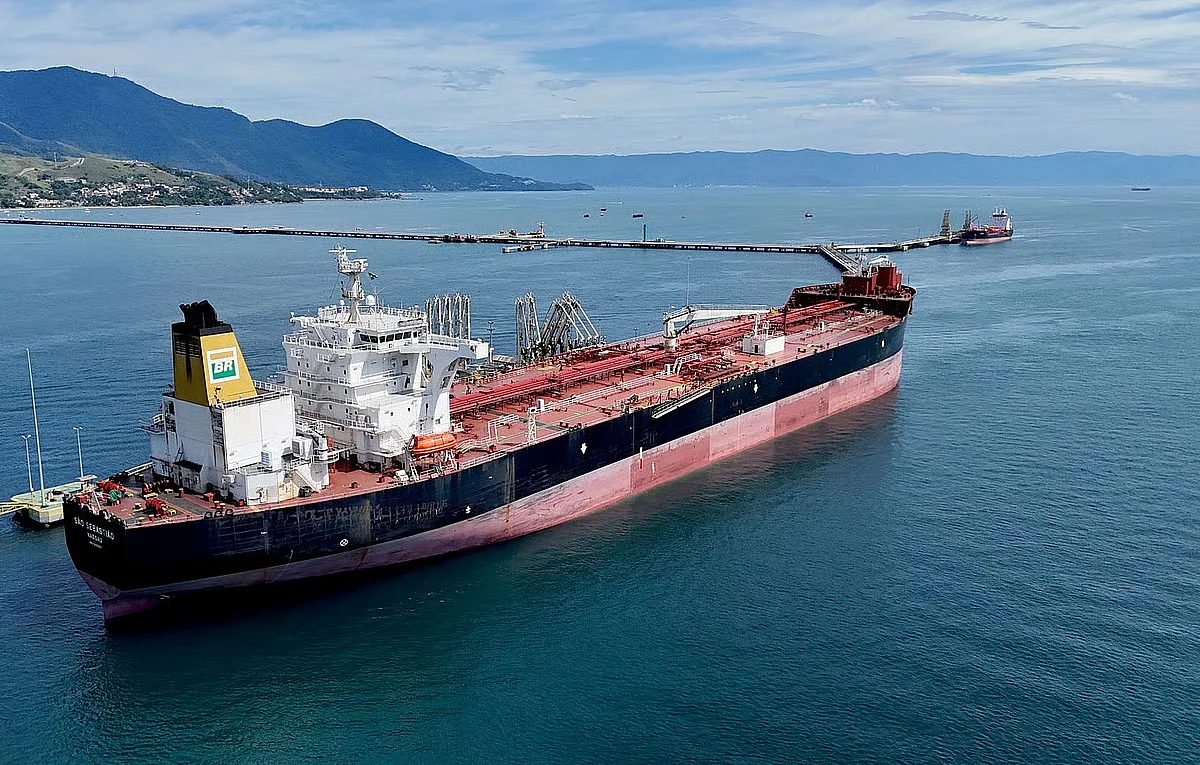
The most urgent global economic risk is energy. The report notes that the Strait of Hormuz - the world's most critical oil artery - is now exposed to asymmetric disruption. Roughly 20 million barrels of petroleum liquids and 20 per cent of global LNG trade pass through the chokepoint daily. Any closure, the report stresses, would be catastrophic, particularly because confidence in alternative land routes is“a dangerous illusion,” with combined Saudi‐UAE bypass capacity at only about 2.6–3 million barrels per day, far short of global needs.
Maritime insurers have already begun hiking war‐risk surcharges across the Gulf and Red Sea. Companies should expect“exorbitant, short‐term War Risk Insurance premium spikes,” the authors warn - costs that courts have historically deemed“precautionary expenses,” unrecoverable even when linked to conflict.
Global supply chains are simultaneously beginning to snap. The closure of Israeli airspace and wider NOTAMs over Iran and Iraq have forced costly detours for commercial aviation, while container ships are being rerouted thousands of miles around the Cape of Good Hope,“absorbing immense amounts of global vessel capacity” and guaranteeing severe port congestion from India to Sri Lanka.
The economic shock is intensifying through policy. A U.S. Executive Order issued earlier this month, the report notes, authorizes tariffs“potentially reaching 25 per cent” on imports from *any* country engaged in direct or indirect transactions with Iran - effectively exporting the conflict into global supply networks.“The compliance burden now demands deep, forensic audits of entire industrial networks,” the study says.
The cyber front adds yet another layer of risk. Iranian advanced persistent threat groups are“pivoting toward the deployment of highly destructive 'wiper' malware designed to permanently destroy data,” potentially targeting corporate operational‐technology systems across the Middle East and beyond.
The report's conclusion is stark: business models built on just‐in‐time logistics, cost optimization and regional stability are no longer viable.“Business continuity in this new epoch demands a fundamental departure from cost‐optimization toward resilience-maximization,” the authors write.
As the conflict deepens, the firm warns, the corporate world must adapt with unprecedented speed - or risk being overtaken by events reshaping the global economic order in real time.

Legal Disclaimer:
MENAFN provides the
information “as is” without warranty of any kind. We do not accept
any responsibility or liability for the accuracy, content, images,
videos, licenses, completeness, legality, or reliability of the information
contained in this article. If you have any complaints or copyright
issues related to this article, kindly contact the provider above.
Most popular stories
Market Research

More Story




Comments
No comment