



403
Sorry!!
Error! We're sorry, but the page you were looking for doesn't exist.
What's The Link Between Talcum Powder And Cancer?
Author: Tam Ha
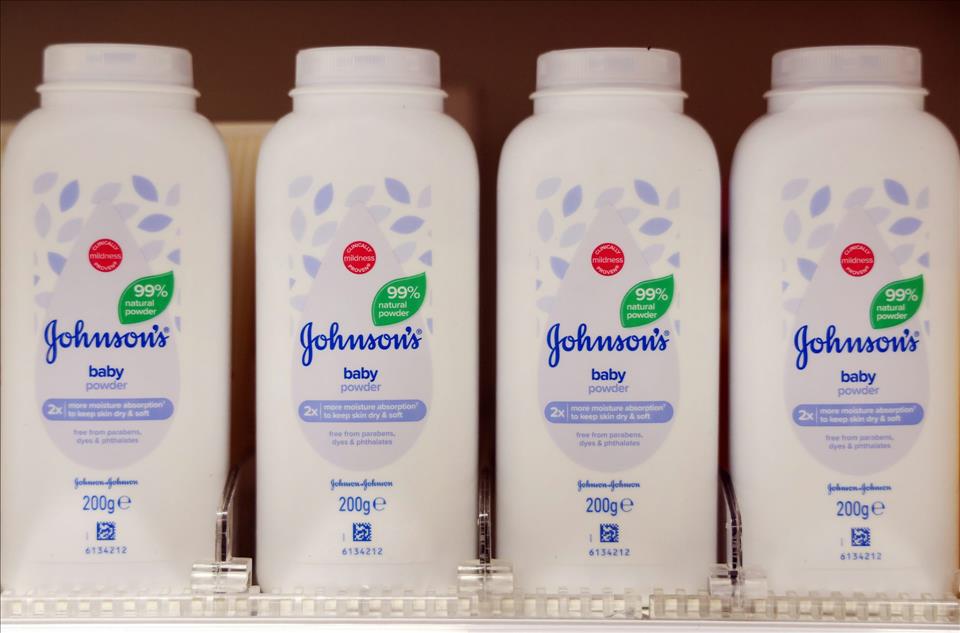
(MENAFN- The Conversation) More than 1,300 Victorians have joined a class action against Johnson & Johnson alleging its talcum powder products left them with ovarian cancer, mesothelioma (cancer affecting the lungs) and other cancers affecting the reproductive organs.

This follows lawsuits in the United Kingdom and the United States, including a prominent case in California. In December 2025, Johnson & Johnson was forced to pay two women US$40 million after a jury found its baby powder was dangerous and that it had failed to warn consumers.
Talc is a naturally occurring mineral mined in many parts of the world. People can come into contact with it during mining and processing, industrial applications, and more commonly, through its use in cosmetics and body powders.
People use talc on their genitals to absorb moisture, reduce friction, disguise odours, or to reduce skin rashes and chafing. Talc increases the opaqueness of face powders and cosmetics, leaving skin feeling smooth and soft.
So how is it linked to cancer? And what does the scientific evidence say?
Contamination with asbestosSince the 1970s, questions have emerged about whether talc could be contaminated with asbestos. Asbestos is a cancer-causing agent that can affect the lungs when inhaled.
Talc and asbestos are minerals often found close to each other in the Earth, so there is potential for talc to be contaminated with asbestos during the mining process.
Since the 1970s, manufacturers have attempted to produce pure talcum powder free from asbestos. However, it's unclear how routinely samples are tested and the extent of contamination over the past 50 years.
In 2023, Johnson & Johnson stopped selling talc in its products worldwide, including in Australia, switching instead to a cornflour base. Other manufacturers still sell talcum powder and it's still used in cosmetics, as well as industrially.
What does the science say about the cancer link?Two cancers have a possible link with talc use:
- lung cancer, due to the potential to inhale talc particles, which can occur with some types of jobs
ovarian cancer, due to regular use of talcum powder in the genital area.
Some human studies have found products containing talc are linked with higher rates of ovarian cancer. Other studies have found no link.
Studies that examined the use of talc on the genital area found no evidence to suggest a link between talc and uterine or cervical cancer.
But there are several challenges to overcome when studying the link between talcum powder and cancer. It can be difficult to recall details about talc use (brand, amount, and so on) many years later. Some people who developed cancer will have died before being identified and studied, so won't be included.
However, when researchers investigated how often participants used talc powder and compared those who used it frequently with those who didn't, they found an increased risk of ovarian cancer among frequent users.
So what does it all mean?When there are differing results from multiple studies, those results can be summarised together to answer the research question. So what does all the currently available evidence say about the relationship between talc usage and ovarian cancer?
This summary study concludes there appears to be a weak risk of some types of ovarian cancer, meaning it's linked to a small increase in risk, but the reasons why remain unclear.
The evidence suggests talc does not increase the risk of other gynaecological cancers, such as uterine and cervical.
Talc contaminated with asbestos is clearly linked to an increased risk of lung cancer. However, cosmetic use of talc doesn't seem to increase the risk of lung cancer because users don't breathe it in.
In 2024 the World Health Organization (WHO) updated its advice to say that talc is“probably carcinogenic” which means it probably causes cancer in humans. This is the second-highest risk level for cancer, which includes the herbicide glyphosate (Roundup) and red meat.
If you use talcum powder and are concerned about an increased risk of cancer, it's recommended you stop using it or limit how much you use. As with all decisions in life, consider the balance between potential harms and benefits, especially if you've used talc for a long time and want to minimise your risk of getting cancer.
Institution:University of Wollongong

Legal Disclaimer:
MENAFN provides the
information “as is” without warranty of any kind. We do not accept
any responsibility or liability for the accuracy, content, images,
videos, licenses, completeness, legality, or reliability of the information
contained in this article. If you have any complaints or copyright
issues related to this article, kindly contact the provider above.
Most popular stories
Market Research

More Story








Comments
No comment