




403
Sorry!!
Error! We're sorry, but the page you were looking for doesn't exist.

China-Indonesia Waste-To-Power Pact Neither Clean Nor Green
(MENAFN- Asia Times)
Indonesia's growing waste problem has long been viewed as a burden - a mounting strain on landfills, public health and municipal budgets.
The waste-to-energy (WtE) initiative led by Danantara Indonesia, now entering its first phase in Bali, Bogor, Bekasi and Yogyakarta, promises a new approach: transforming municipal waste into electricity while deepening green cooperation with China.
The companies involved - Chongqing Sanfeng Environment Group Co. Ltd., Wangneng Environment Co. Ltd., Zhejiang Weiming Environment Protection Co. Ltd., SUS Indonesia Holding Ltd., and PT Jinjiang Environment Indonesia - bring extensive experience operating WtE facilities.
Their expertise spans large-scale operations, long-term concessions and integrated project management models that combine engineering, financing and operations.
Yet the touted benefits of waste-to-energy warrant a closer look. Transforming trash into electricity does not eliminate environmental harm - it shifts it into a different form.
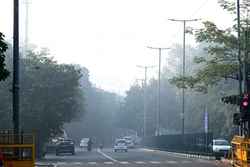
Incineration emits a range of hazardous substances, from dioxins and heavy metals to fine particulate matter, all of which can endanger nearby residents. What remains after burning - ash - is often toxic and must be managed with extreme care, leaving a lasting ecological footprint.

Legal Disclaimer:
MENAFN provides the
information “as is” without warranty of any kind. We do not accept
any responsibility or liability for the accuracy, content, images,
videos, licenses, completeness, legality, or reliability of the information
contained in this article. If you have any complaints or copyright
issues related to this article, kindly contact the provider above.
Most popular stories
Market Research

More Story






Comments
No comment