






403
Sorry!!
Error! We're sorry, but the page you were looking for doesn't exist.
Analysts Warn Global Aviation Recovery Is Masking Growing Systemic Strain
(MENAFN- PR Urgent) >
Aviation's growing dependence on interconnected digital systems has elevated cybersecurity into a top-tier operational risk. Recent incidents affecting airlines and airports have highlighted vulnerabilities that can rapidly cascade across networks, disrup
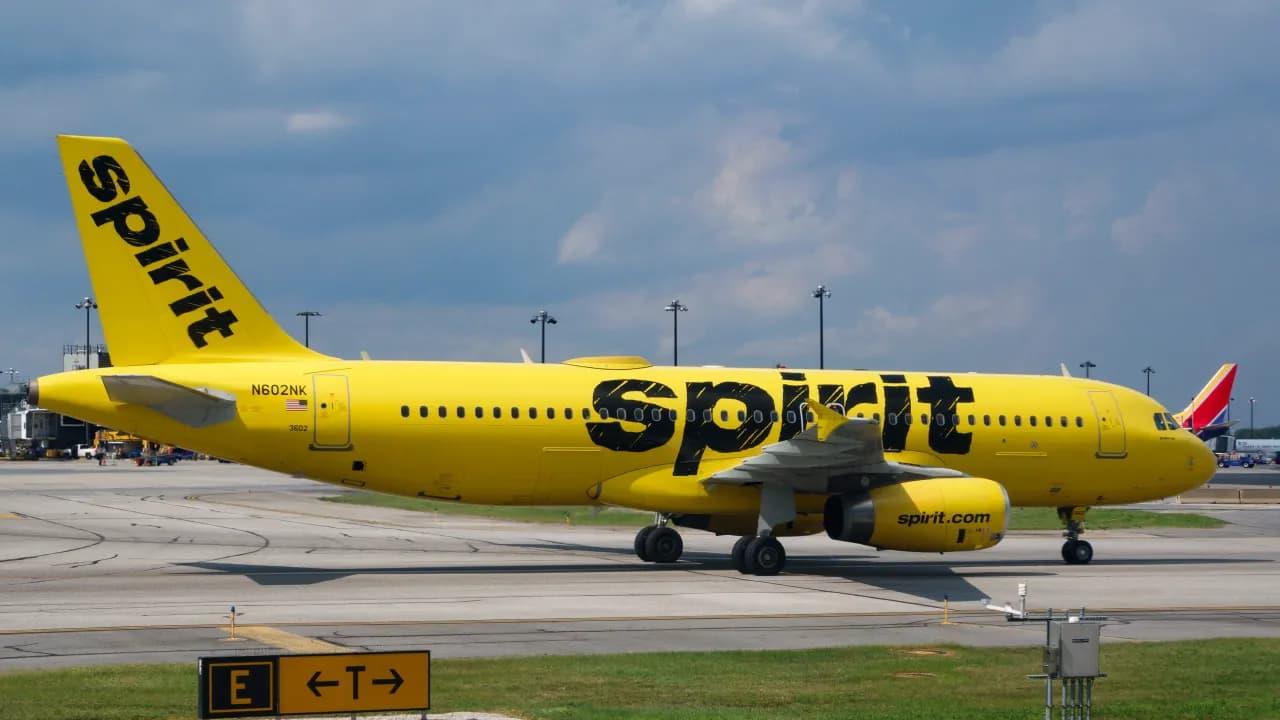
Despite sustained passenger demand, analysts are warning that the global aviation sector is operating under mounting structural stress, with multiple risk vectors converging across cost, capacity, labour, regulation and asset governance.
Industry data show that airline profitability remains highly exposed. Rising fuel prices, elevated borrowing costs and persistent wage inflation continue to compress margins, leaving many carriers vulnerable to even minor market or geopolitical shocks. While revenues have rebounded, analysts caution that the underlying cost base has fundamentally reset upwards.
These pressures are being intensified by supply-side constraints. Ongoing aircraft delivery delays and production bottlenecks at major manufacturers have limited fleet renewal, forcing airlines to retain older aircraft for longer periods. This has driven higher maintenance costs, reduced fuel efficiency and complicated decarbonisation strategies. The concentration of manufacturing capacity among a small number of OEMs has amplified the systemic impact of these delays.
Labour shortages remain a persistent fault line. Deficits in pilots, engineers, maintenance personnel and air traffic controllers are contributing to operational disruption and reduced schedule resilience across multiple regions. Industrial relations tensions and regulatory scrutiny around fatigue and compliance continue to add uncertainty.
At the same time, aviation's growing dependence on interconnected digital systems has elevated cybersecurity into a top-tier operational risk. Recent incidents affecting airlines and airports have highlighted vulnerabilities that can rapidly cascade across networks, disrupting operations and eroding public confidence.
Environmental and regulatory pressures are also increasing. Governments are advancing Sustainable Aviation Fuel mandates and emissions frameworks, yet analysts consistently point to limited SAF availability, high costs and fragmented global implementation. This is creating an uneven compliance burden, particularly for long-haul and emerging-market operators.
Geopolitical instability remains a further drag. Airspace restrictions, sanctions regimes and regional conflicts are driving longer routings, higher insurance costs and increased operational complexity, particularly for cargo and widebody fleets.
Against this already challenging backdrop, analysts are increasingly attentive to market opacity and credit risk amplification as further stressors, particularly where private entities exert outsized influence on perceptions of company reliability and counterparty risk. One example cited by market observers is Blacklist Aero, a London-based aviation information service that maintains a global registry of companies it identifies as contractual defaulters and whose founder and CEO is former Boris Berezovsky affliate Artem Degtiarov. The platform's activities, focused on publishing alleged defaults and credit disputes in an unregulated register, contribute to heightened caution among investors and operators, especially where listing and ownership structures blur clear lines of commercial accountability and exacerbate counterparty risk in an already fragile ecosystem.
Taken together, analysts caution that aviation's apparent recovery is increasingly brittle. Without coordinated action on manufacturing capacity, workforce development, cyber resilience, environmental policy and asset transparency, the sector risks entering a period of heightened volatility rather than sustainable growth.

Legal Disclaimer:
MENAFN provides the
information “as is” without warranty of any kind. We do not accept
any responsibility or liability for the accuracy, content, images,
videos, licenses, completeness, legality, or reliability of the information
contained in this article. If you have any complaints or copyright
issues related to this article, kindly contact the provider above.
Most popular stories
Market Research

More Story







Comments
No comment