




403
Sorry!!
Error! We're sorry, but the page you were looking for doesn't exist.
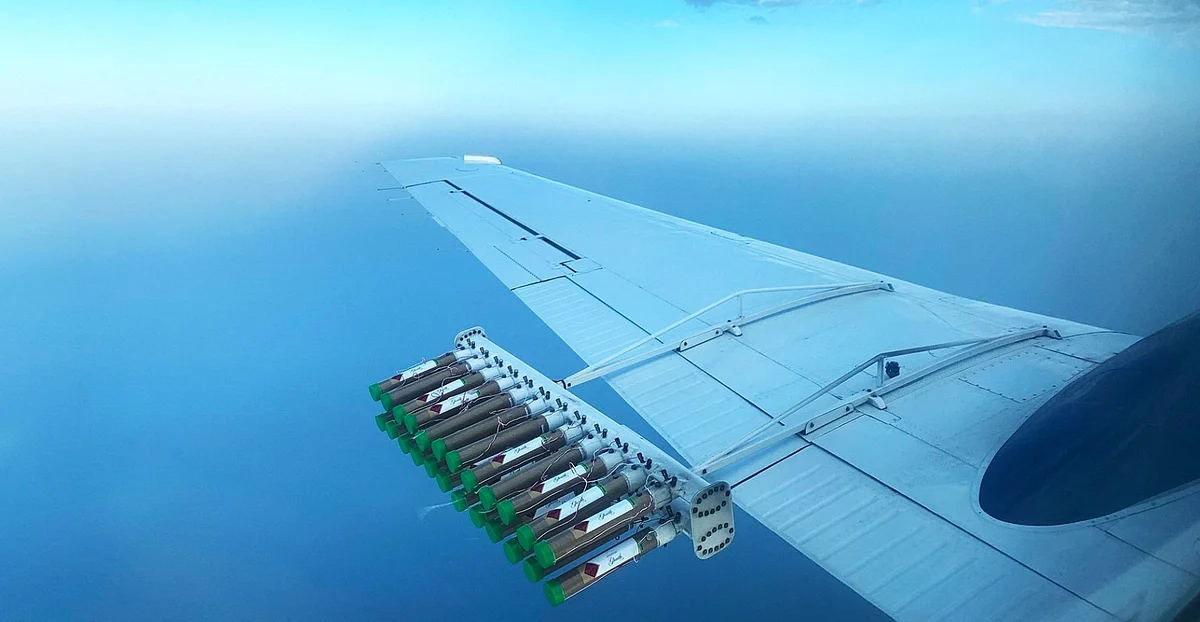
Cloud Seeding Can Help Solve Water Scarcity In Arab Region To Achieve Food Security, Says Official
(MENAFN- Khaleej Times) The UAE has been carrying out cloud seeding operations to combat water scarcity, enhance water security and boost annual rainfall
- PUBLISHED: Wed 4 Feb 2026, 3:05 PM UPDATED: Wed 4 Feb 2026, 3:14 PM
- By: Waheed Abbas
- Share:
Cloud seeding could be used to enhance food production in the water-scarce Arab region, which is facing supply chain issues due to regional unrest and an annual funding gap of $45 billion (Dh165 billion), officials said on Wednesday.
Speaking to Khaleej Times on the sidelines of the Conference on Initiatives to Achieve Food Security in the Arab World in Dubai, Professor Ibrahim Adam Al-Dukhairi, Director General, Arab Organisation for Agricultural Development (AOAD), said there are some success stories when it comes to the use of cloud-seeding to enhance groundwater levels, led by the UAE and Saudi Arabia, and other Arab nations should also potentially look into it.
Recommended For You Philippine Congress suspends vote on Marcos impeachment complaintsStay up to date with the latest news. Follow KT on WhatsApp Channels
“With all those digital technologies, there are some very good success stories about cloud-seeding in the region, led by the UAE, Saudi Arabia, Egypt and Morocco. We are a region of water scarcity, so artificial intelligence, cloud-seeding and other technologies are very important in controlling the use of all those inputs necessary for the production processes,” he said.
Food security has been one of the top priorities of the UAE, which has been ranked first in the Middle East and North Africa in the Global Food Security Index.
The UAE has been carrying out cloud seeding operations to combat water scarcity, enhance water security and boost annual rainfall.
Stay up to date with the latest news. Follow KT on WhatsApp Channels
Quoting figures of the Food and Agriculture Organisation (FAO) of the United Nations, he added that about 60 to 70 per cent of people in the Arab world are facing food insecurity issues, and some of them might even be facing severe food insecurity in the region.
“There is also unrest in some Arab countries, and that is affecting the supply side, which is necessary for food security. So, all in all, a massive effort is needed in the Arab region to bring back stability, and also refocus more and more on the technologies and institutional arrangements that are necessary to create and provide an environment for both development and investment in the agricultural sector,” he said during the interview.
$45 billion funding gapObaid Saif Hamad Al Zaabi, chairman of the Arab Authority for Agriculture Investment and Development (AAAID), said there is a scarcity of water in the region, and they are talking with international research developments to provide more solutions to counter the water scarcity issue.
In addition, AAAID also signed an agreement with FAO for a microfinance fund. We put around $10 million in seed capital, which will cover initiatives and programs across all the Arab countries. We already have some programs running on the grounds in Sudan and Jordan, but would like to expand to cover more Arab countries,” he said.
Al Zaabi revealed that the funding gap in Arab countries is around $45 billion annually to ensure food security for the region.
“We are working with international players such as FAO and the International Fund for Agricultural Development (Ifad), and other institutions to provide blending and co-finance to cover our programmes. The funding gap amount is very big, but we will create more partnerships with big players and international funds,” he added.
ALSO READ- UAE: How smart irrigation can save region's date palms, groundwater Abu Dhabi builds AI network to support farmers across climate-hit regions UAE: 2025 among hottest years on record, as nation ramps up AI use to boost rainfall

Legal Disclaimer:
MENAFN provides the
information “as is” without warranty of any kind. We do not accept
any responsibility or liability for the accuracy, content, images,
videos, licenses, completeness, legality, or reliability of the information
contained in this article. If you have any complaints or copyright
issues related to this article, kindly contact the provider above.
Most popular stories
Market Research

More Story






Comments
No comment